



How long a water heater lasts in Colorado

Send the form and the search for an installer is over.

Step 1 of 3: Equipment

How long does a water heater last in Colorado?

You want to know if your water heater is near the end or good for a few more winters, so you can plan ahead instead of getting caught with a cold shower and a scramble to find someone. In Colorado, the water coming into the tank matters more than most people realize, and so does what kind of heater you have.

8 to 12 years, often less if your water is hard

Most gas water heaters in Colorado last 8 to 12 years. The tank itself is what fails first, usually from the inside, as mineral buildup from hard water wears through the steel. A lot of Colorado's water is hard, so sediment collects faster at the bottom of the tank, and that shortens the life of the heating element and the tank wall both. If yours came with the house, check the age on the data plate rather than guess. Once it passes 10 years, a slow leak or a pilot light that won't stay lit usually means it's done rather than something to patch. Planning around that range, instead of waiting for it to fail in January, gives you the time to choose rather than scramble.

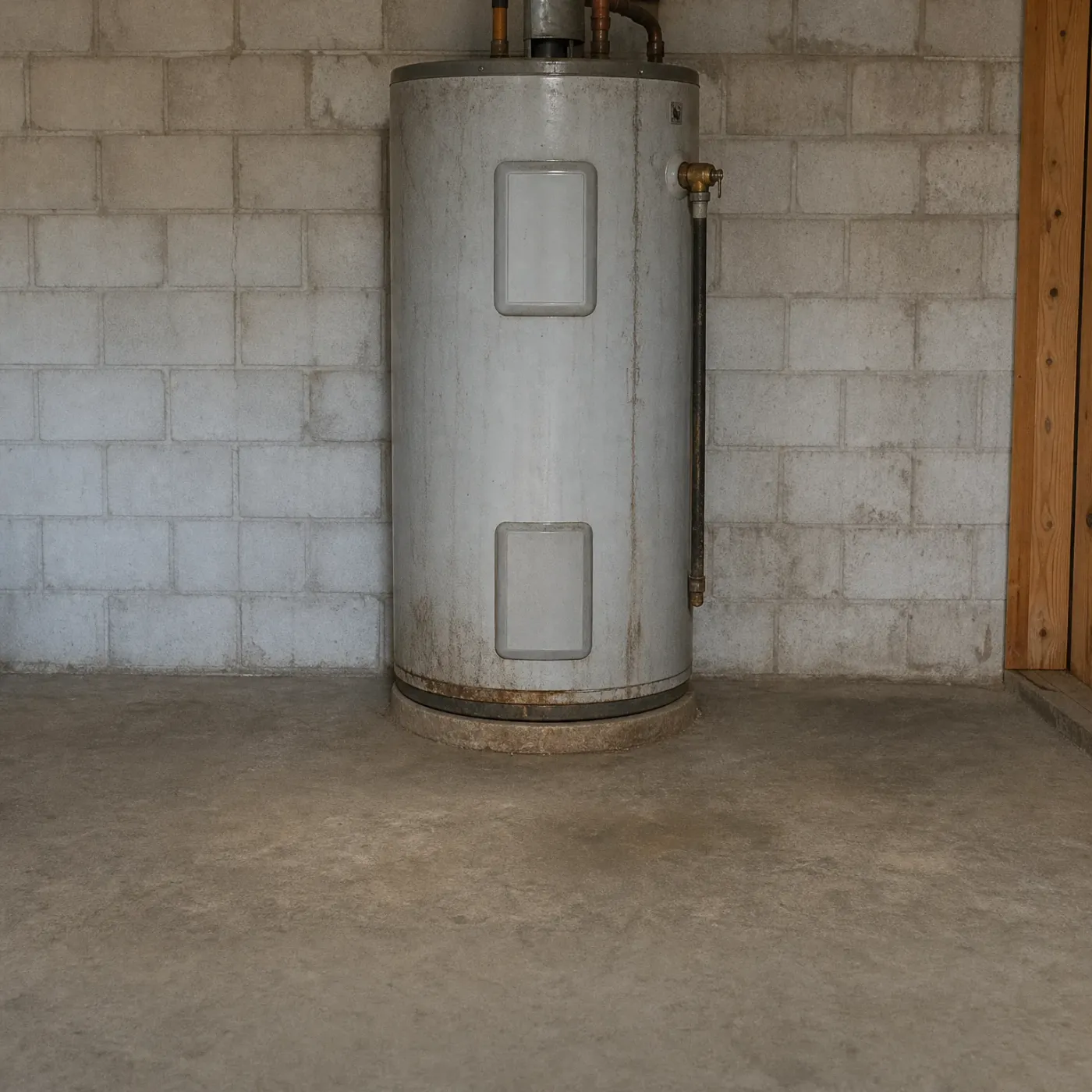
A gray cylindrical water heater standing in a concrete-walled basement corner, with copper and white pipes and a metal flue running up to the ceiling, next to exposed wood framing on the left.
Clean connections and a dry tank mean this heater still has winters left in it.
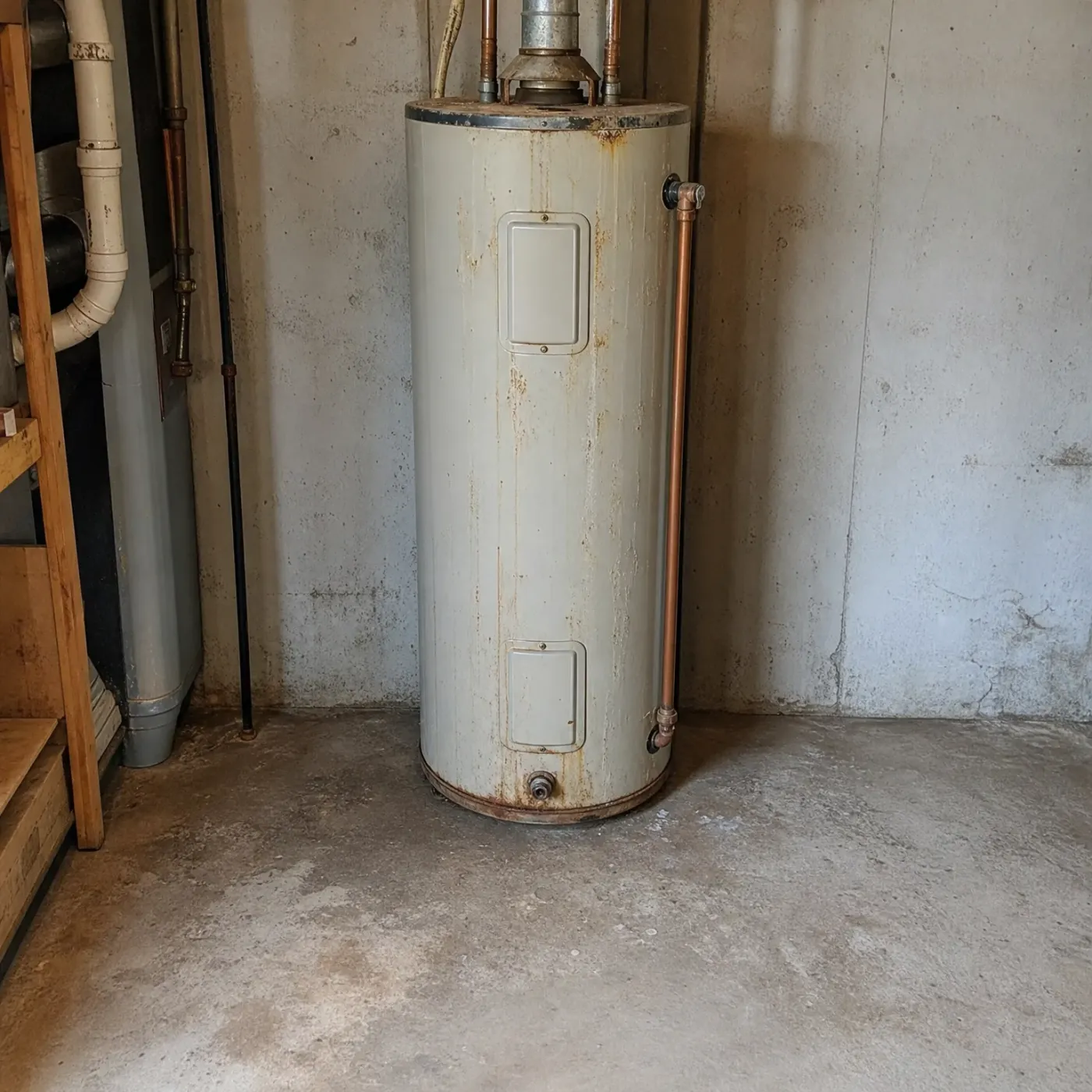
A rusted cream-colored water heater with copper piping and a flue stands in the corner of a concrete-walled basement next to wooden shelving and ductwork.
Rust creeping across the tank and fittings means it could fail before the next one.

What's Happening Inside the Tank

  • Sediment settles to the bottom of the tank first and insulates the burner from the water above it.
  • The burner then runs longer to heat the same amount of water, so it works harder for the same result.
  • That extra heat stresses the steel tank and the glass lining that protects it from rust.
  • Once the lining cracks, the steel underneath is exposed and starts to corrode from the inside out.
  • The anode rod is supposed to corrode first and take that damage instead of the tank, but it wears out.
  • A tank that's been quietly building sediment for years can fail without much warning once the lining finally gives way.

A gas water heater fails from the inside, and the process starts years before you notice anything. Colorado's water carries minerals that settle out as sediment, and that sediment collects at the bottom of the tank, right over the burner. Instead of the burner heating water directly, it's heating through a layer of grit first. So it runs longer each time, and runs hotter, to get the same result it used to get faster. That extra heat is hard on the tank itself. Inside the steel is a thin glass lining, and its job is keeping the steel from ever touching water directly. Years of extra heat and sediment buildup stress that lining until it cracks. Once it cracks, bare steel is exposed, and rust starts working on it from the inside where you can't see it. There's a backup for this built into every tank, the anode rod, a length of metal that's meant to corrode before the tank does. It works, but it's consumed in the process, and once it's spent, the tank has no more protection. None of this shows up on the outside. A tank can look fine, sit quietly in a closet or utility room for years building sediment, and then fail once the lining finally gives out, often without warning and sometimes all at once.

A man in a gray sweater reclines in a brown leather armchair with his eyes closed, beside a wooden side table holding a mug, a folded newspaper and a potted plant, with a bookshelf and sunlit window behind him.
A man with greying hair and a dark sweater leans back on an armchair with his eyes closed and a slight smile, in a living room with a bookshelf, plant, folded newspaper and mug on a wooden table.
A man in a gray fleece jacket sits reclined in a leather chair with his eyes closed, in a room with bookshelves, a table lamp, a window, and a desk holding a folded newspaper and a dark mug.
A bearded man in a gray fleece pullover sits with eyes closed in a brown leather armchair in a living room, with a floor lamp, bookshelf, potted plants, a side table holding newspapers and a dark mug, and a bright window behind him.

Stop chasing a water heater pro

A water heater that's starting to go doesn't usually give you much warning. One day it's fine, the next it's leaking onto the floor of the closet or the garage, and you're checking Colorado showers are cold while you figure out who to call. Gas water heaters are common here, and a local contractor who installs them all year knows the brands that hold up against our water and the ones that tend to need a new tank sooner than the label suggests. Getting a straight answer about your specific unit, its age and its condition, is worth more than guessing from a chart. Once you send the request, it goes to one licensed contractor working near you, someone who's seen plenty of tanks fail in plenty of Colorado basements and knows what to check first. You stop carrying the problem alone.

Gas heaters work harder here

Colorado water comes from mountain snowmelt and runoff, and it runs harder than water in a lot of other states. That mineral content turns into scale inside the tank faster than it does elsewhere, and scale builds fastest right at the burner, where a gas water heater applies its heat. A gas tank in Denver or Colorado Springs is heating through that buildup for most of its life, not just the last year or two. That is part of why a gas water heater here tends to show wear on the tank itself before anything else fails, and why checking the tank for rust matters more than checking the burner.

Altitude changes how gas burns

Most of Colorado sits well above sea level, and a gas burner draws combustion air that is thinner up here than at sea level. Manufacturers account for this with altitude-rated orifices and venting built for the elevation, but it means a water heater installed for a home at 1,000 feet does not perform the same way once it is running at 5,000 or 6,000 feet. A unit installed correctly for your elevation burns cleaner and lasts closer to its expected life. One installed with the wrong parts for the altitude can run inefficiently for years before anyone traces a problem back to that mismatch.

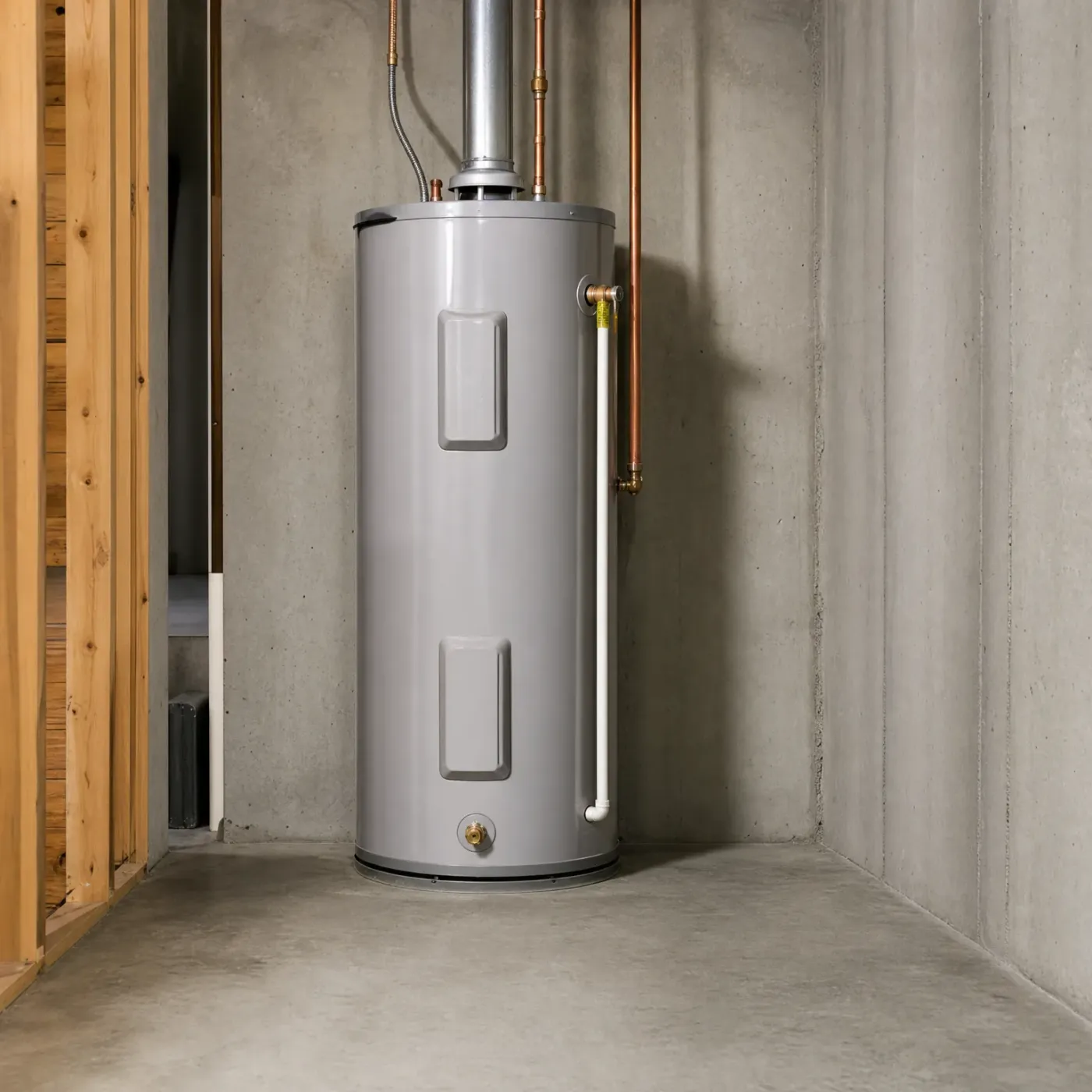
A cylindrical water heater with two access panels and copper pipes stands on a concrete floor against a painted concrete block wall.
Before you get your water heater installation
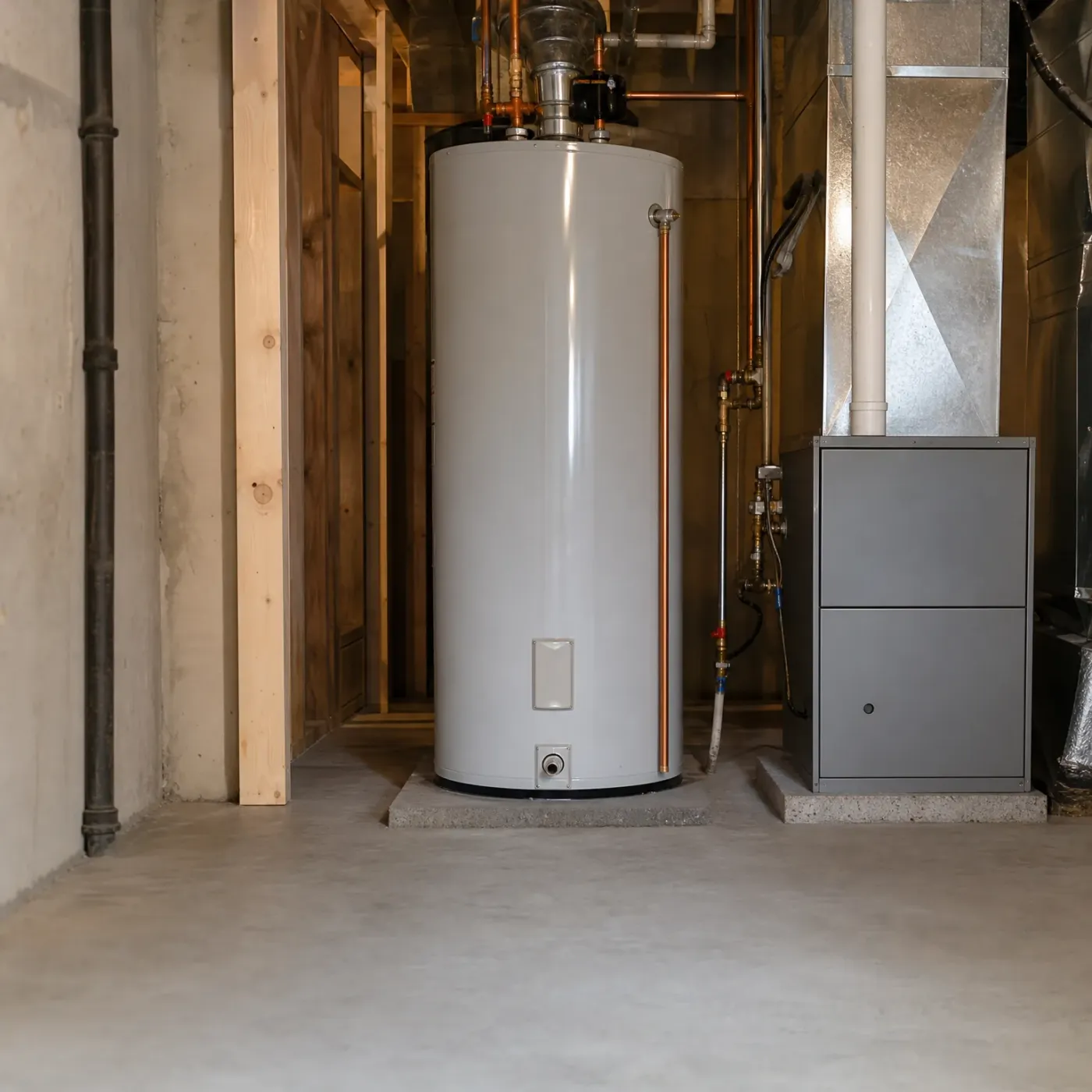
A white cylindrical water heater on a concrete pad in a basement, with copper and metal piping above it and a gray furnace cabinet with ductwork to the right.
After you get your water heater installation

What a failing tank costs you

A tank that gives out doesn't ease into it. You go from hot showers to a puddle under the heater, and in Colorado that puddle is usually on a garage floor or a closet that isn't built to handle water. Carpet, drywall, whatever's stored nearby, all of it can take damage before you notice. Add in the hassle of draining and hauling out a dead tank, and a planned swap starts looking a lot easier than an emergency one.


What waiting another winter risks

Push past the point your tank is telling you about and you're betting on timing. A tank that's rusting at the fittings or running longer than it used to isn't going to pick a convenient week to quit. Cold mornings in January are a bad time to find out, and a house full of people waiting on hot water doesn't wait well. Replacing it on your own schedule, before it forces the issue, means you pick the day instead of the tank picking it for you.

A gray-haired man with a beard in a blue button-placket shirt reclines on a couch with his eyes closed, beside a sunlit window with a green plant.
A woman in a cream knit sweater sits in an armchair with her eyes closed near a window showing yellow autumn foliage, with a mug on a round wooden side table beside her.
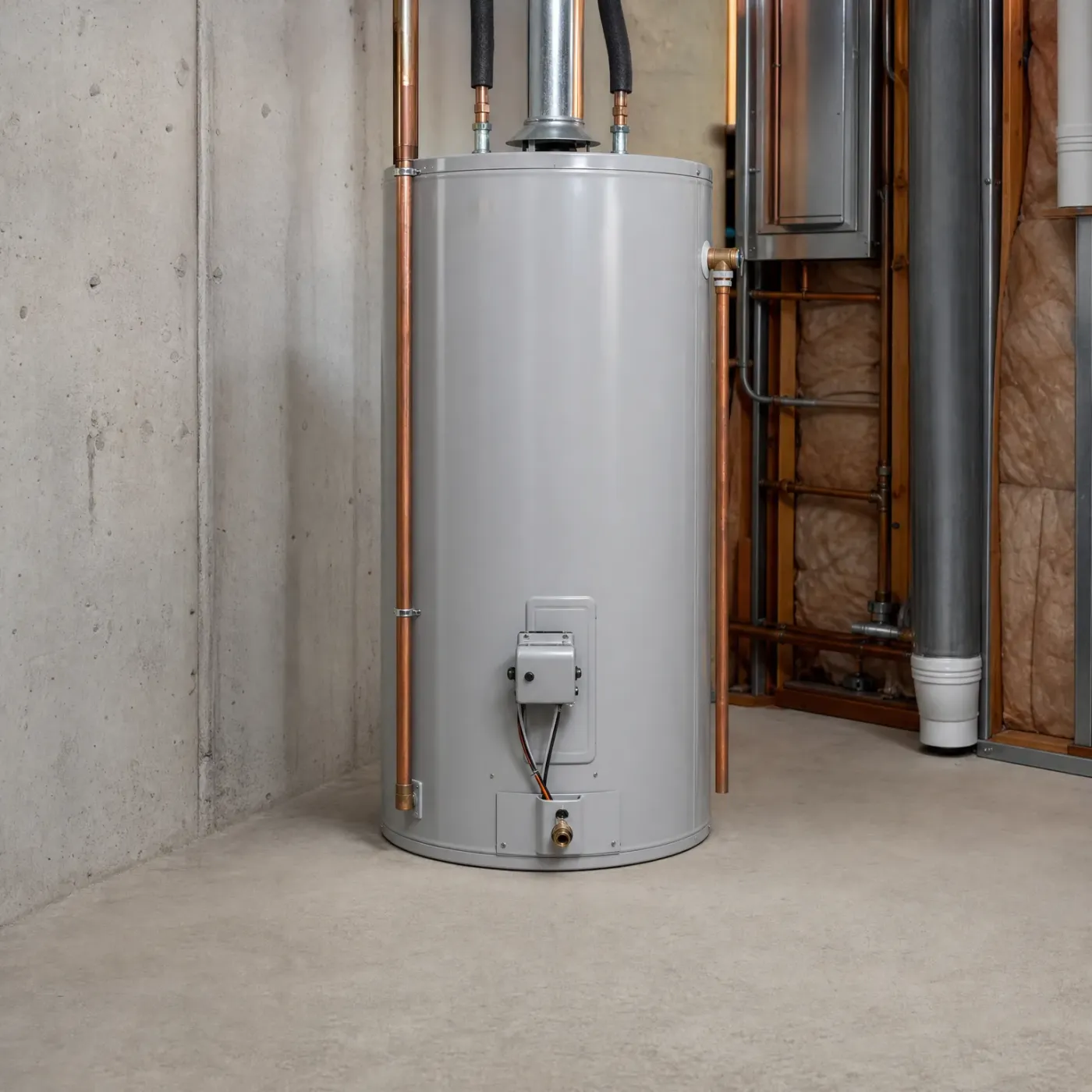
A gray cylindrical water heater stands in a basement corner against a concrete wall, with copper pipes, insulated flex lines, a metal flue, and insulated wall framing with ductwork to the right.

Still doing its job

Copper lines run clean into the top, the flue draws straight up, and the floor underneath is dry. A water heater that looks like this is still sealed tight. Whatever winters it has left, it's earning them.

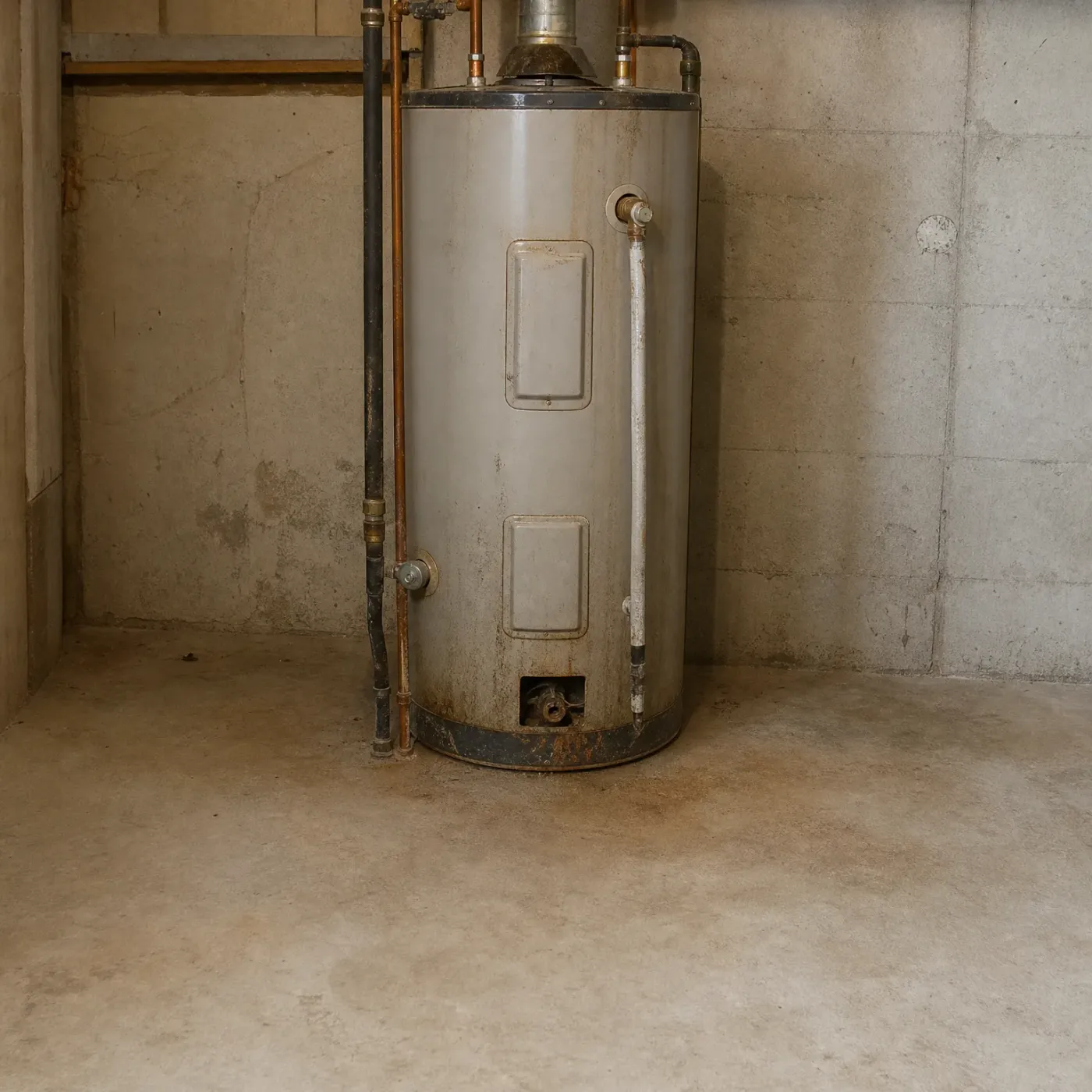
A rusting gas water heater with copper and steel pipes stands against a concrete block wall on a bare concrete floor.

Running out of time

Rust like this starts at a weld seam or a fitting and spreads down the tank as the steel underneath gives way. Once it reaches the base, the tank is close to opening up on its own, and it won't wait for a convenient week to do it.

66.4% of homes statewide heat with gas

Most houses in Colorado run a gas water heater, since gas heats two out of three homes here. A gas tank has a burner and flue the electric kind doesn't, and those parts are what give out first. Know which one sits in your closet or garage before you guess how much life is left in it.

ACS 2020-2024 5-year B25040

A gas water heater in Colorado gives out somewhere around the ten to twelve year mark, sooner if the tank has been running scaled up for years. Check the fittings, check the floor underneath, and you'll have a better sense than any number can give you. If the signs say it's close, you don't have to spend an afternoon calling around and comparing bids. The request goes to one licensed plumber working in your area, someone who's pulled failed tanks out of Colorado closets and garages before and knows what the water here does to a burner and a tank over the years. You'll hear from that one contractor, not a handful of them competing for the job. You've got the answer now. What you do with it is the only part left.

A curving paver walkway runs alongside a house with beige lap siding and a white-trimmed window, bordered by low shrubs, grassy plants, and trees in sunlight.
A dark-framed casement window with divided upper panes set in a stucco wall beside a stone-clad section, with hydrangeas, hostas and trimmed shrubs in a mulched bed above a lawn.
White horizontal lap siding wall with a single six-pane double-hung window, above a mulched bed of hydrangea shrubs with browning blooms, bordered by mown grass in low sunlight.
Interior corner with tan plaster walls, a potted olive tree in a large terracotta urn beside a floor-to-ceiling window, and a wooden bench with a beige cushion on a herringbone brick floor partly covered by a woven jute rug.
A wooden bench beneath a window holds a green linen cushion and a fringed cream throw, with a woven basket stored underneath on a wood plank floor.

Send one request and you're done looking

Your request stays with one local pro.

Find a licensed pro

It costs nothing to send, and you don't have to hire anyone.