
Repair
A part failed but the tank's still sound and this is the first trouble you've had with it. A contractor fixes the part and you're done.

You've noticed something off about your water heater and you're trying to figure out if it's time to replace it or if a repair will do. Maybe the water isn't as hot as it used to be, or you saw a puddle on the floor near the tank. Before you call anyone, you want to know what to actually look for, since a new unit is a bigger decision than a quick fix.
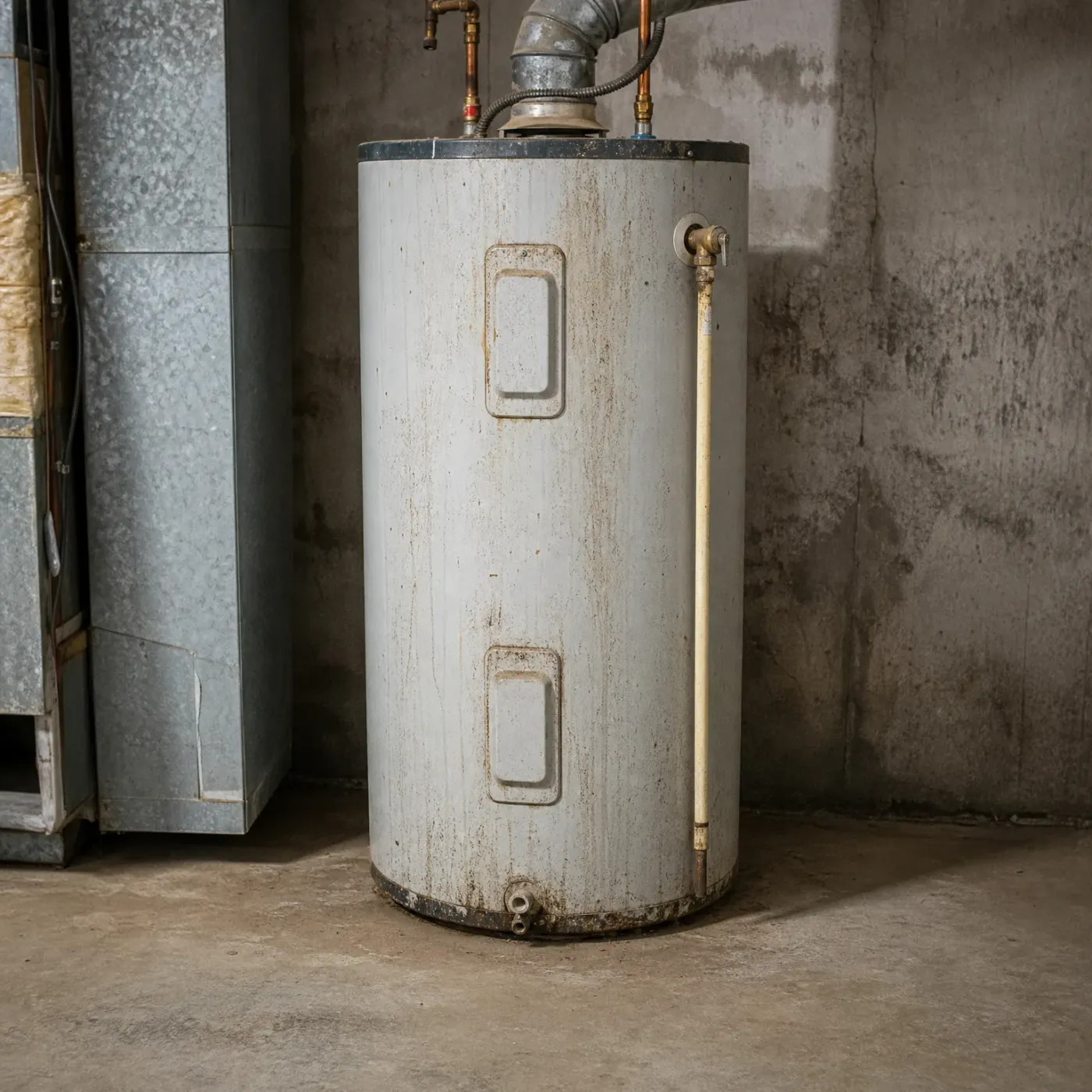
Rust-colored water, a tank making rumbling or popping noises, or water pooling around the base are the clearest signs the tank itself is failing rather than just one part. A gas water heater typically lasts 8 to 12 years, and once a tank is leaking, it's done. The inside has corroded through, and no repair fixes that. If your water heater came with the house or you've lost track of its age, check the manufacture date on the label near the top of the tank. An older unit that's also showing rust or leaks is not worth repairing. With Colorado's dry summers, sediment can build up faster in the tank, which shortens its working life further.





You go down to the utility room after dinner to grab something from the shelf and the light catches it: a thin line of rust running down the side of the tank and pooling where the floor meets the base. The air smells faintly metallic. You crouch down and touch the streak and it's damp, not just old staining. Outside, the Colorado evening has gone cool and dry the way it does once the sun drops, and the house has gone quiet except for the low tick of the tank. You stand there a minute, working out how long that's been happening and whether this is the night you stop waiting and start calling someone who can look at it in person.
One form replaces the calls you'd make to find a water heater pro.
You only hire the pro if you want to.
Rust in the water is a straightforward test. Run the hot tap into a white bowl first thing in the morning, before anyone showers or runs a load of dishes. If the water comes out rusty or brown and a cold tap in the same bathroom runs clear, the rust is coming from inside the tank, not the pipes. That's the tank lining breaking down from the inside, and there's no patch for it. A thermocouple or heating element can be swapped out. A tank that's rusting from within is a tank that's already failing, even if it's still making hot water today.
A water heater tank is glass-lined steel, and that lining is what keeps the steel from corroding in direct contact with water for years on end. Once the lining cracks, usually from age or from mineral buildup at the bottom of the tank, the steel underneath starts rusting on its own schedule, and no amount of flushing or anode rod replacement reverses it at that point. This is also why a sound tank with a bad part is worth fixing and a rusting tank usually isn't. The part failed on its own. The tank is failing because the thing protecting it is gone.


A part failed but the tank's still sound and this is the first trouble you've had with it. A contractor fixes the part and you're done.
The tank itself is leaking or rusting, or it's old enough that another part failure is just a matter of time. A new unit is the honest fix.
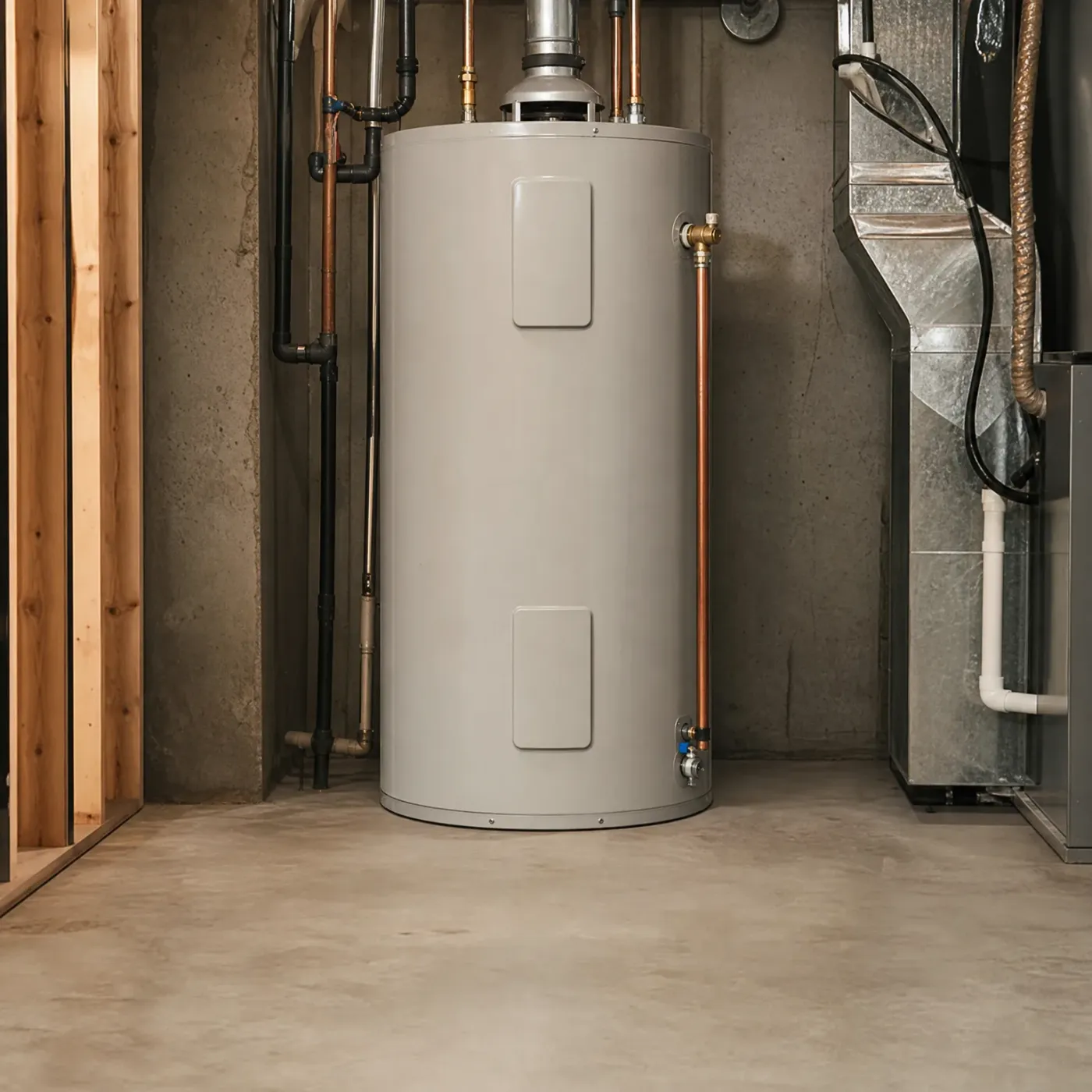
Most homes in Colorado heat water with a gas unit, not electric. That means the signs to watch are the ones gas tanks show: a pilot or igniter that won't hold, a burner chamber that rusts from underneath, or a flue that isn't drafting right. If your water heater is gas, those are the parts worth checking first.
ACS 2020-2024 5-year B25040
A water heater that's rusting, leaking, or past the years it was built to last isn't going to get better on its own. Once the tank itself is the problem, the only real fix is replacing it, and waiting usually just means finding out the hard way when it fails. If what you've seen matches that, the next step is getting someone qualified to look at it and give you a straight answer, not spending an evening calling around Colorado plumbers, explaining the rust stains and the pilot light trouble to each one, and then trying to make sense of three different quotes written three different ways. You can get matched with a contractor who takes care of water heaters like yours and have them reach out to you directly. That's one call's worth of explaining instead of five, and someone who already knows what you're dealing with before they walk in. Either way, you now know what to look for and what it means, and that's the hard part done.
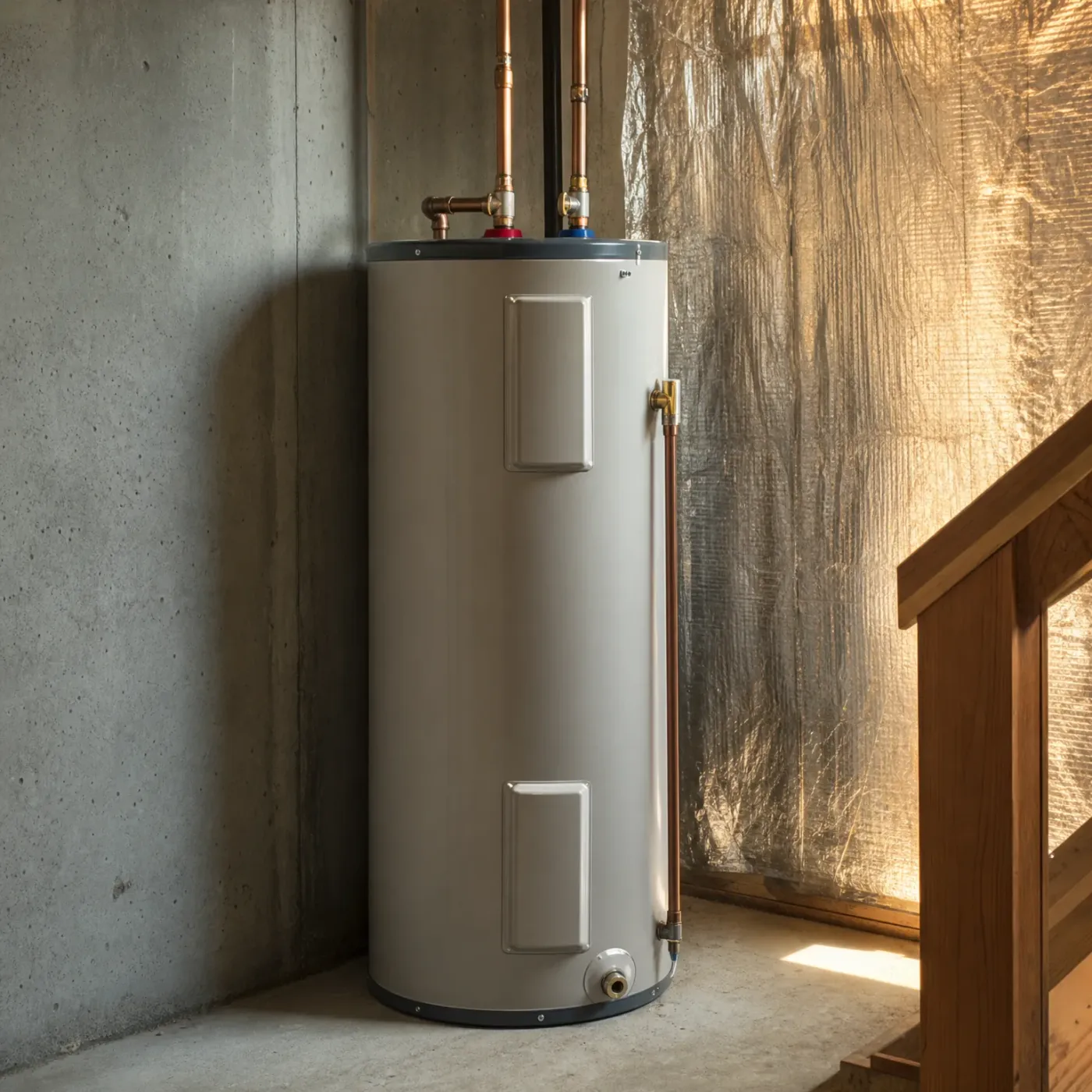
Describe the project once instead of to every installer.
No fee to send it, and nothing to sign.