Tell us about the job
Takes about a minute. No obligation.
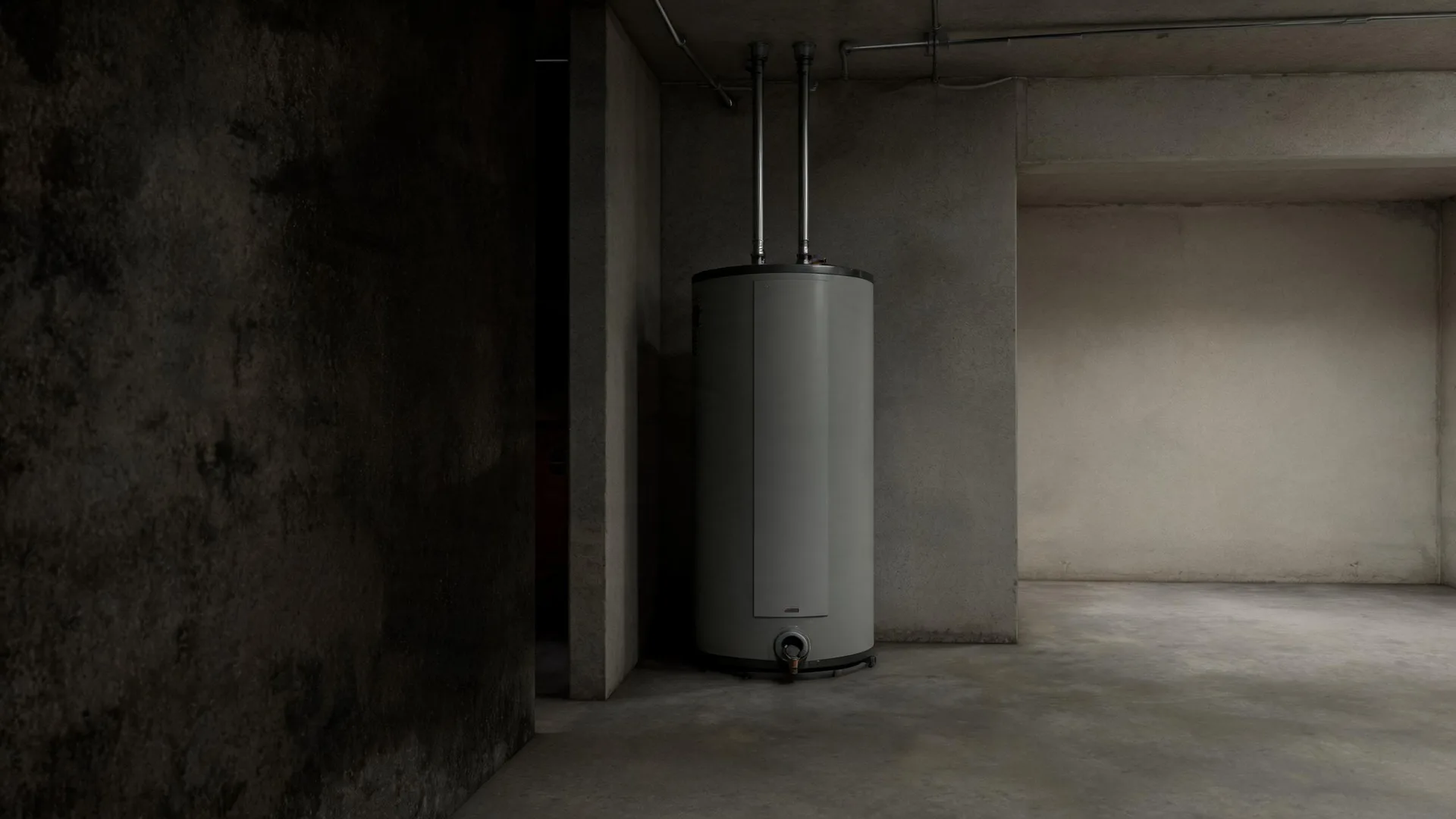
Gas-fired water heaters run on a combustion cycle, and the venting and combustion air setup that cycle depends on has to be right before a new unit goes in. Utility gas heats more occupied homes in Bent County, Colorado than any other fuel, at 65.2% (2020-2024 ACS 5-year). A contractor sizing a replacement here checks the flue, the draft, and how the existing installation handles exhaust, because a unit dropped in without that check will underperform or fail on safety. The gas supply line also gets inspected for capacity, since a higher-efficiency tank or tankless unit draws differently than whatever it replaces.
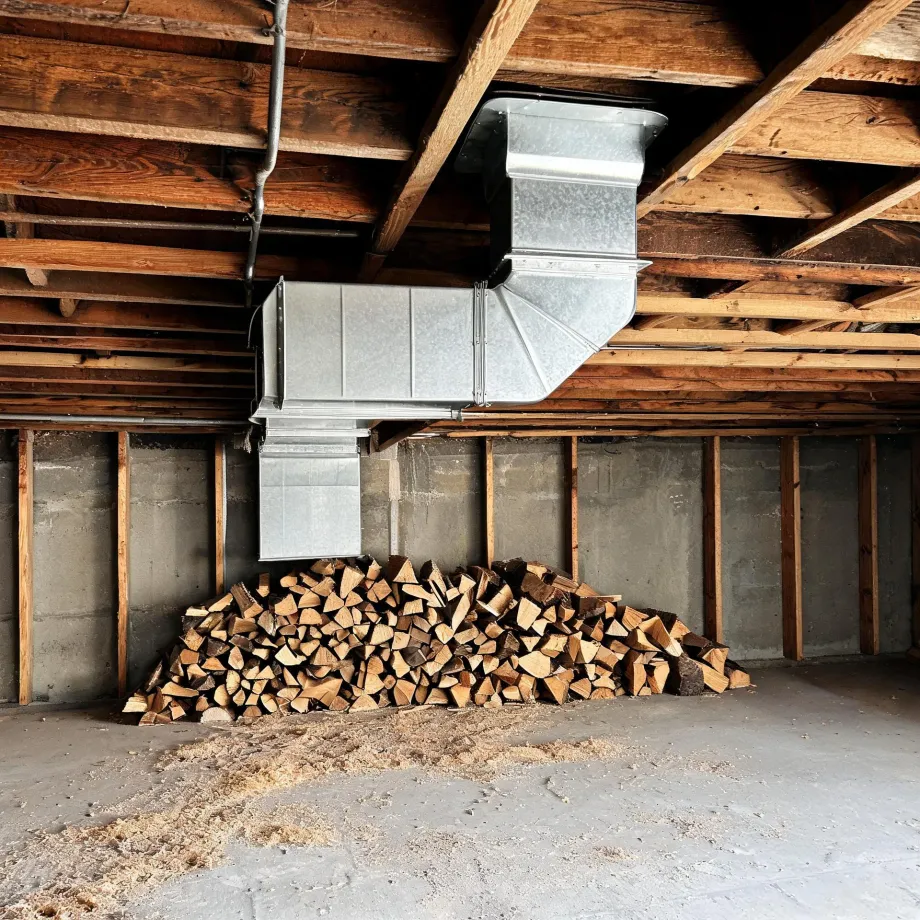
Ductwork and venting put into a house generations ago were sized and routed for whatever system that house originally ran on. Half the homes in Bent County, Colorado were built in 1959 or earlier (2020-2024 ACS 5-year). Where the original equipment has since been swapped out, the pathways it left behind shape what a contractor can connect a new water heater to, and what has to be rerouted or replaced before the job is done. A contractor pricing a water heater here is pricing the venting run as much as the unit itself.
What a Water Heater Installation Covers
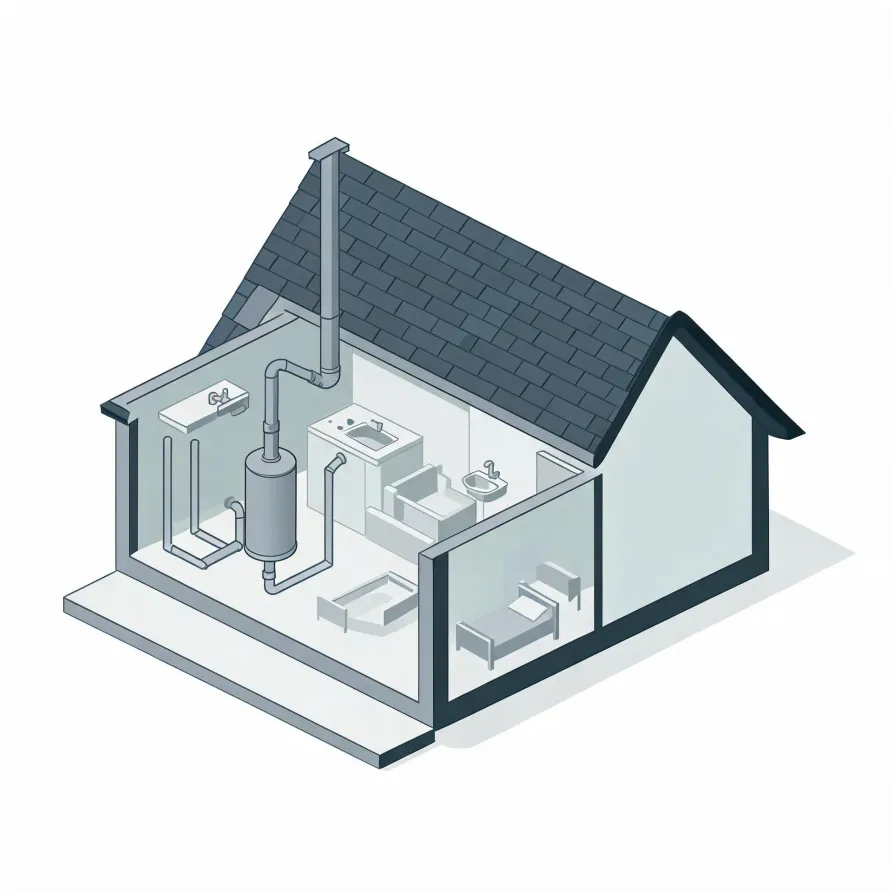
The tank or tankless unit is the centerpiece of the system, sitting in a utility room, basement, or closet, and its job is to heat and hold water until a tap calls for it. A pressure relief valve mounts directly on the unit as a safety device. The cold-water inlet and hot-water outlet connections tie the unit into the home's plumbing supply.
A dedicated gas line or electrical circuit feeds the unit depending on its fuel type, running from the home's supply to the unit's connection point. A flue or venting pipe exits the unit and routes combustion gases outside, and an expansion tank sometimes sits on the cold-water line nearby to manage pressure.
The drawing shows a general layout of these components, and a licensed contractor determines exactly what applies in your home.
Get matched in Bent CountyBent County, by the numbers
86 severe weather events were recorded in Bent County, Colorado between 2015 and 2024.
NOAA National Centers for Environmental Information, Storm Events Database, bulk CSV export, events 2015-01-01 through 2024-12-31.Half the homes in Bent County, Colorado were built in 1959 or earlier (2020-2024 ACS 5-year).
U.S. Census Bureau, 2020-2024 American Community Survey 5-Year EstimatesBent County, Colorado holds 2,174 housing units (2020-2024 ACS 5-year).
U.S. Census Bureau, 2020-2024 American Community Survey 5-Year EstimatesOwners occupy 65.2% of the occupied homes in Bent County, Colorado (2020-2024 ACS 5-year).
U.S. Census Bureau, 2020-2024 American Community Survey 5-Year EstimatesSevere Weather Events in Bent County
Local weather puts real stress on water heating equipment, from ground temperature shifts to power disruptions that force systems to work harder or fail outright. How often that pressure hits is a local fact, and it shapes what a water heater in this area needs to hold up over time.
86 severe weather events, 2015–2024. Source: NOAA National Centers for Environmental Information, Storm Events Database.