Tell us about the job
Takes about a minute. No obligation.
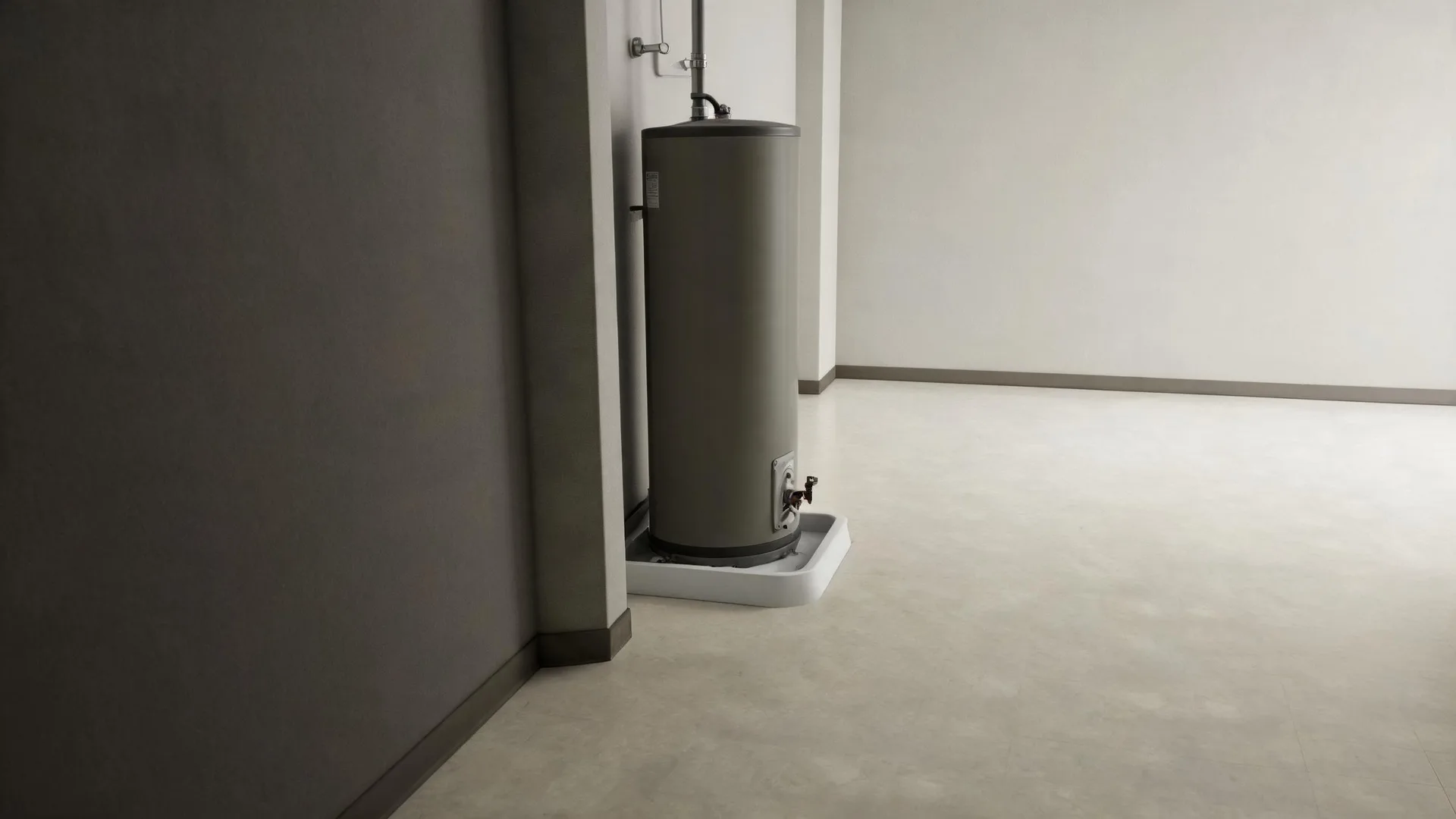
Gas venting, combustion air supply, and the flue path are the first things a contractor settles before quoting a water heater replacement here. Utility gas heats more occupied homes in Garfield County, Colorado than any other fuel, at 64.8% (2020-2024 ACS 5-year). A new unit sized and connected without accounting for that infrastructure ends up fighting its own installation: a gas appliance needs adequate draft and a clear path for combustion products, and a flue that worked for an older unit may need relining or resizing to suit a higher-efficiency replacement. The contractor has to inspect what is already in the walls before the quote means anything.
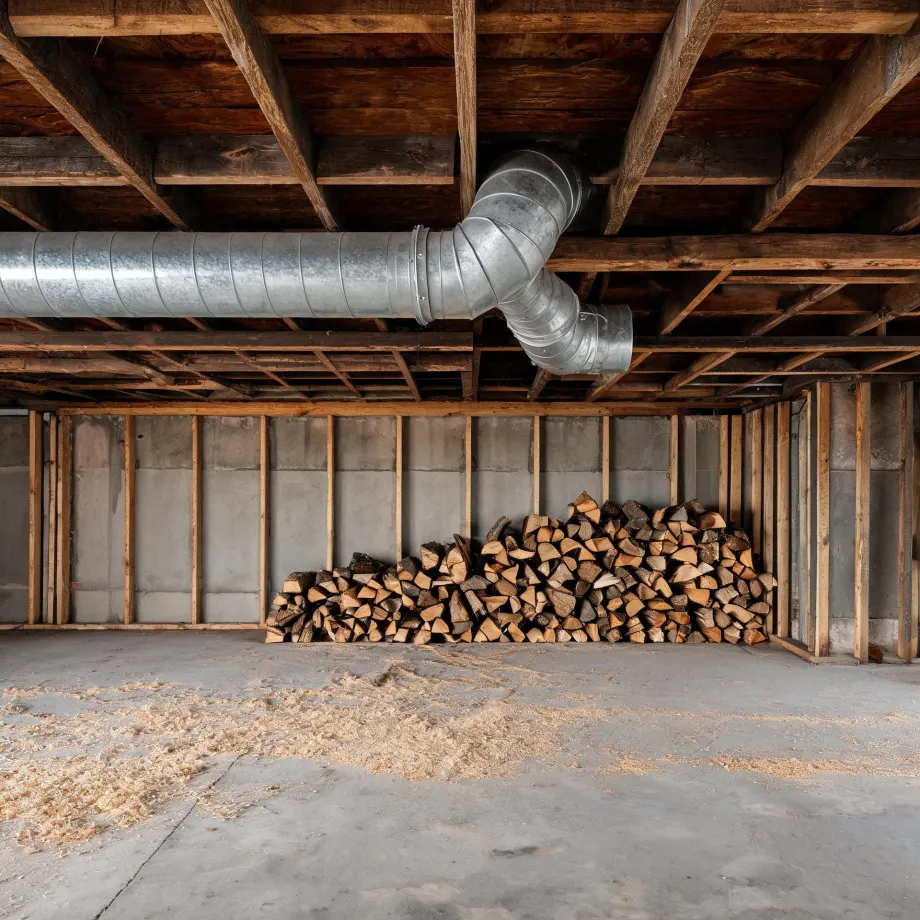
The electrical service in a house tells a contractor more about what an installation will cost than the unit itself does. Half the homes in Garfield County, Colorado were built in 1993 or earlier (2020-2024 ACS 5-year). Water heaters have changed considerably since the houses that hold them were wired, and what a panel was sized for then and what a new unit draws now are often different enough that an upgrade enters the quote. A contractor pulling the panel cover before writing a number is not being cautious; that step decides whether the job is straightforward or whether the scope expands before the heater is even on order.
What a Water Heater Installation Covers
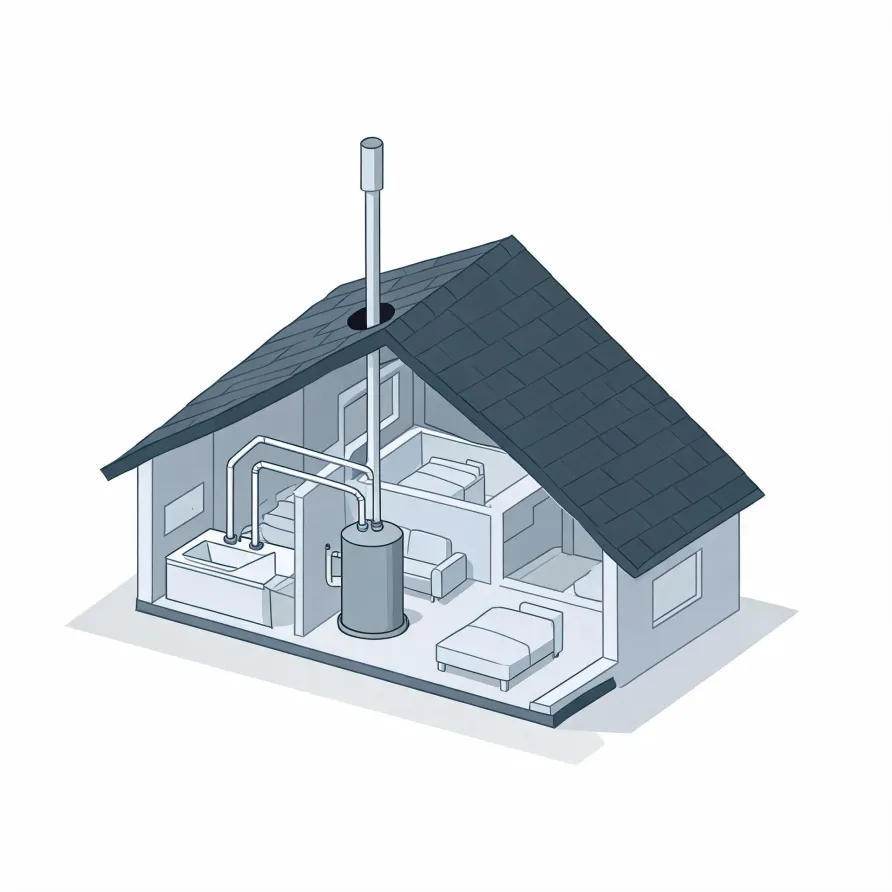
The tank or tankless unit is the center of the system. A storage tank sits in a utility closet, basement, or garage and holds a ready supply of hot water. A tankless unit mounts on a wall and heats water only as it moves through.
A pressure relief valve attaches directly to the tank and opens if pressure climbs too high. The cold supply line runs in from the home's plumbing, and the hot outlet line carries heated water out to every fixture. An expansion tank sometimes sits on the supply side to absorb pressure shifts in a closed system.
The drawing shows a typical layout, and a licensed contractor determines exactly what applies to your home and its existing plumbing.
Get matched in Garfield CountyGarfield County, by the facts
405 severe weather events were recorded in Garfield County, Colorado between 2015 and 2024.
NOAA National Centers for Environmental Information, Storm Events Database, bulk CSV export, events 2015-01-01 through 2024-12-31.Half the homes in Garfield County, Colorado were built in 1993 or earlier (2020-2024 ACS 5-year).
U.S. Census Bureau, 2020-2024 American Community Survey 5-Year EstimatesGarfield County, Colorado holds 24,953 housing units (2020-2024 ACS 5-year).
U.S. Census Bureau, 2020-2024 American Community Survey 5-Year EstimatesOwners occupy 69.6% of the occupied homes in Garfield County, Colorado (2020-2024 ACS 5-year).
U.S. Census Bureau, 2020-2024 American Community Survey 5-Year EstimatesWeather Events in Garfield County That Put Pressure on Water Heaters
Water heaters in Garfield County work against whatever the climate throws at them, and extreme weather events drive that workload up fast. How hard a unit has to work to hold temperature is a local fact, and installation choices here should reflect it.
405 severe weather events, 2015–2024. Source: NOAA National Centers for Environmental Information, Storm Events Database.