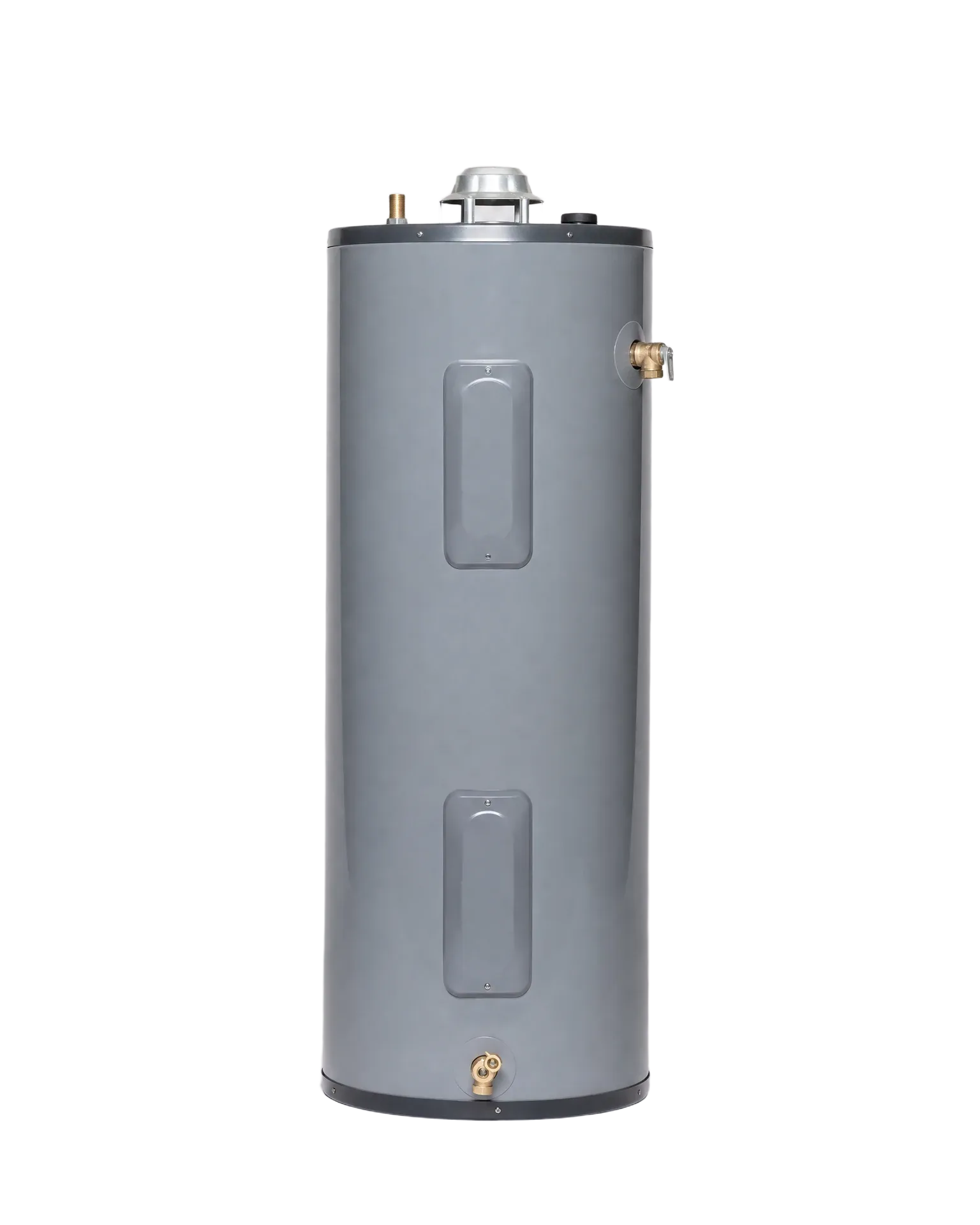
Pilot lit, flame steady
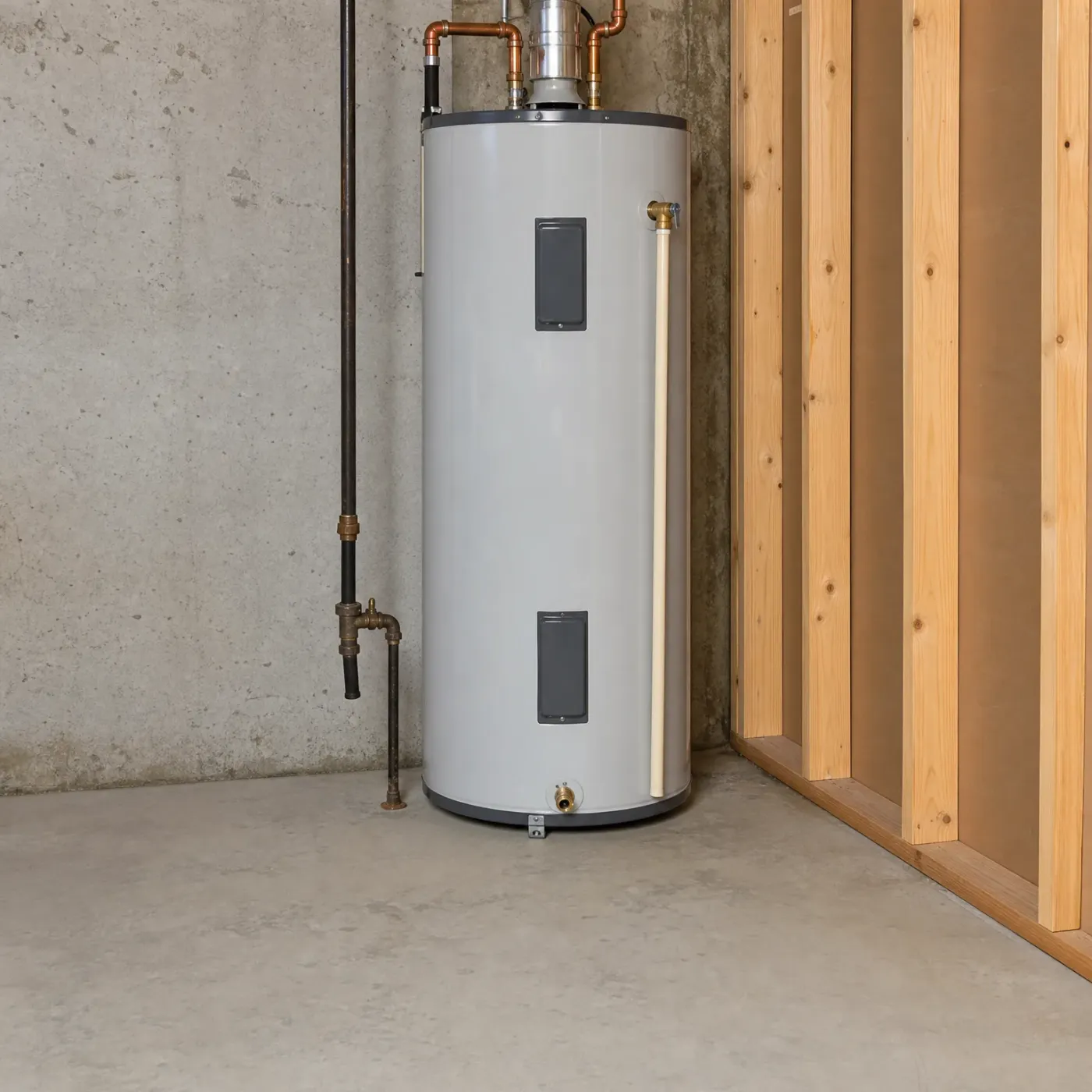
This is what a working setup looks like. Gas and water lines run clean to the ceiling, and the pilot stays lit because the thermocouple sits right in the flame. Hot water shows up when you turn the tap.
You keep relighting the pilot and it holds for a day or two, maybe a week, then goes dark again. With the dry air here in Colorado, you notice it fast when the hot water doesn't show up for a shower or the dishes. You want to know what's cutting the flame before you call anyone out to look at the tank.
Most of the time the thermocouple has worn out. It's the small copper rod that sits in the pilot flame and tells the gas valve the flame is lit. Once it weakens, it stops sending that signal fast enough and the valve shuts the gas off, even with the pilot burning fine. A draft reaching the pilot from a vent or a door nearby can do the same thing, blowing the flame out directly. Either way the fix is specific to what's actually failing, not something to guess at. A tank that's low on gas pressure or has a dirty pilot opening can cause the same thing, which is why relighting it yourself only buys a few more days before it goes out again.
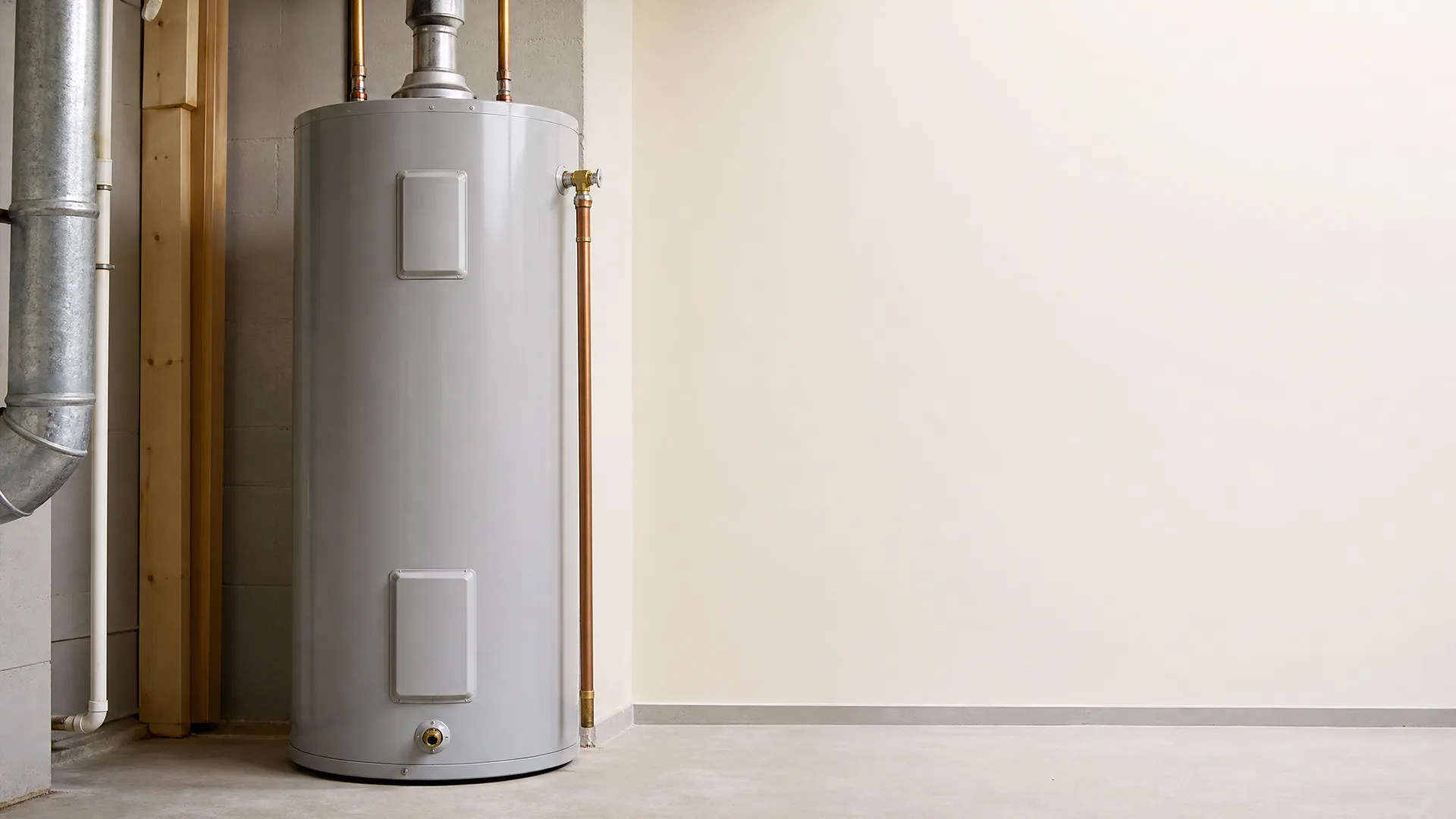
A thermocouple sits in the pilot flame and makes a small current that tells the gas valve to stay open. When that part gets coated or bent out of the flame, the valve reads it as no flame at all and shuts the gas off, even with the pilot still lit in front of you. A draft from a vent or a crack under the door can push the flame just far enough to break that contact too.
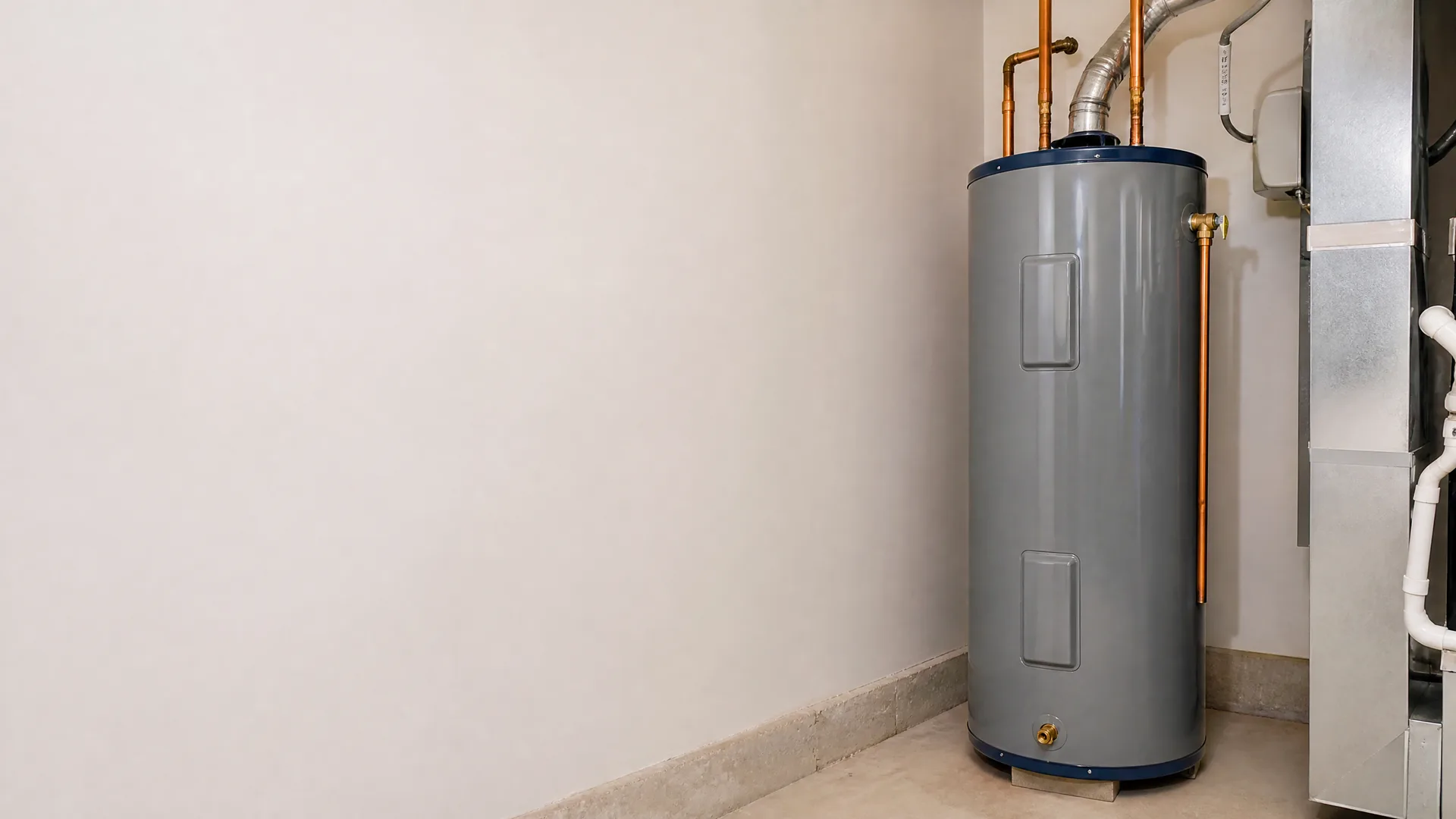
Gas water heaters pull combustion air from somewhere nearby, often a vent or louvered door into the space the tank sits in. If that opening is blocked by stored boxes or if dry winter air sets up a draft through it, the pilot can struggle to stay lit no matter how many times you relight it. A contractor checks the thermocouple, the gas valve, and that air path before replacing anything.
You'll know something's off before you think about the thermocouple. The water runs cold, or lukewarm at best, right when someone needs a shower or the dishes need washing. Some people catch a whiff of gas near the tank when they go to relight it, which means stop and don't strike a match, just shut the valve and get it looked at. A pilot that won't stay lit more than a few days at a time usually means the part that senses the flame is failing, not that you're doing something wrong when you relight it. Left alone, you're stuck relighting it over and over, and a tank that can't hold a flame can't hold hot water either.
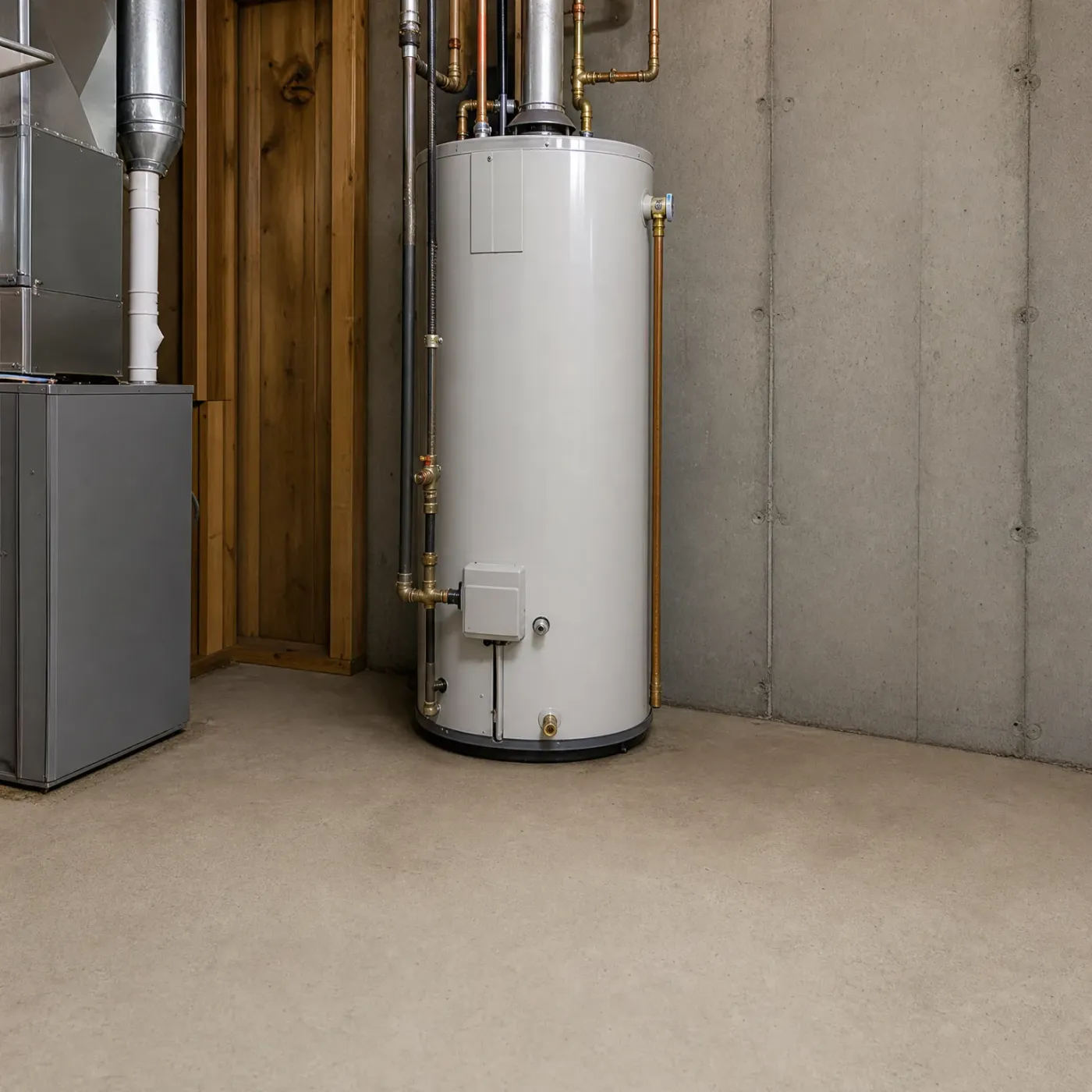
This is what a working setup looks like. Gas and water lines run clean to the ceiling, and the pilot stays lit because the thermocouple sits right in the flame. Hot water shows up when you turn the tap.
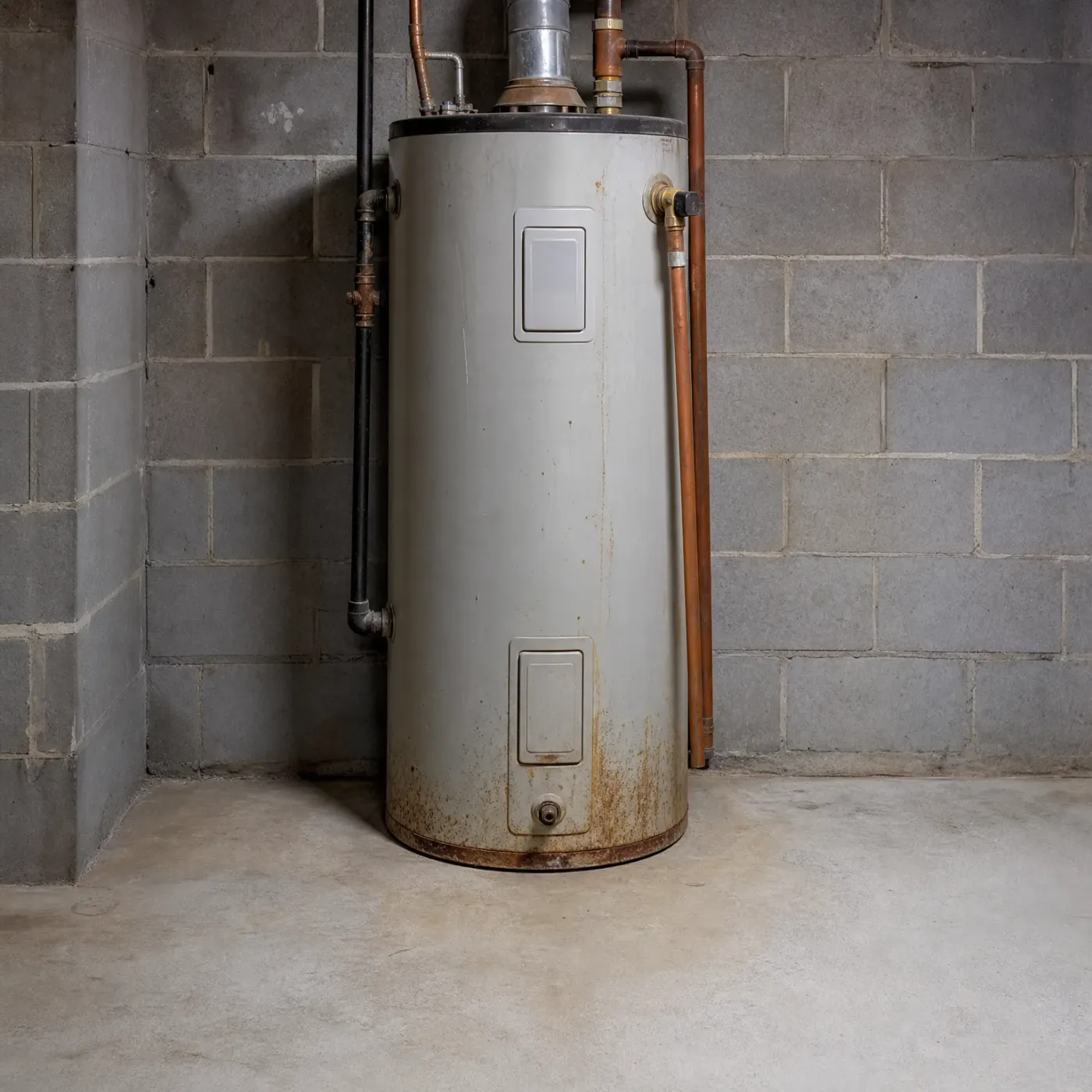
Rust along the seams like this often comes with a pilot that won't hold. Corrosion can throw off the thermocouple or let moisture reach the burner. If your water heater looks like this, the pilot trouble likely isn't the only problem.
Fill out one short form instead of calling around.
Tell a local repair pro what your water heater is doing.
Asking costs nothing, and the choice to hire stays yours.
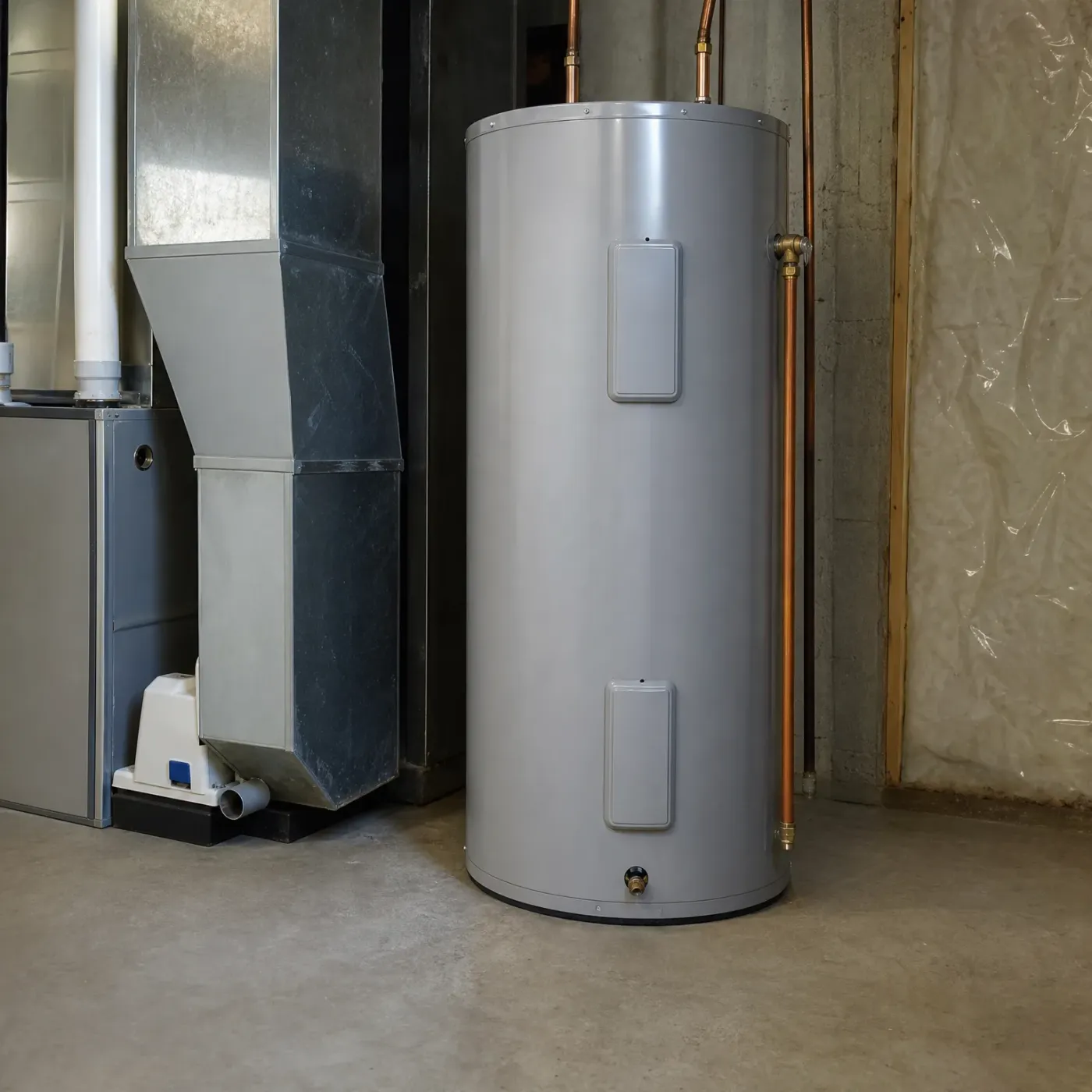
This is a water heater that's holding its pilot the way it should. The thermocouple senses the flame, the gas valve stays open, and hot water shows up when the tap turns on. No relighting, no guesswork.
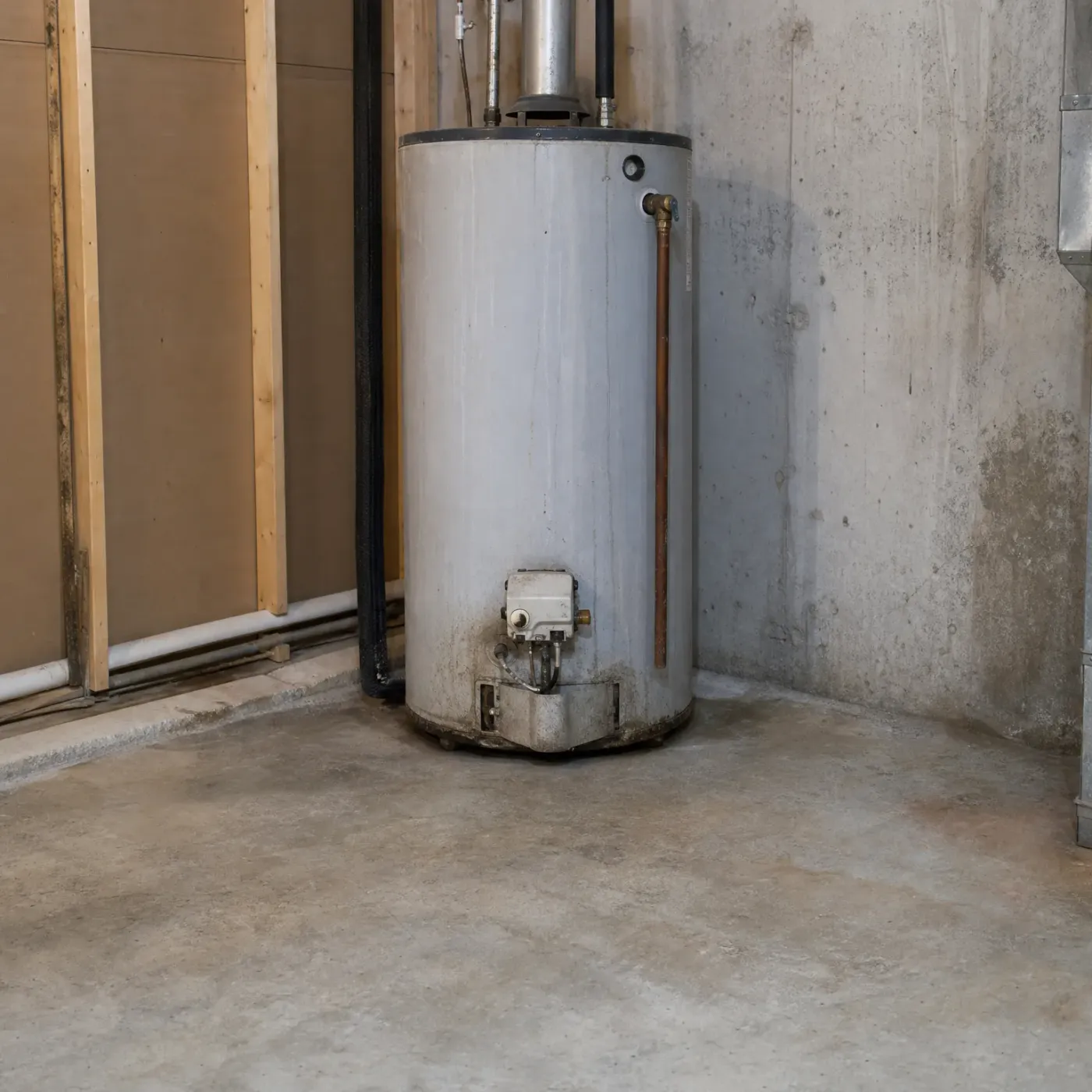
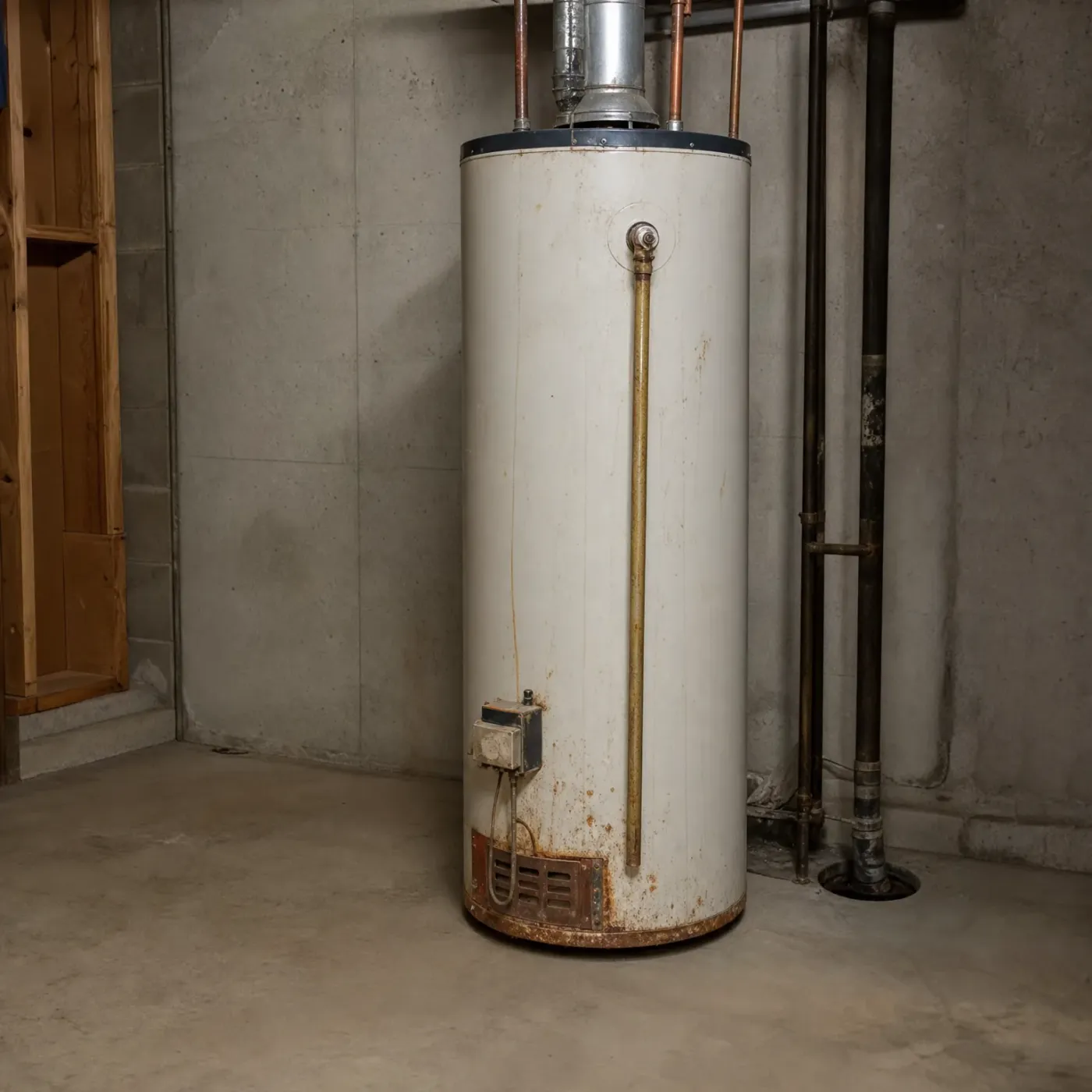
Age shows at the base first, rust and grime building up around the burner where moisture collects. A flue pipe that's drafting wrong or a thermocouple coated in soot will pull the flame out no matter how many times you relight it.




You start searching for a plumber who works on gas water heaters, then call a few to see who answers and who can actually come out. Each one asks what's wrong, so you explain the pilot light problem again from the start, sometimes twice to the same company if the first person transfers you. Then you wait on quotes, if they even give one over the phone, and try to line up the numbers against each other while they use different terms for the same part. Some won't quote without seeing it first. By the time you've got two or three callbacks, you've spent an evening on the phone and still don't have anyone booked.
You answer a few questions about the water heater and the pilot light once, and that's the explaining done. A contractor who handles gas water heaters in your area gets your details and reaches out to you directly. No calling around to find out who's available, no repeating the same description of the flame going out to a third receptionist. The searching and the sorting through quotes is the part that goes away, not the repair itself or what it costs. Once you're matched, it's a conversation with one contractor about your water heater, not a stack of estimates you have to compare on your own.
Most homes in Colorado heat with gas, and yours is probably one of them. A gas water heater depends on that pilot and thermocouple to keep running, so when it keeps going out, you're stuck handling cold water on top of everything else at home.
ACS 2020-2024 5-year B25040
Gas flows to the pilot and you light it by hand.
The thermocouple sits in the pilot flame and heats up.
A heated thermocouple sends a small current to the gas valve.
That current tells the valve to stay open and keep gas flowing.
A pilot that won't stay lit almost always comes down to the thermocouple, whether it's dirty, bent away from the flame, or just worn out after holding that flame for years. Sometimes it's a weak gas valve behind it, but the thermocouple is where most of these end. Either way, relighting it yourself only holds the problem off for a day or two before it goes dark again. A plumber who works on gas water heaters can tell which part is failing and replace it, so hot water stops depending on how often you remember to check a pilot light. You've already seen what the signs look like and what they mean. The part left is getting someone out to look at the thermocouple and the valve and fix what's actually wrong, instead of relighting the same pilot again next week.


A pro who works on water heaters
Explain the job once and skip repeating it on every call.