Tell us about the job
Takes about a minute. No obligation.
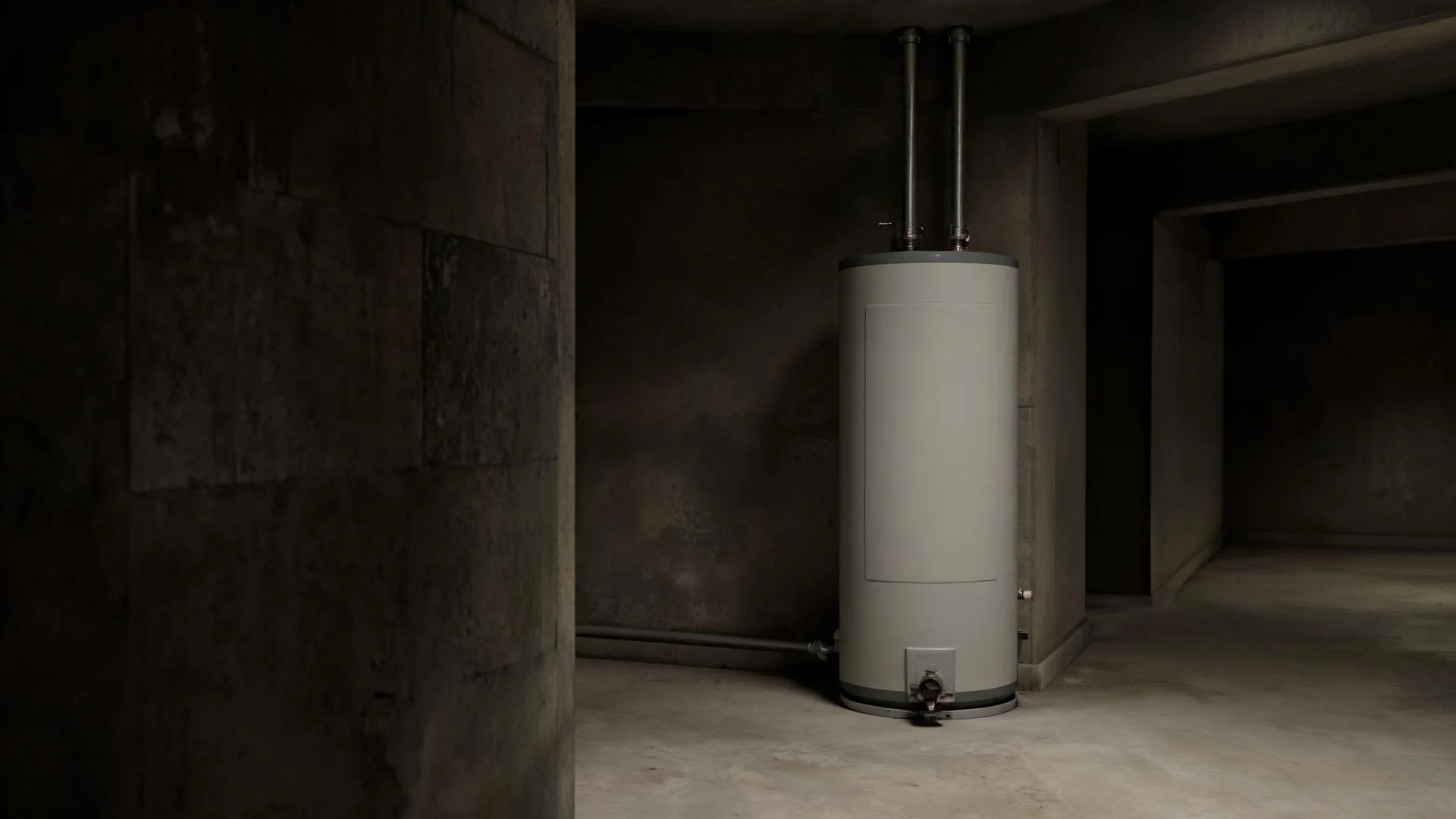
A gas water heater runs every day of the year, which puts it in a different category from furnaces and air conditioners that get months of rest. Utility gas heats more occupied homes in Boulder County, Colorado than any other fuel, at 69.2% (2020-2024 ACS 5-year). That concentration means a contractor diagnosing a failed water heater here is almost always working on a gas-fired unit, so the first things they check are the burner assembly, the thermocouple, and the heat exchanger, all of them driven by continuous combustion cycles rather than a seasonal workload. Venting condition matters too, because a flue that has been moving exhaust gases without interruption degrades from the inside at a pace that seasonal equipment never matches.
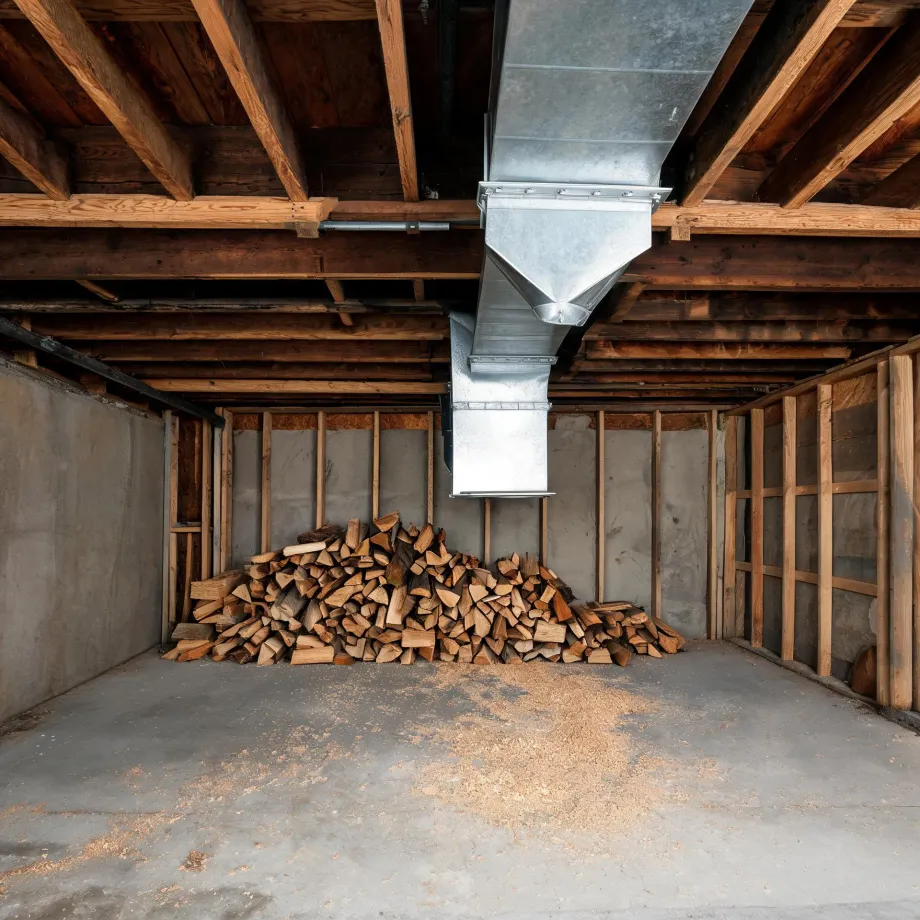
Half the homes in Boulder County, Colorado were built in 1986 or earlier (2020-2024 ACS 5-year). Water heaters in houses that old were put in to replace earlier ones, and then replaced again, which means the unit a contractor opens today carries its own history independent of the house around it. What matters at that point is what the internals show: sediment load, anode condition, whether the valve seats have held, and whether the parts a unit of that vintage takes are still catalogued by the manufacturer. An older house does not tell you any of that. The opened tank does.
The Parts of a Water Heater a Contractor Checks First
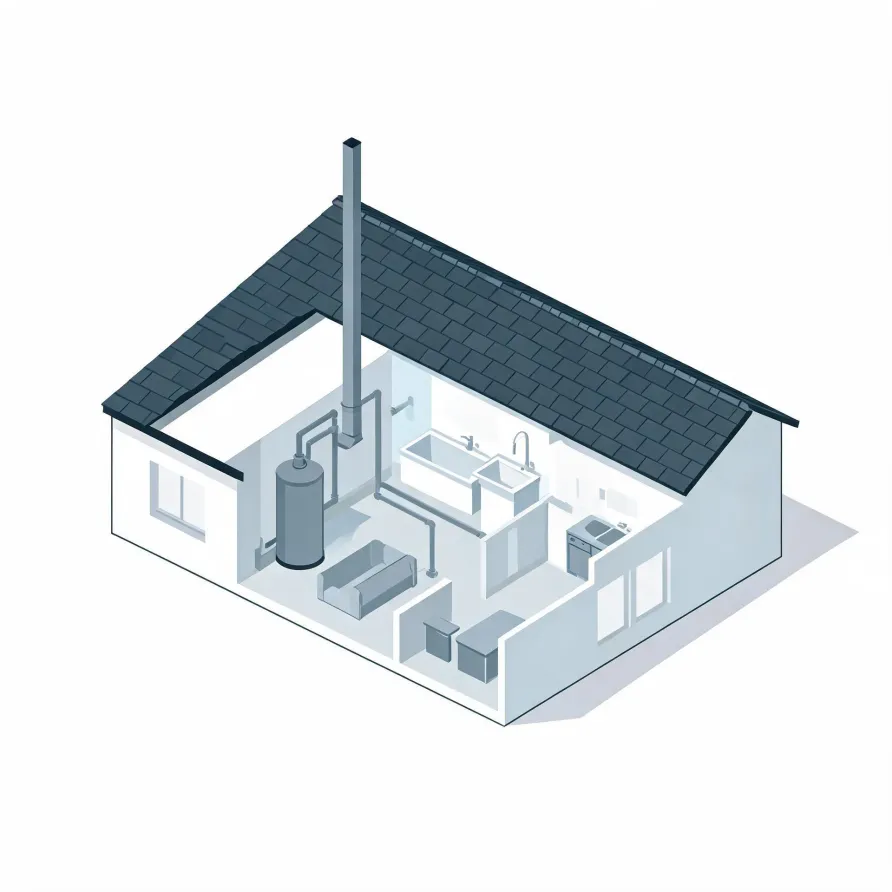
The tank is the piece a homeowner knows on sight: a tall metal cylinder sitting in a utility room, basement, or closet, holding a standing supply of hot water. Inside it, a burner or heating element does the actual heating. When either fails, the result is water that comes out cold, lukewarm, or inconsistent.
At the top of the tank, the pressure relief valve sits as a safety device, releasing pressure if the tank builds too much. The anode rod runs down through the inside of the tank and slows corrosion. At the base, the drain valve lets a contractor flush sediment that settles over time and can affect how the unit performs.
The drawing shows a typical water heater layout, and a licensed contractor determines which components apply to the specific unit and installation in your home.
Get matched in Boulder CountyBoulder County, by the numbers
408 severe weather events were recorded in Boulder County, Colorado between 2015 and 2024.
NOAA National Centers for Environmental Information, Storm Events Database, bulk CSV export, events 2015-01-01 through 2024-12-31.Half the homes in Boulder County, Colorado were built in 1986 or earlier (2020-2024 ACS 5-year).
U.S. Census Bureau, 2020-2024 American Community Survey 5-Year EstimatesBoulder County, Colorado holds 144,729 housing units (2020-2024 ACS 5-year).
U.S. Census Bureau, 2020-2024 American Community Survey 5-Year EstimatesOwners occupy 62.0% of the occupied homes in Boulder County, Colorado (2020-2024 ACS 5-year).
U.S. Census Bureau, 2020-2024 American Community Survey 5-Year EstimatesSevere Weather Events in Boulder County
Extreme weather puts real stress on water heaters, forcing them to work harder and wear faster than they would under mild conditions. How much of that pressure a unit faces depends on where it lives, which makes Boulder County's weather record a direct input to any honest conversation about repair needs here.
408 severe weather events, 2015–2024. Source: NOAA National Centers for Environmental Information, Storm Events Database.