Tell us about the job
Takes about a minute. No obligation.
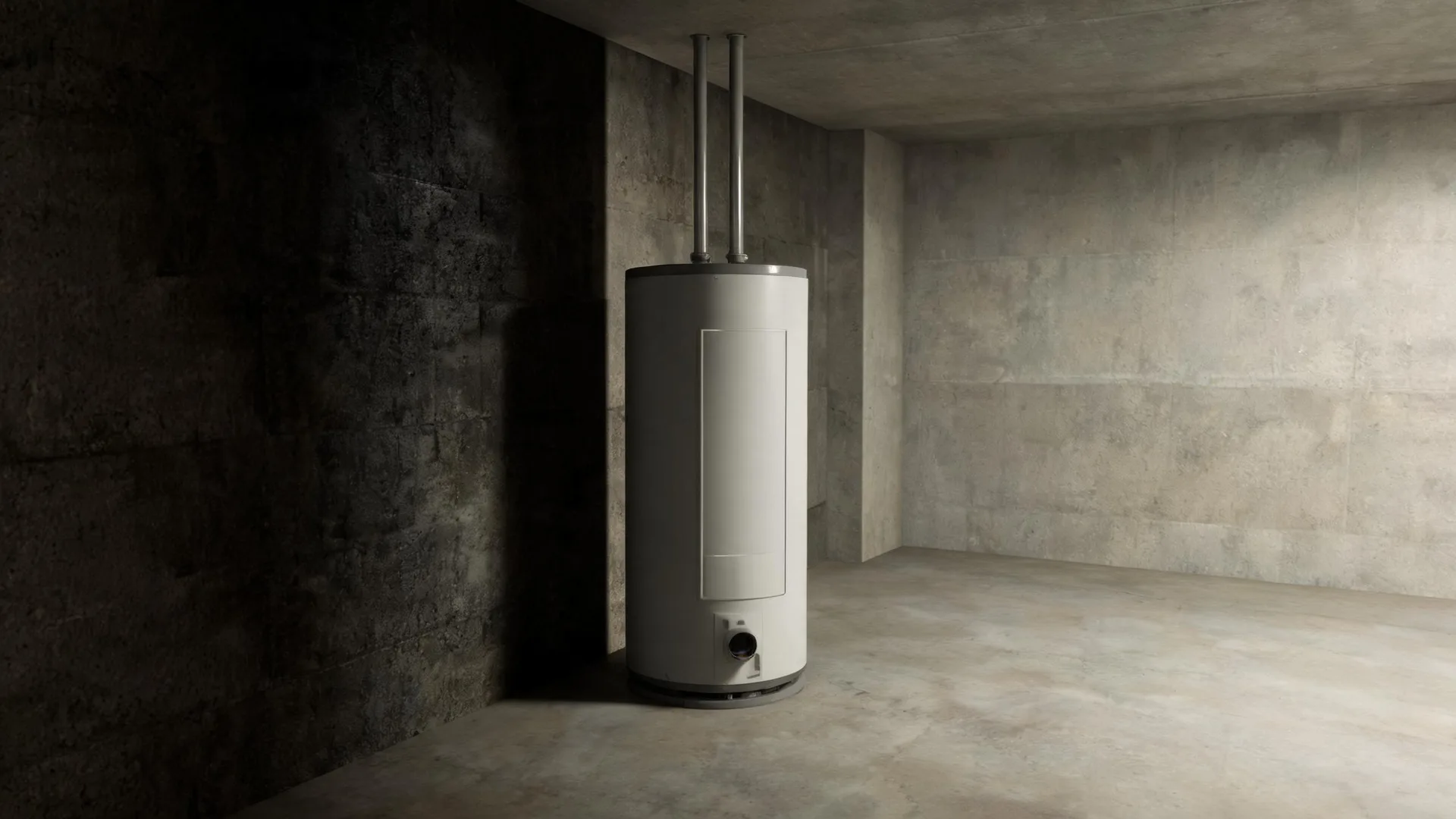
Gas water heaters in Eagle County cycle their burners every day, all year, with no seasonal break the way a furnace gets in summer. Utility gas heats more occupied homes in Eagle County, Colorado than any other fuel, at 63.4% (2020-2024 ACS 5-year). That concentration means contractors here work on gas equipment almost exclusively, and the burner assembly, thermocouple, and ignition system are the components that accumulate wear at the pace of daily demand. A water heater does not rest between seasons. By the time a homeowner notices inconsistent hot water or a pilot that will not hold, those ignition parts have often been cycling long enough to be the direct cause.
Sediment buildup in the tank and the condition of the anode rod are what determine how a water heater repair goes here, and both are products of the plumbing system the unit sits in rather than the unit itself. Half the homes in Eagle County, Colorado were built in 1993 or earlier (2020-2024 ACS 5-year). A house whose supply lines and fittings were put in for an earlier generation of fixtures delivers water to the heater differently than newer plumbing does, and what a contractor finds when they drain and open the tank reflects that accumulation. A unit that reads young on a label can carry heavy scale. A contractor quotes the repair from what is inside, not from what is on the nameplate.
The Parts of a Water Heater a Contractor Checks First
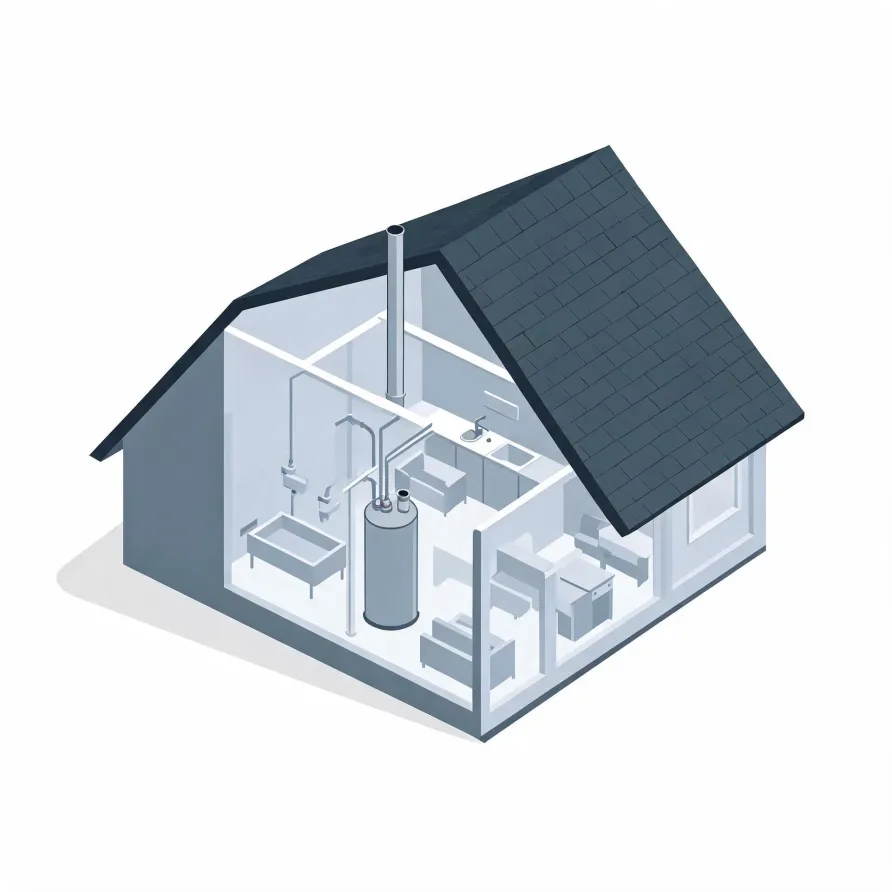
The tank is what most homeowners see, a large insulated vessel that sits in a utility room, basement, or closet and holds water at a set temperature until a tap opens. The burner assembly or heating element sits at or near the base of the tank and is the first place a contractor looks when the water runs cold.
The thermostat controls the target temperature and is mounted on or near the tank body. The pressure relief valve, which sits on the tank's side or top, releases pressure when it climbs too high. The anode rod runs down through the tank interior and draws corrosion away from the tank wall.
The drawing shows a general layout of these components, and a licensed contractor determines what applies to the specific unit in your home.
Get matched in Eagle CountyEagle County, by the numbers
158 severe weather events were recorded in Eagle County, Colorado between 2015 and 2024.
NOAA National Centers for Environmental Information, Storm Events Database, bulk CSV export, events 2015-01-01 through 2024-12-31.Half the homes in Eagle County, Colorado were built in 1993 or earlier (2020-2024 ACS 5-year).
U.S. Census Bureau, 2020-2024 American Community Survey 5-Year EstimatesEagle County, Colorado holds 33,915 housing units (2020-2024 ACS 5-year).
U.S. Census Bureau, 2020-2024 American Community Survey 5-Year EstimatesOwners occupy 65.9% of the occupied homes in Eagle County, Colorado (2020-2024 ACS 5-year).
U.S. Census Bureau, 2020-2024 American Community Survey 5-Year EstimatesSevere Weather Events in Eagle County
Storms and hard weather put real strain on water heaters, forcing the equipment to recover faster and work harder than it would on a calm day. What that load looks like in Eagle County shapes how contractors here think about wear, failure points, and what a repair actually needs to address.
158 severe weather events, 2015–2024. Source: NOAA National Centers for Environmental Information, Storm Events Database.