Tell us about the job
Takes about a minute. No obligation.
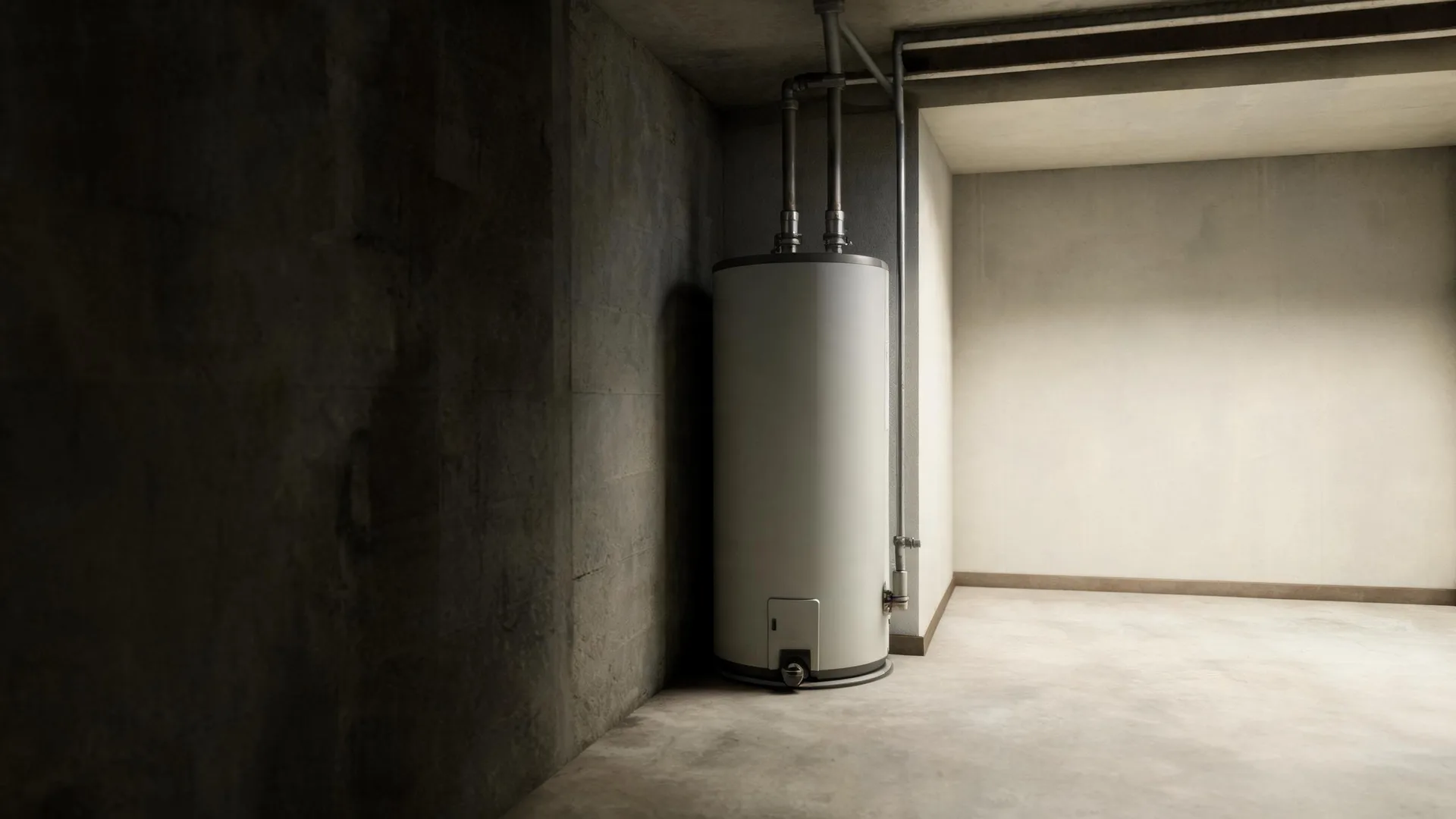
Gas-fired water heaters cycle their burners continuously to hold tank temperature, and the ignition system, thermocouple, and gas valve accumulate wear with every call for heat. Utility gas heats more occupied homes in Sedgwick County, Colorado than any other fuel, at 64.6% (2020-2024 ACS 5-year). That share of the housing stock means a contractor diagnosing a water heater failure here is almost always looking at combustion components rather than electric elements or heat pump coils. A failed thermocouple or a fouled burner orifice is the common find, and both require hands-on inspection before a contractor can price the repair.
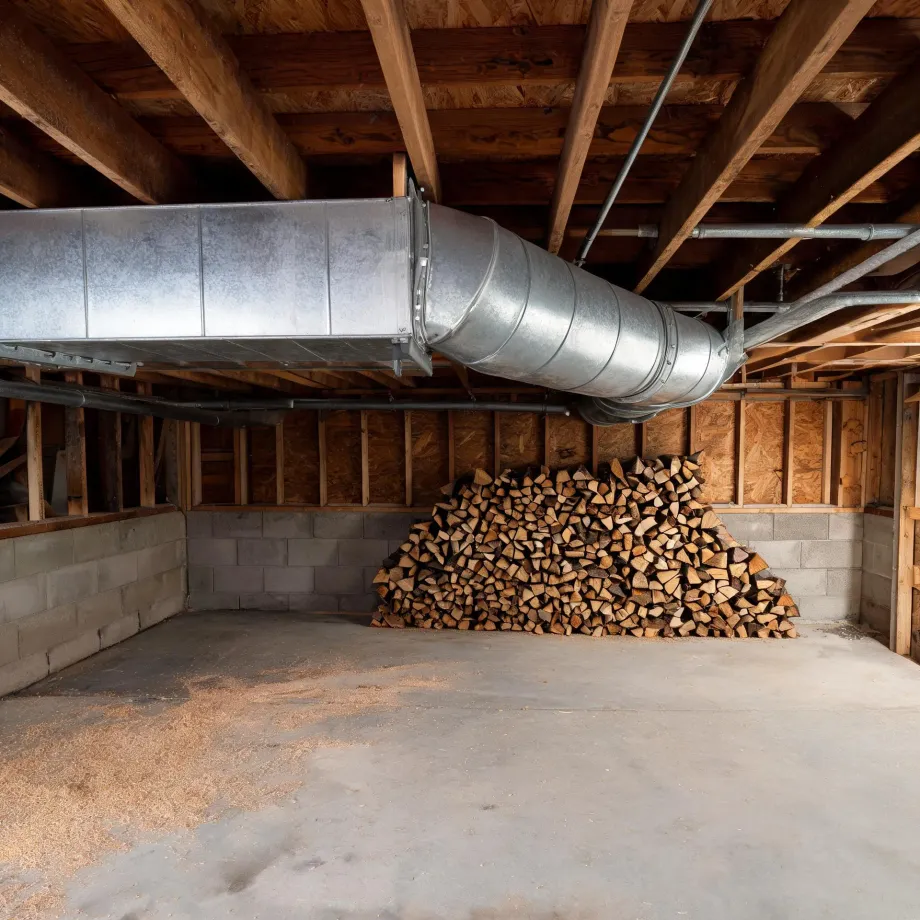
Water heaters in houses this old have often been swapped in around infrastructure that was never designed for them, and the repair scope follows from that. Half the homes in Sedgwick County, Colorado were built in 1954 or earlier (2020-2024 ACS 5-year). When a contractor opens the unit, what they find determines whether a standard part fits or whether the connection points and supply lines have been modified enough that the fix changes. Sedgwick County stock carries that kind of accumulated adaptation, and a repair quote that skips the surrounding plumbing is working from an incomplete picture.
The Parts of a Water Heater a Contractor Checks First
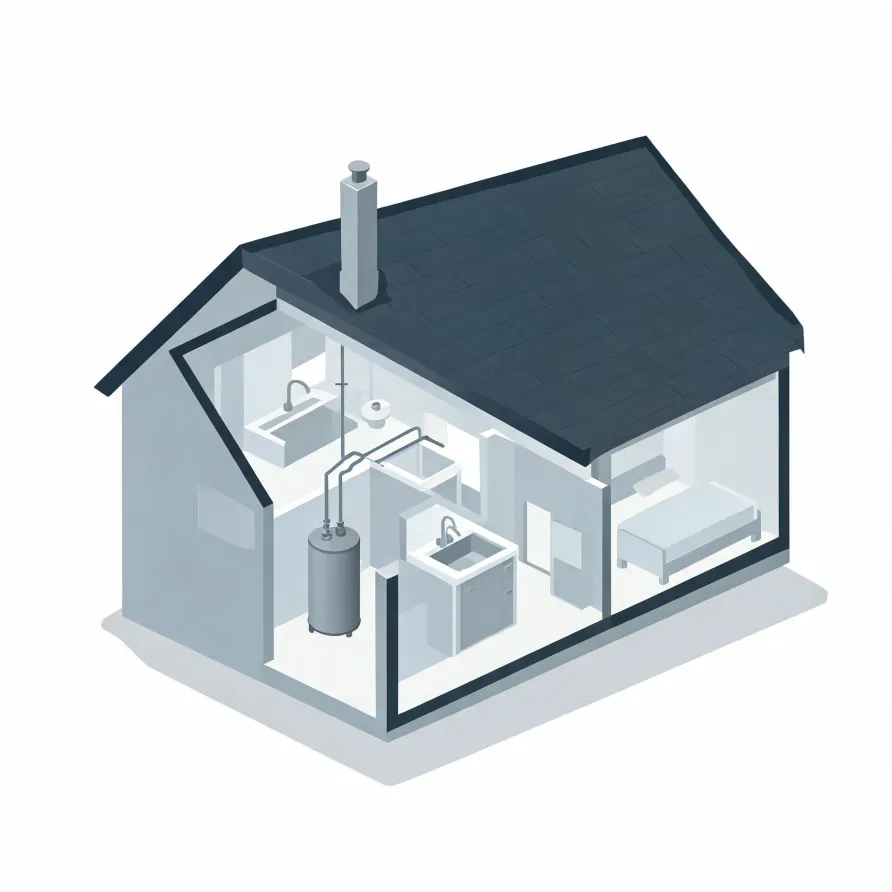
The tank is the piece a homeowner sees first, usually standing in a utility room, basement, or garage. It holds and heats the water supply for the house. When the tank itself has failed, signs show up as leaks at the base, corrosion on the outer shell, or water that never reaches the right temperature.
The burner assembly or heating element sits inside or beneath the tank depending on whether the unit runs on gas or electricity, and the thermostat mounts to the tank wall to read and regulate temperature. The pressure relief valve attaches to the side of the tank and opens if pressure builds past a safe point. A contractor checks all of these when tracing the source of a problem.
The drawing shows a typical layout, and a licensed contractor determines which components apply and what condition they are in for your specific installation.
Get matched in Sedgwick CountySedgwick County, by the numbers
105 severe weather events were recorded in Sedgwick County, Colorado between 2015 and 2024.
NOAA National Centers for Environmental Information, Storm Events Database, bulk CSV export, events 2015-01-01 through 2024-12-31.Half the homes in Sedgwick County, Colorado were built in 1954 or earlier (2020-2024 ACS 5-year).
U.S. Census Bureau, 2020-2024 American Community Survey 5-Year EstimatesSedgwick County, Colorado holds 1,214 housing units (2020-2024 ACS 5-year).
U.S. Census Bureau, 2020-2024 American Community Survey 5-Year EstimatesOwners occupy 71.8% of the occupied homes in Sedgwick County, Colorado (2020-2024 ACS 5-year).
U.S. Census Bureau, 2020-2024 American Community Survey 5-Year EstimatesSevere Weather Events in Sedgwick County
Extreme weather puts water heaters under stress that calm conditions never do. Sedgwick County's weather record shapes how hard local equipment works and how often it needs attention.
105 severe weather events, 2015–2024. Source: NOAA National Centers for Environmental Information, Storm Events Database.