Tell us about the job
Takes about a minute. No obligation.
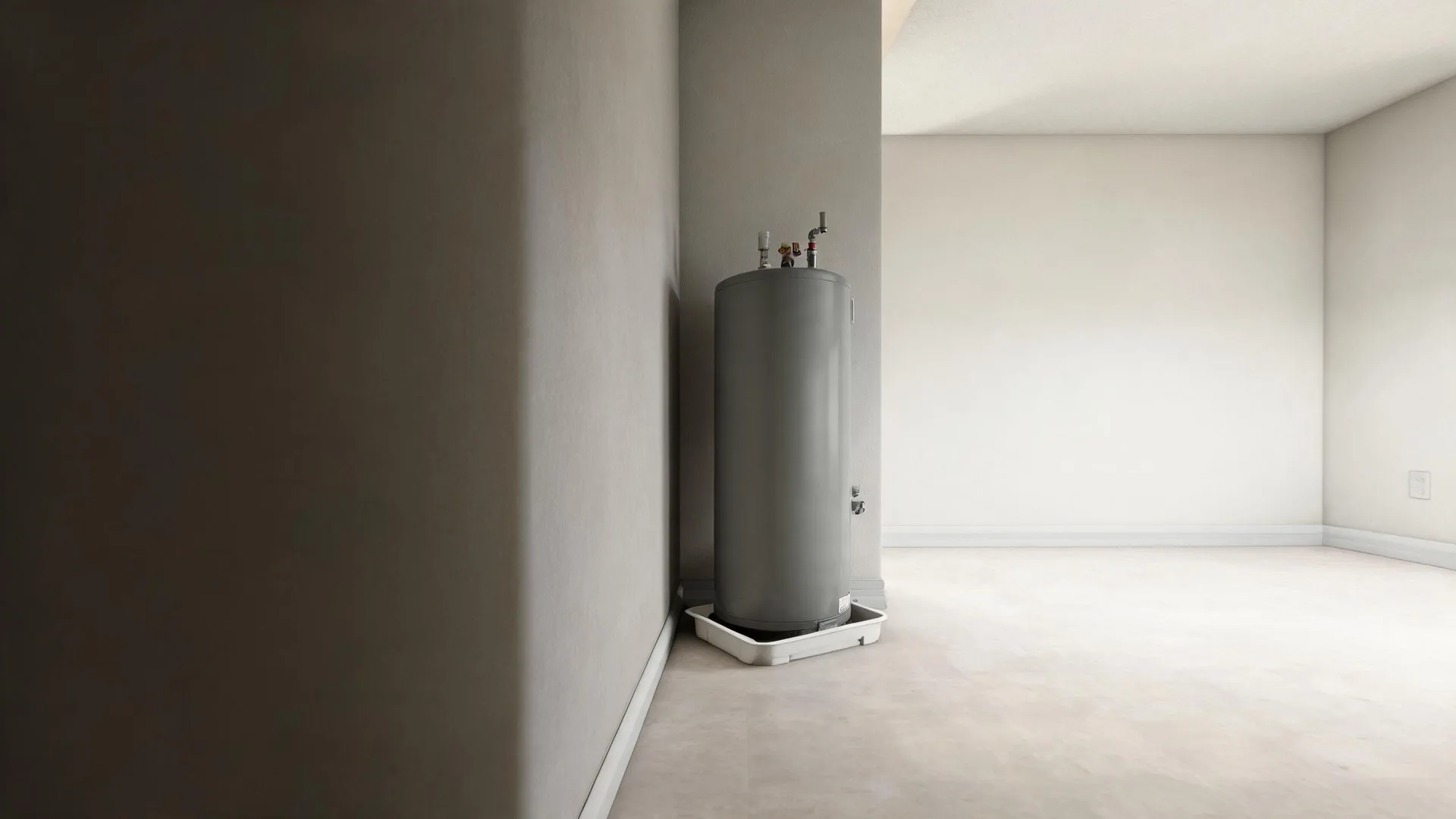
Gas water heaters run every day, not just when the furnace kicks on, and the burner, thermocouple, and gas valve accumulate wear at a pace that few homeowners track until something fails. Utility gas heats more occupied homes in Lincoln County, Colorado than any other fuel, at 58.6% (2020-2024 ACS 5-year). A contractor called out for a repair in this county is almost certain to be working on a gas unit, which means the diagnostic starts with combustion: whether the burner lights cleanly, whether the thermocouple is reading accurately, and whether the gas valve is opening and closing the way it should. Sediment buildup in the tank follows, because a gas-fired unit that runs hard enough deposits minerals against the bottom faster than a lightly used one does.
Sediment, corroded fittings, and non-standard connections are common findings in stock this old, and parts for the equipment that ended up in these houses after multiple rounds of replacement are not always on a distributor's shelf. Half the homes in Lincoln County, Colorado were built in 1967 or earlier (2020-2024 ACS 5-year). That gap between when these houses were framed and what eventually got plumbed into them is where repairs get complicated: a contractor who opens a water heater here may be looking at a unit that was already a retrofit, supplied by a line that has since been discontinued. The part number exists somewhere, but sourcing it adds time to the job.
The Parts of a Water Heater a Contractor Checks First
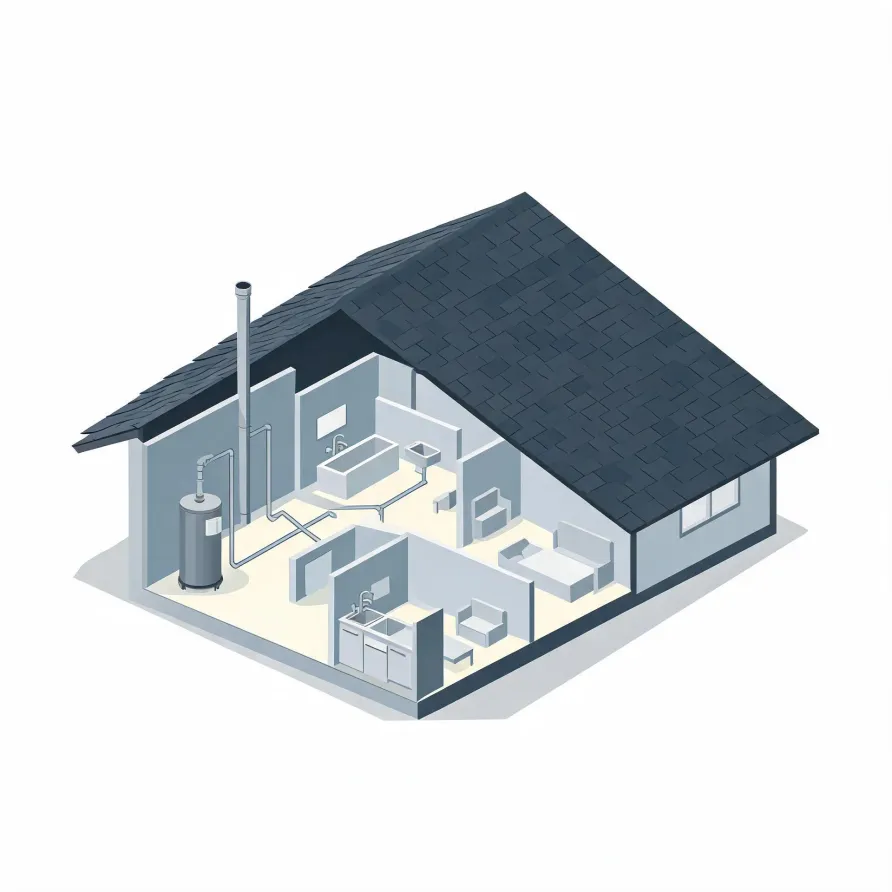
The tank is the piece a homeowner notices, usually standing in a utility closet, basement, or garage. It holds the water and keeps it at temperature. When water is slow to heat or runs cold too fast, the tank's interior components, particularly the heating elements or burner assembly at the base, are where a contractor looks first.
The anode rod runs down through the top of the tank and slows corrosion from the inside. The temperature and pressure relief valve, mounted on the side or top, is a safety device that opens if either value climbs too high. Supply and discharge pipes connect the tank to the home's plumbing, and fittings at those connections are common spots for leaks.
The drawing shows the general layout of a water heater, and a licensed contractor determines which components apply and need attention in your specific home.
Get matched in Lincoln CountyLincoln County, Colorado, by the numbers
265 severe weather events were recorded in Lincoln County, Colorado between 2015 and 2024.
NOAA National Centers for Environmental Information, Storm Events Database, bulk CSV export, events 2015-01-01 through 2024-12-31.Half the homes in Lincoln County, Colorado were built in 1967 or earlier (2020-2024 ACS 5-year).
U.S. Census Bureau, 2020-2024 American Community Survey 5-Year EstimatesLincoln County, Colorado holds 2,382 housing units (2020-2024 ACS 5-year).
U.S. Census Bureau, 2020-2024 American Community Survey 5-Year EstimatesOwners occupy 71.7% of the occupied homes in Lincoln County, Colorado (2020-2024 ACS 5-year).
U.S. Census Bureau, 2020-2024 American Community Survey 5-Year EstimatesSevere Weather Events in Lincoln County
Extreme weather puts water heaters under strain, forcing recovery cycles that wear components faster than steady-state use does. What the weather does in Lincoln County shapes how hard local water heaters work and how soon they need attention.
265 severe weather events, 2015–2024. Source: NOAA National Centers for Environmental Information, Storm Events Database.