Tell us about the job
Takes about a minute. No obligation.
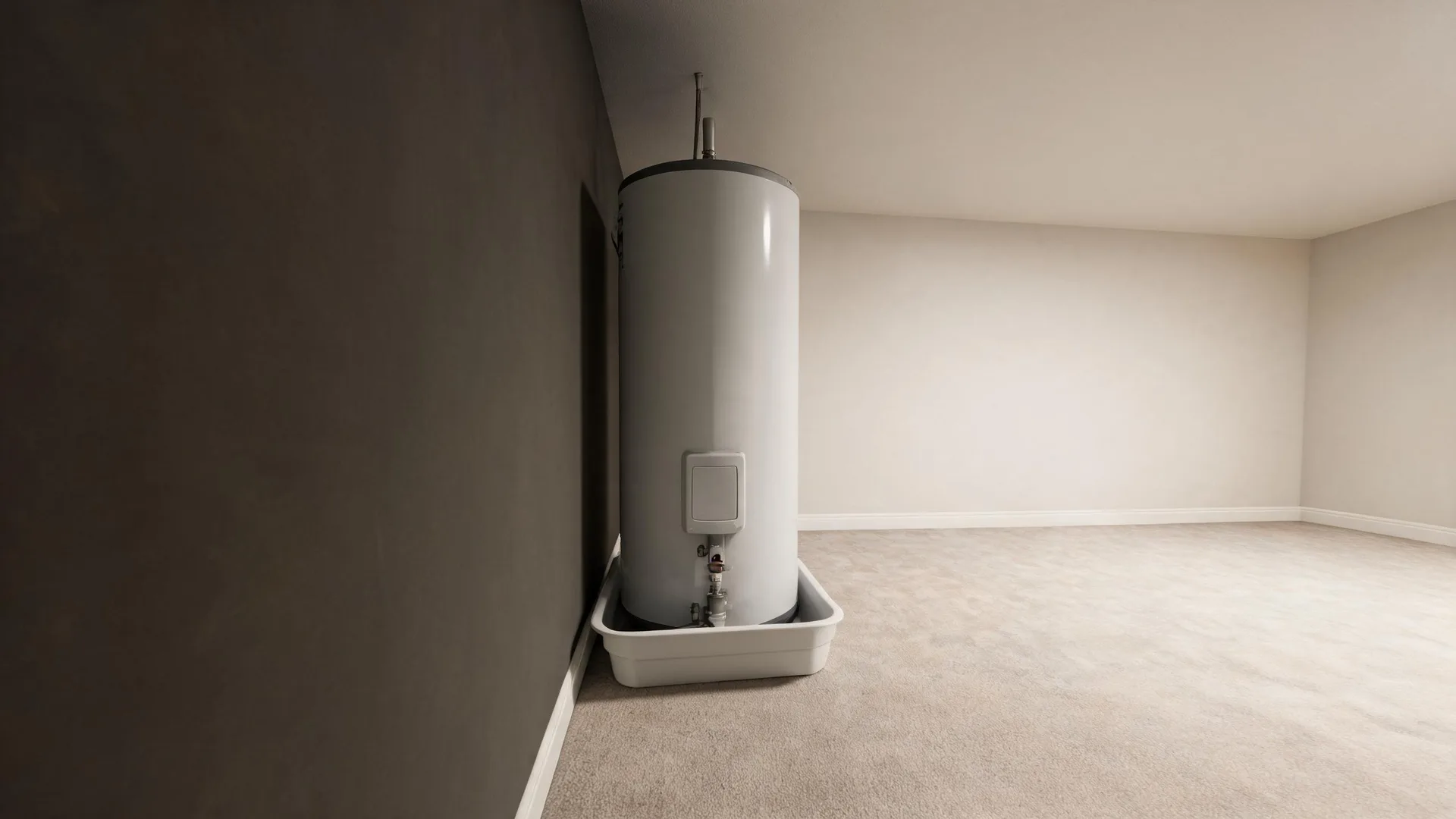
Gas water heaters put the same components to work on every draw: the burner fires, the igniter trips, the thermocouple reads the flame. Utility gas heats more occupied homes in Adams County, Colorado than any other fuel, at 68.9% (2020-2024 ACS 5-year). With gas running in that share of homes, contractors here see the same failure pattern repeated: igniter burnout, thermocouple drift, and burner ports clogged with mineral residue from the sediment layer that builds when a tank cycles hard. A repair call that looks like a thermostat fault often traces back to the burner assembly, and a contractor who skips that check quotes the wrong fix.
Water heaters in houses this old have often been in place through multiple ownership cycles, and what a contractor finds once the unit is open is what decides the job: whether the heat exchanger, anode rod, or valve assembly still has a manufacturer behind it, or whether the part now requires sourcing from a shrinking pool of suppliers. Half the homes in Adams County, Colorado were built in 1991 or earlier (2020-2024 ACS 5-year). A heater that has run that long in original installation conditions may be drawing from venting that was fitted to it specifically, which means the repair scope can extend past the unit itself if the venting has deteriorated. The parts question is where the job either resolves quickly or does not.
The Parts of a Water Heater a Contractor Checks First
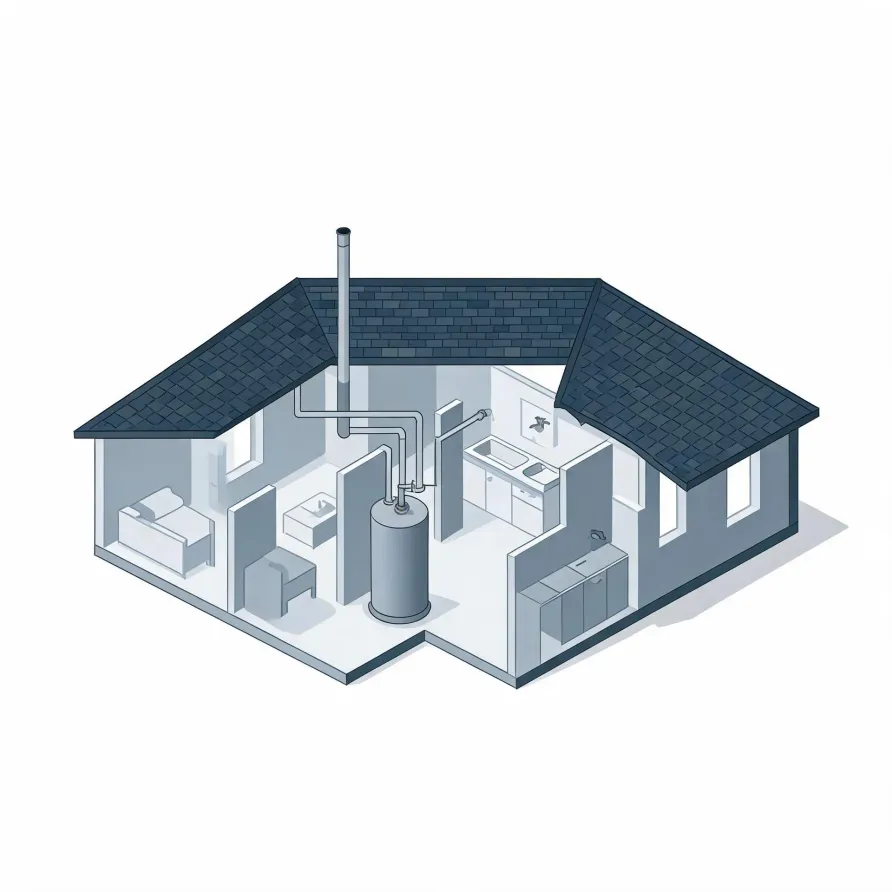
The tank is what most homeowners recognize: a large insulated cylinder that sits in a utility room, basement, or garage and holds a supply of heated water ready for use. The burner assembly or heating element sits at the base or inside the tank and is where heat is applied to the water. When a water heater stops performing, the burner, element, or thermostat controlling them is where a contractor looks first.
The pressure relief valve mounts on the side of the tank and opens automatically if pressure inside climbs too high. The anode rod runs down through the tank interior and slows corrosion of the tank walls. Cold water enters through a dip tube that carries it to the bottom of the tank, while hot water exits from a fitting at the top and travels to the rest of the house.
The drawing shows the general layout of these components, and a licensed contractor determines which of them apply to the specific unit and setup in your home.
Get matched in Adams CountyAdams County, by the numbers
292 severe weather events were recorded in Adams County, Colorado between 2015 and 2024.
NOAA National Centers for Environmental Information, Storm Events Database, bulk CSV export, events 2015-01-01 through 2024-12-31.Half the homes in Adams County, Colorado were built in 1991 or earlier (2020-2024 ACS 5-year).
U.S. Census Bureau, 2020-2024 American Community Survey 5-Year EstimatesAdams County, Colorado holds 195,793 housing units (2020-2024 ACS 5-year).
U.S. Census Bureau, 2020-2024 American Community Survey 5-Year EstimatesOwners occupy 68.6% of the occupied homes in Adams County, Colorado (2020-2024 ACS 5-year).
U.S. Census Bureau, 2020-2024 American Community Survey 5-Year EstimatesWeather Stress on Water Heaters in Adams County
Outdoor conditions put real load on water heater systems. Pressure swings, temperature drops, and storm events all push equipment harder, and what that load looks like in Adams County shapes what a local contractor will see over a year of repair calls.
292 severe weather events, 2015–2024. Source: NOAA National Centers for Environmental Information, Storm Events Database.