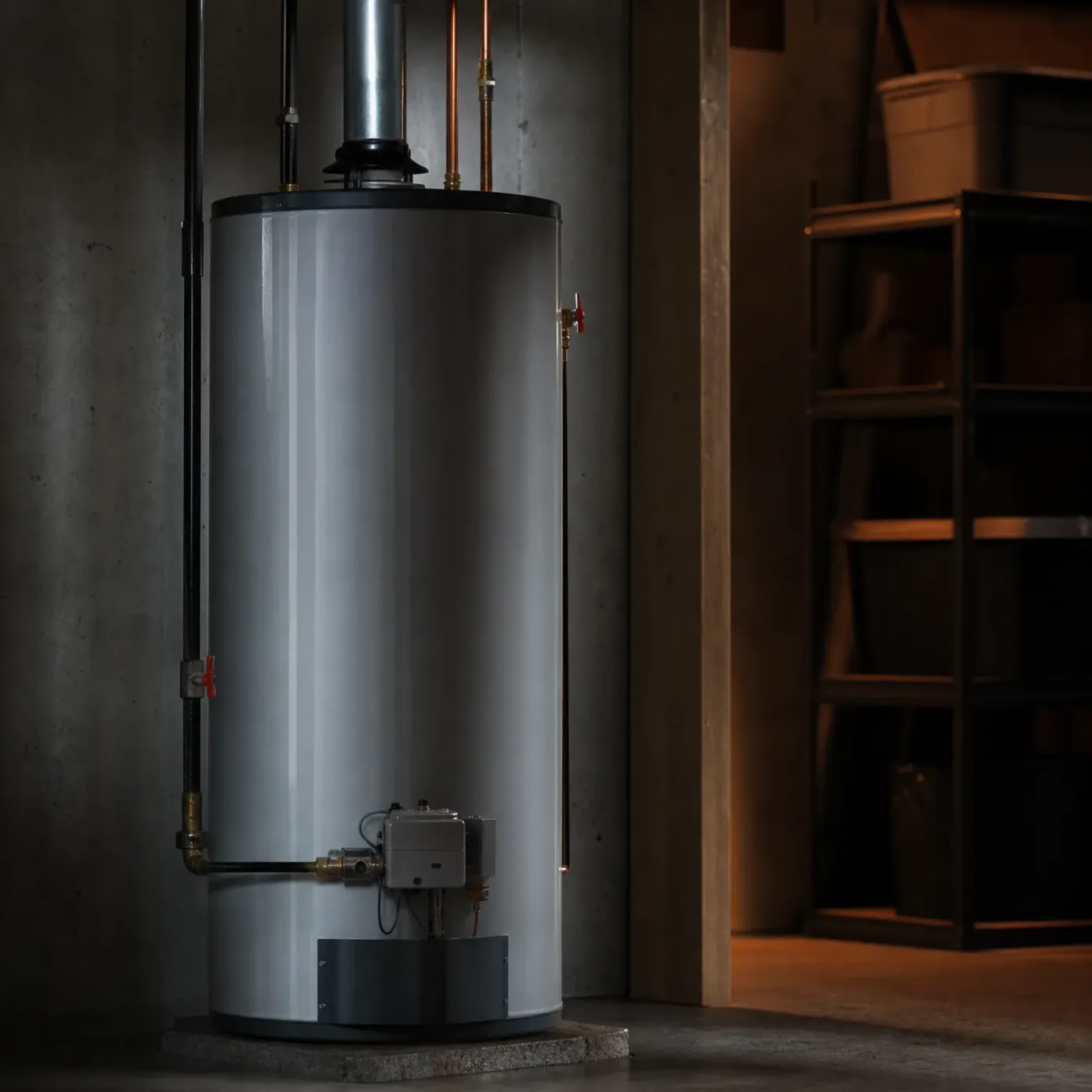
Finding a pro stops being your job
What size water heater a Colorado home needs
Sizing a water heater comes down to your household size, how many bathrooms you run, and whether you want a tank or a tankless unit. Gas is the common fuel for Colorado homes, and that affects which sizes make sense. The page ahead walks through the numbers. Send the form and skip the work of tracking down installers yourself.
Let a pro reach outFor most Colorado homes, a 40 to 50 gallon gas tank covers two to four people, and a household of five or more usually needs 50 to 60 gallons. The reason comes down to recovery: gas water heaters reheat water faster than electric ones, so the tank doesn't need to be as large to keep up with back to back showers. A home with two full bathrooms or a soaking tub often does better moving up a size, since hot water gets drawn from more than one place at once. If you're considering a tankless unit instead, sizing shifts from gallons to flow rate, measured in gallons per minute, and that number depends on how many fixtures might run at the same time. Altitude here also affects gas appliance performance, which is one more reason the right size depends on your specific home rather than a general rule.
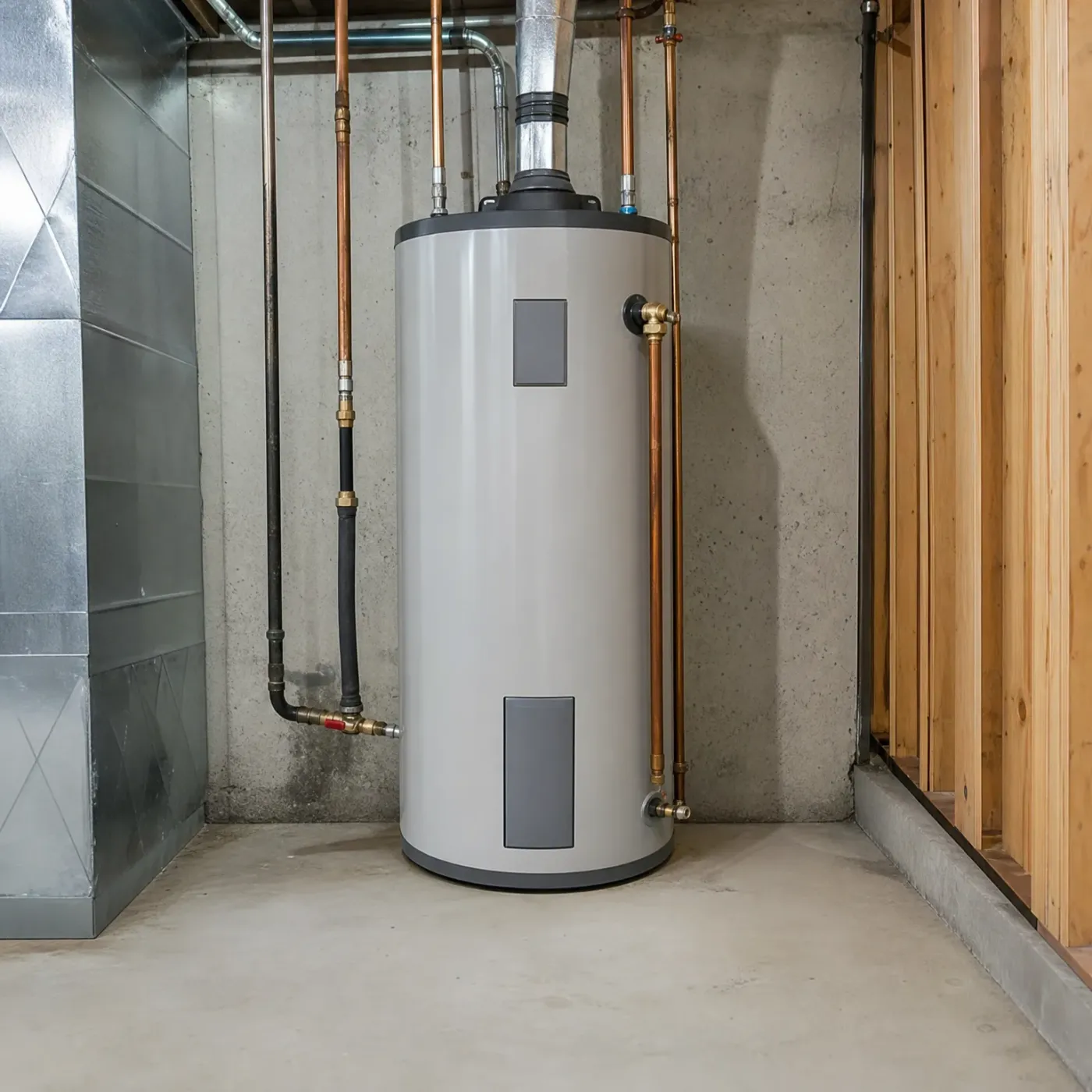
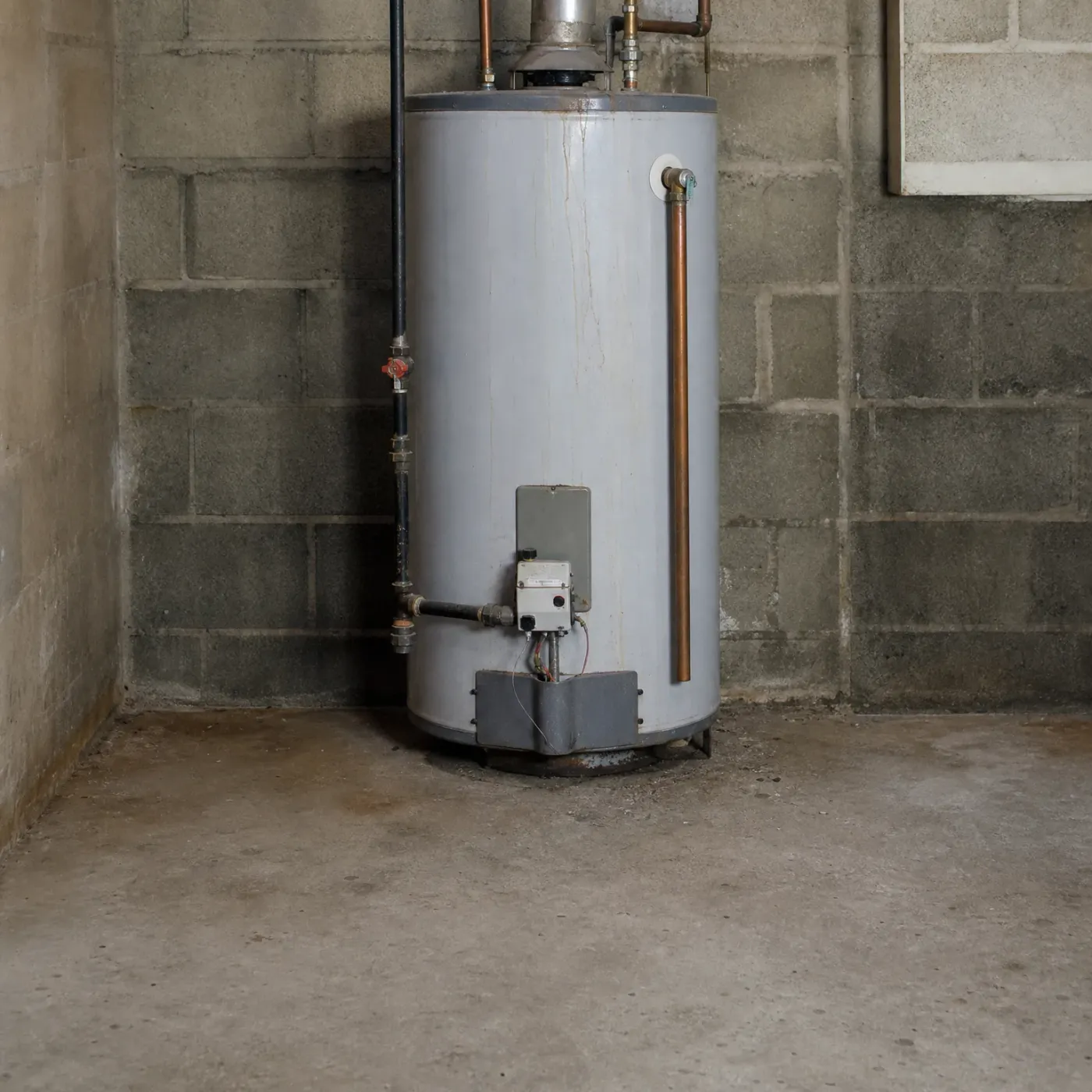
The number on the tank isn't the whole story. What matters is the first hour rating, the gallons it can actually deliver in 60 minutes once the burner gets going. The burner heats water near the bottom of the tank, and how fast it refills after someone showers depends on the recovery rate, not just how many gallons the tank holds. That's why a 40 gallon tank with a strong burner can keep up better than a 50 gallon tank with a weak one. Tankless units work differently. They're rated in gallons per minute, so the size you need depends on how many fixtures might run hot water at the same time, not on any tank at all. One thing specific to Colorado: altitude changes how gas burns, so a unit built for sea level may need a different gas valve orifice to fire the way it's supposed to here. And inside the tank, a dip tube sends incoming cold water straight to the bottom, which is why hot water stays up top until a draw starts pulling it down.
How a gas water heater actually sizes up
- A gas water heater's first hour rating tells you how many gallons it can deliver in 60 minutes, which matters more than tank size alone.
- The burner fires, heats the water near the bottom of the tank, and the recovery rate decides how fast it refills with hot water after a draw.
- A 40 gallon gas tank with a higher first hour rating can outperform a 50 gallon tank with a weak burner.
- Tankless units size by gallons per minute instead of tank capacity, so the rating you need depends on how many fixtures run at once.
- Altitude affects gas combustion, so a unit rated for sea level may need a different gas valve orifice to fire correctly at elevation.
- The dip tube feeds cold water to the bottom of the tank, which is why a full tank of hot water sits above it until a draw starts pulling it down.
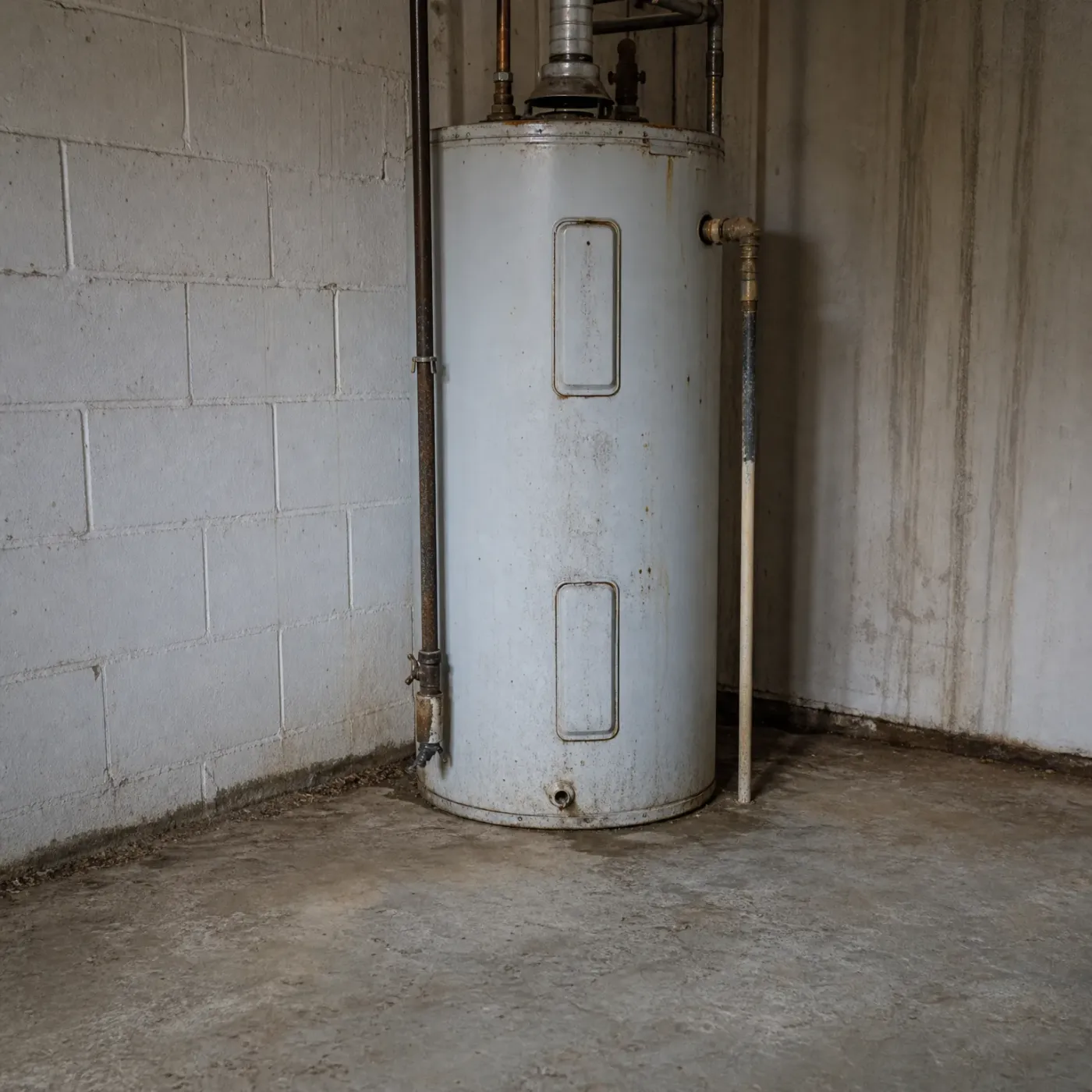
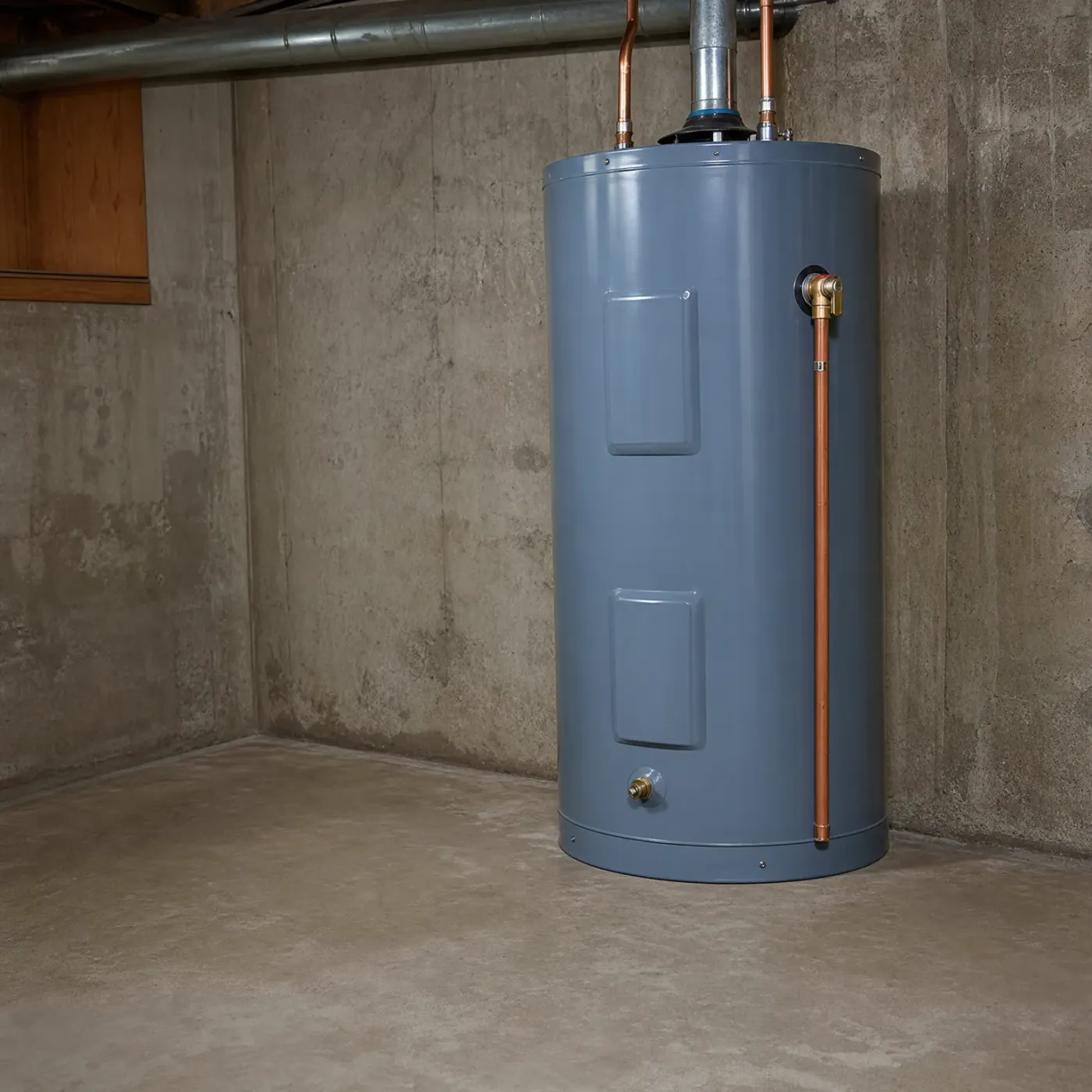
Let someone else find the pro
Working out the right size on your own means cross-checking household numbers against first hour ratings, then finding out which sizes a gas model even comes in before you know what to ask for. That's before you start calling plumbers, explaining your bathroom count and shower habits to each one, and lining up their quotes to see who actually matches what your home needs. A water heater sized wrong doesn't announce itself until the shower runs cold or the gas bill creeps up, so getting the number right from the start matters more than it seems. Send the form and that search stops being yours to run. One contractor who installs water heaters in Colorado homes gets your details, already knowing your household size and what you're after, instead of you repeating it on five different calls. What's left is the part that actually needs a plumber: putting the right size in place.




66.4% of homes statewide heat with gas
With gas heating in two out of three Colorado homes, chances are good yours runs on it too, including the water heater. Gas tanks recover faster than electric, which is part of why the sizing numbers above lean the way they do.
ACS 2020-2024 5-year B25040
A tank rated 50 gallons with a first hour rating of 64 can still fall short for a household of five if two showers and a load of laundry hit at once.
That's why the gallon number on the sticker matters less than the first hour rating next to it. Ask for that figure when you compare models, not just the tank size.


The Right Size, Settled
- Match the tank to your household size and the first hour rating, not the gallon number alone.
- A 40 to 50 gallon gas tank covers two to four people, and five or more usually calls for 50 to 60 gallons.
- Gas recovers faster than electric, which is why Colorado's gas-heavy homes can run smaller tanks than electric households need.
- The right size keeps back to back showers and a running dishwasher from pulling the water cold.
- Getting this answer settled means you skip calling around to multiple plumbers and repeating your household details to each one.
- Once you know the size, the next step is finding someone licensed to install it correctly.
A household of two to four people in Colorado does well with a 40 to 50 gallon gas tank. Five or more people, lean toward 50 to 60 gallons. Gas recovers faster than electric, so these numbers hold even on a morning when two showers and a load of laundry land at the same time. The gallon size on the sticker only tells part of it. The first hour rating next to it tells you what the tank can actually deliver when the house is busy, and that number is what keeps the water hot when it matters.
Get the size right and you stop thinking about the water heater at all. Showers run back to back without turning cold. The dishwasher doesn't catch the end of a hot run. Get it wrong, and the tank runs out by the second shower, with the gas burner unable to recover fast enough to keep up.
You could work this out by calling a few plumbers, describing your household each time, and comparing what each one tells you. Or you can treat it as settled. Household size and first hour rating point to a range, gas sizing follows from there, and the only thing left is finding someone licensed to put the right tank in. That part doesn't have to be yours to chase down.

Water Heater Installation
One request and it's handed off

- A local installer who puts in water heaters gets your project.
- Get in touch with a local installer about a new water heater.

- Send the form and the search for an installer is over.
- Send the request and finding a pro stops being your problem.

- Skip collecting and comparing quotes for the new water heater.
- Skip searching for a water heater pro and answer a few questions instead.

- Your request goes to one pro, not a list of companies.
- One installer gets your project, so there's no bidding war over it.