120°F
The setting that keeps water hot enough to use without raising your gas bill or risking a scald at the tap.
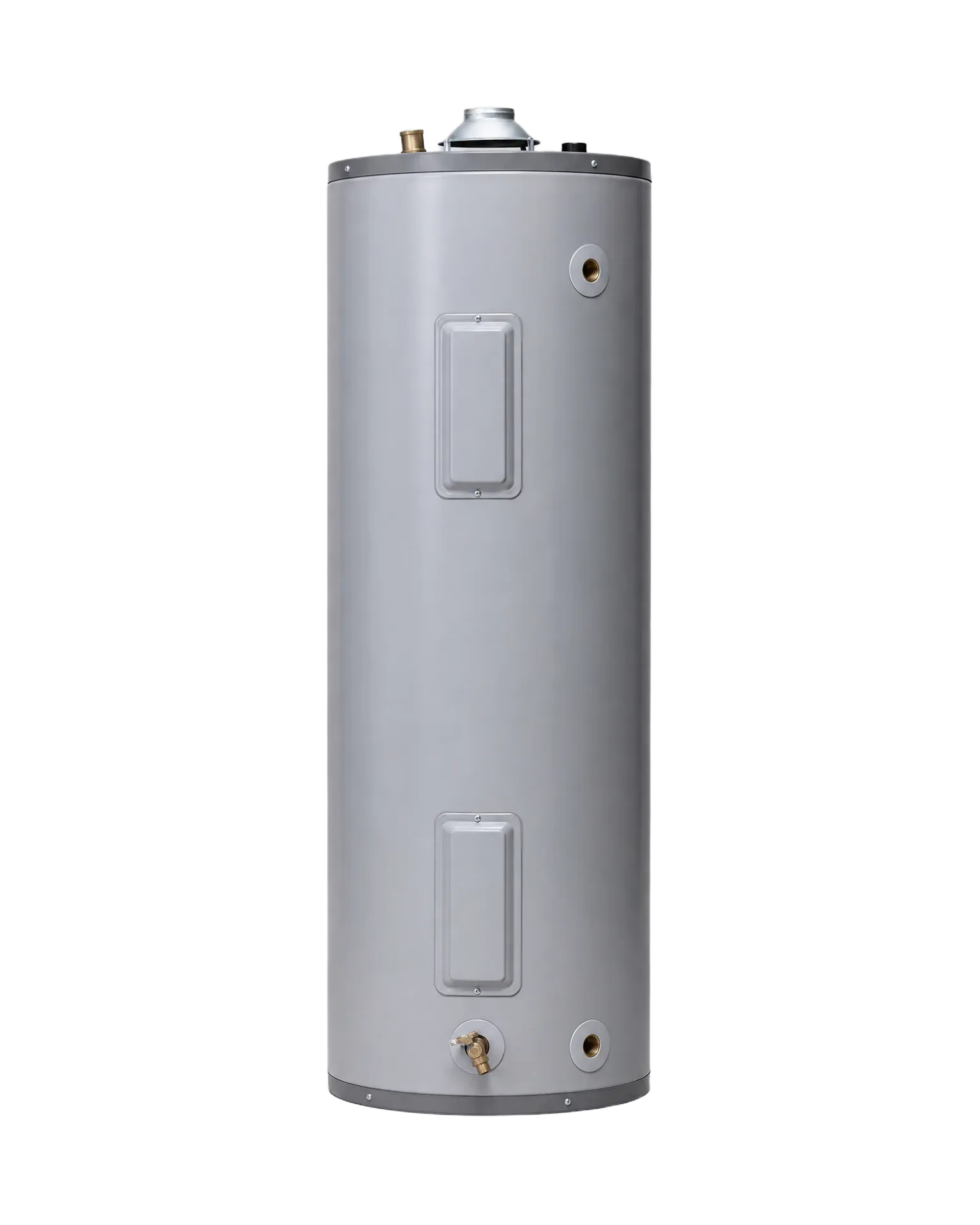
120 degrees is the right setting for most water heaters in Colorado. That holds whether you're in Denver, Grand Junction, or up in the mountains. Hotter doesn't get you more hot water at the tap. It just means the tank is working harder to hold a temperature you're mixing down with cold water anyway, and that extra heat speeds up the wear on the tank, the valve, and the elements inside. Set much below 120 and the water can sit in that lukewarm range where bacteria like legionella can grow, especially if the tank has corners where water doesn't move. Most gas water heaters have a dial right on the front marked low to high rather than in degrees, so you may need a thermometer at the tap to check what you're actually getting. If the dial has been left untouched since the house was built, it's worth checking where it sits.


The dial on a gas water heater is a rough guide, not a thermometer. It sits near the gas valve at the bottom of the tank, and most of them just say warm, hot, and very hot instead of any number. That makes 120 degrees a guess rather than a setting you can dial in directly, so you're usually landing somewhere between the low and medium marks and hoping that lines up. The only way to know for sure is to run the hot tap in the kitchen for a minute, long enough to clear the line, and hold a thermometer under it. If it reads higher than 120, nudge the dial down a notch and check again a few hours later once the tank has caught up. Every tank also has a high-limit switch built in separately from that dial. It's a safety backup that cuts the gas valve off if the water inside gets dangerously hot, regardless of where the dial is set. It won't help you dial in 120, but it's worth knowing it's there. Sediment is the other thing working against you. As it settles on the bottom of the tank, the burner has to run longer to push heat through it to reach the water above, which can make the dial's actual output drift even if you never touch it.
The setting that keeps water hot enough to use without raising your gas bill or risking a scald at the tap.
Common factory setting on new tanks. It runs hotter than most homes need and adds wear nobody asked for.




The pro who reaches out is licensed in Colorado.
Describe your water heater job, and a local pro who handles it gets in touch.
You're not committing to anything by asking.
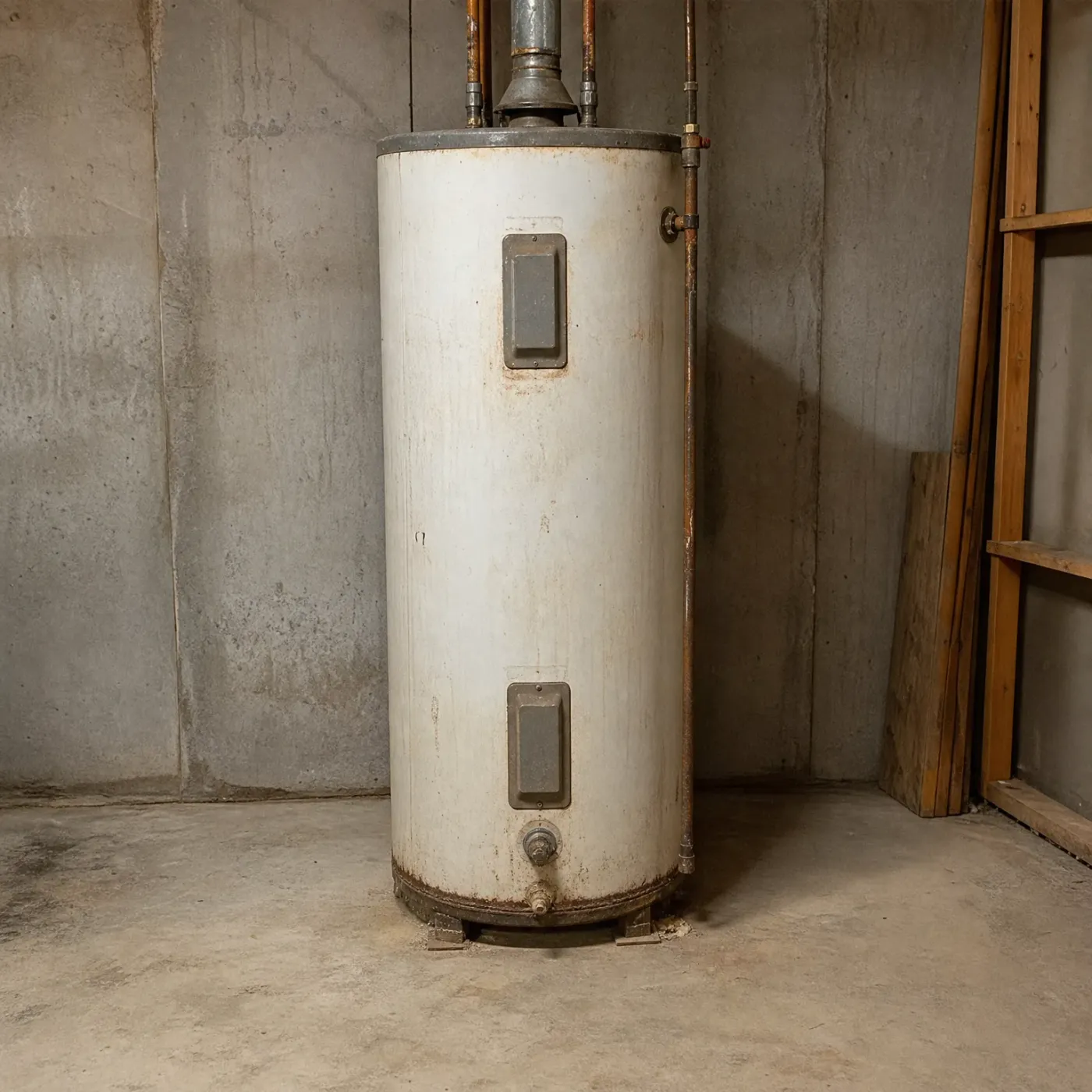
Run the tap and see how fast it goes from warm to too hot to touch. If a few seconds does it, the tank is probably set above 120. You might also notice the tank making more noise than it used to, a rumble or popping as it heats, which usually means sediment building up on the bottom from the extra cycling. Some households just see it on the gas bill, a little higher than it should be for how much hot water they actually use. None of this ruins anything overnight. But a tank that keeps running hotter than it needs to wears its burner and heating element faster, and that's what turns a small adjustment now into a repair later.
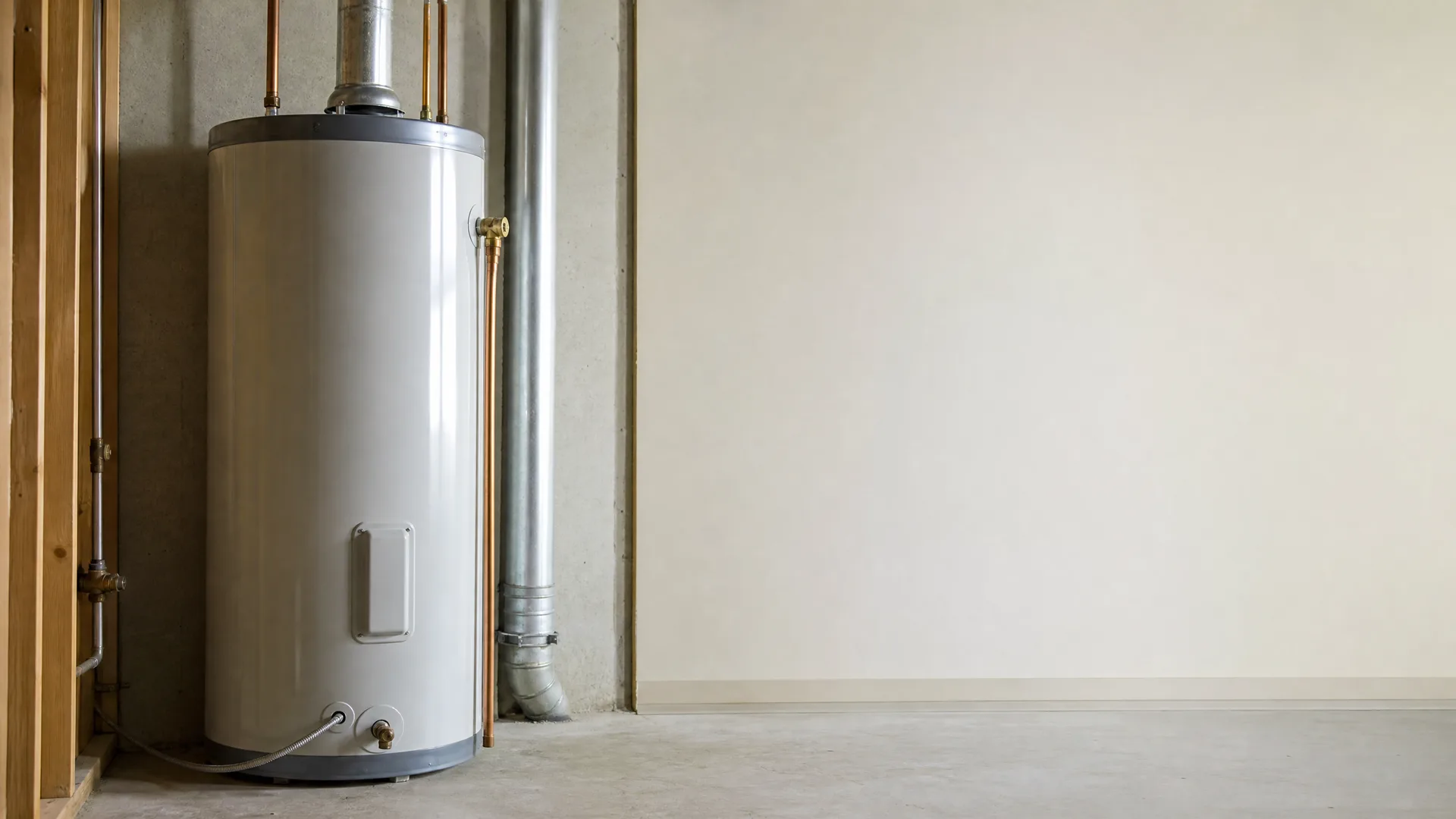
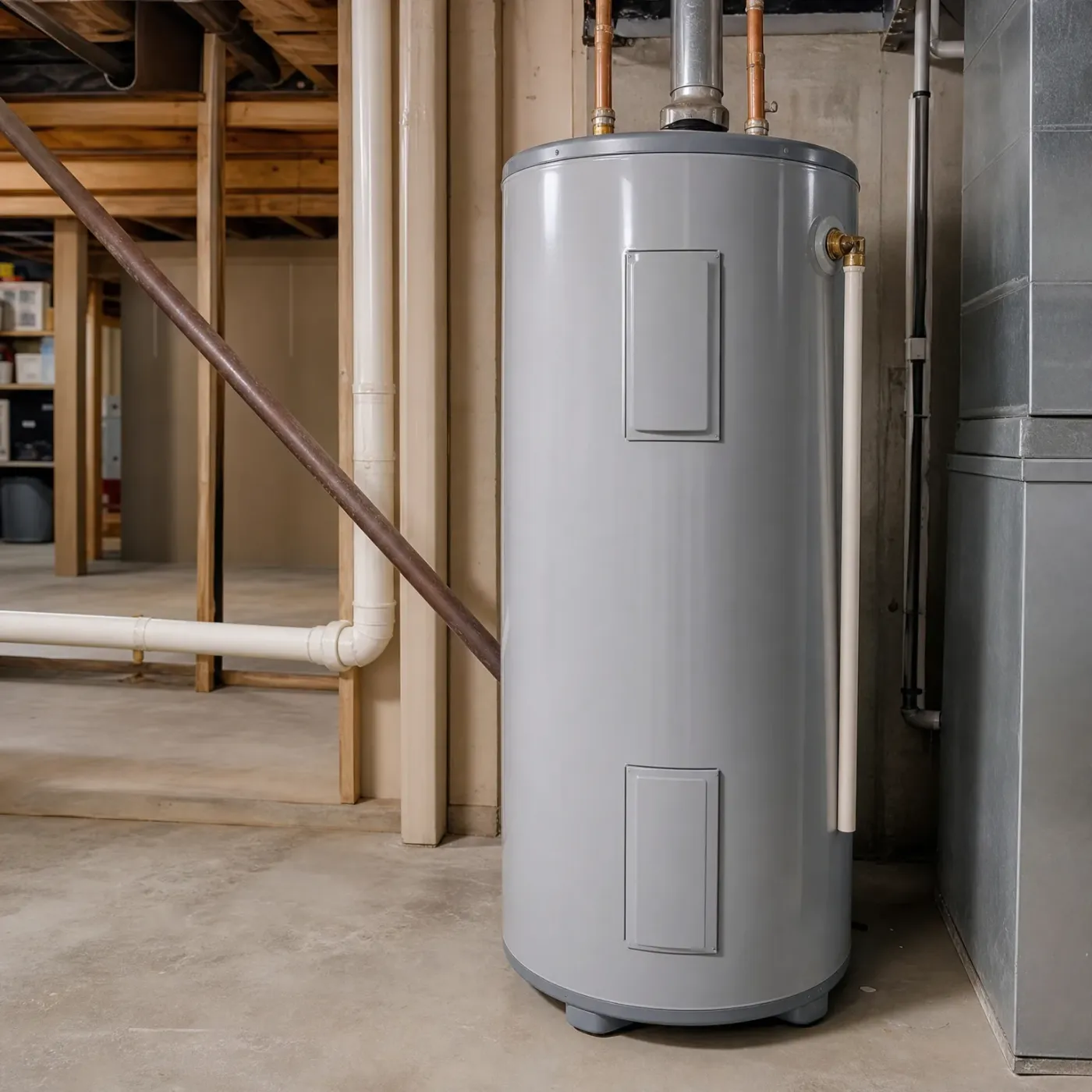
A thermostat that never gets touched is one less thing to think about. Once the dial sits where it belongs, the tank just does its job through the year, Grand Junction's dry summer heat and the cold months up in the mountains alike. You're not out there adjusting it every season. The only reason to go back to that dial is if someone bumped it or a new tank got installed with the factory setting still on it.
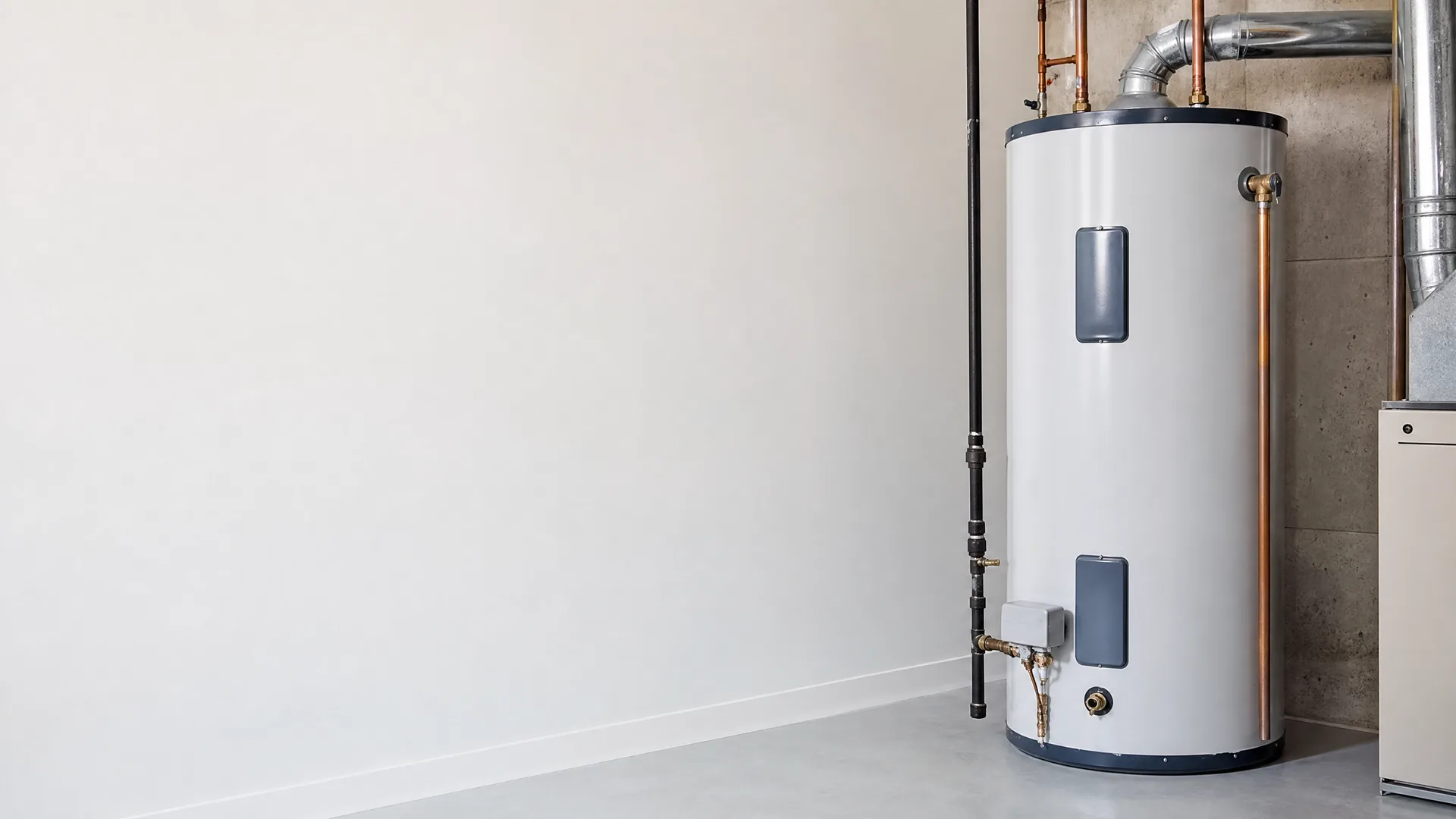
A tank running at 140 instead of 120 is working through a problem quietly, for months, before anyone notices. The burner or element cycles more to hold that higher temperature, and the tank takes the wear for it. Sediment builds faster at higher heat too, which gives the burner even more to push against. Nobody's watching the dial day to day, so it just keeps running hot until a slow leak, a strange noise, or a gas bill that's crept up gets someone's attention.
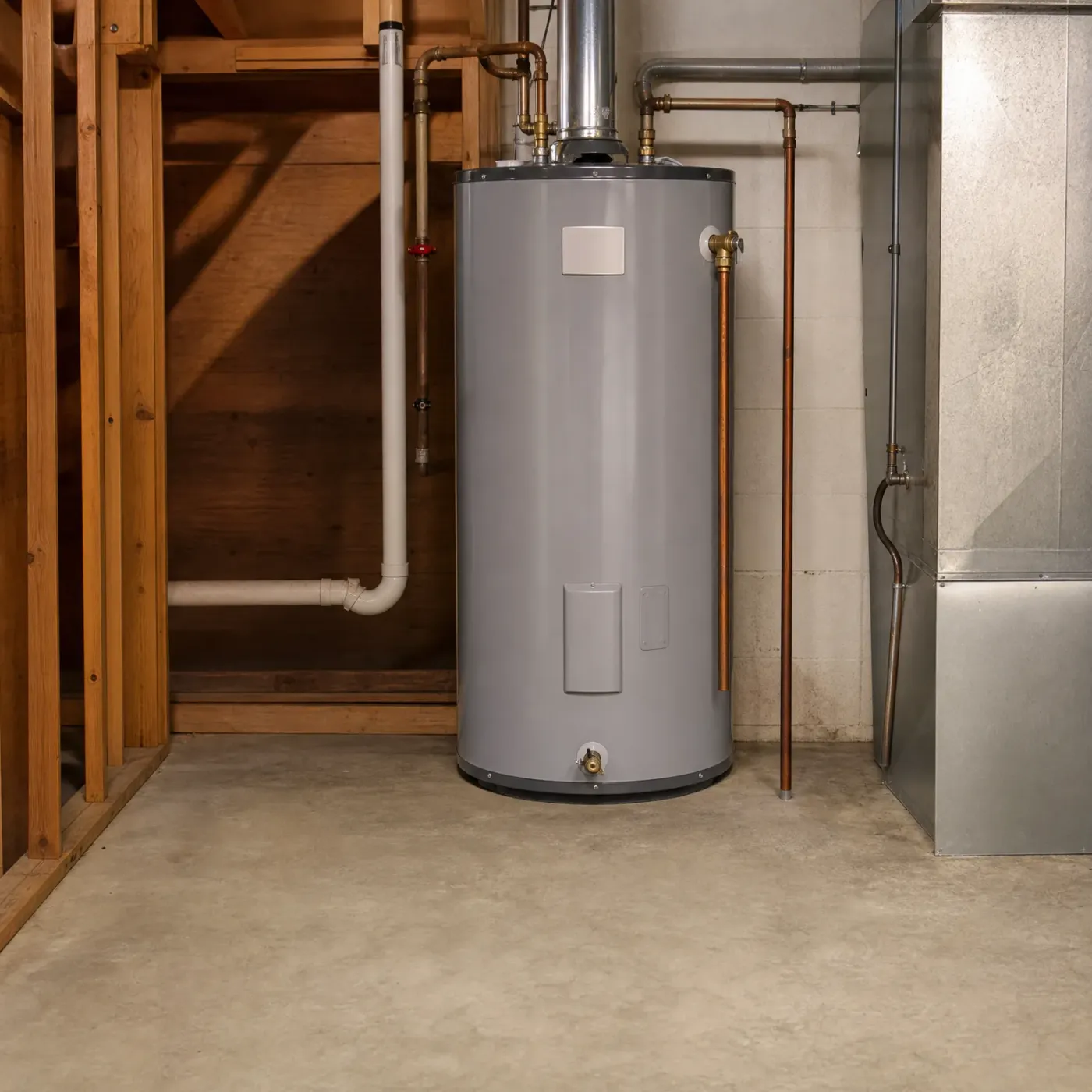
Most houses in Colorado run a gas water heater, same as they run a gas furnace. That dial near the bottom of the tank works the same way all year, through the dry summer heat and the cold months, so getting it set to 120 once means it's right whether the burner's working hard in January or barely kicking on in July.
ACS 2020-2024 5-year B25040

That's the number. Set the dial between low and medium, run the tap, and confirm it with a thermometer if you want to be sure. Once it's right, it stays right until something changes it, a pilot relit after a power outage, a dial bumped while someone's down there for something else.
A tank that gets looked at occasionally catches that kind of drift before it turns into a higher gas bill or a burner that's working harder than it needs to. A local contractor who services water heaters through the dry Colorado summers and the cold mountain winters knows what that dial should read and what else on the tank tends to need attention at the same time. Get matched with one, and they'll reach out to look at yours.

Only one pro gets your request, so you hear from one company.