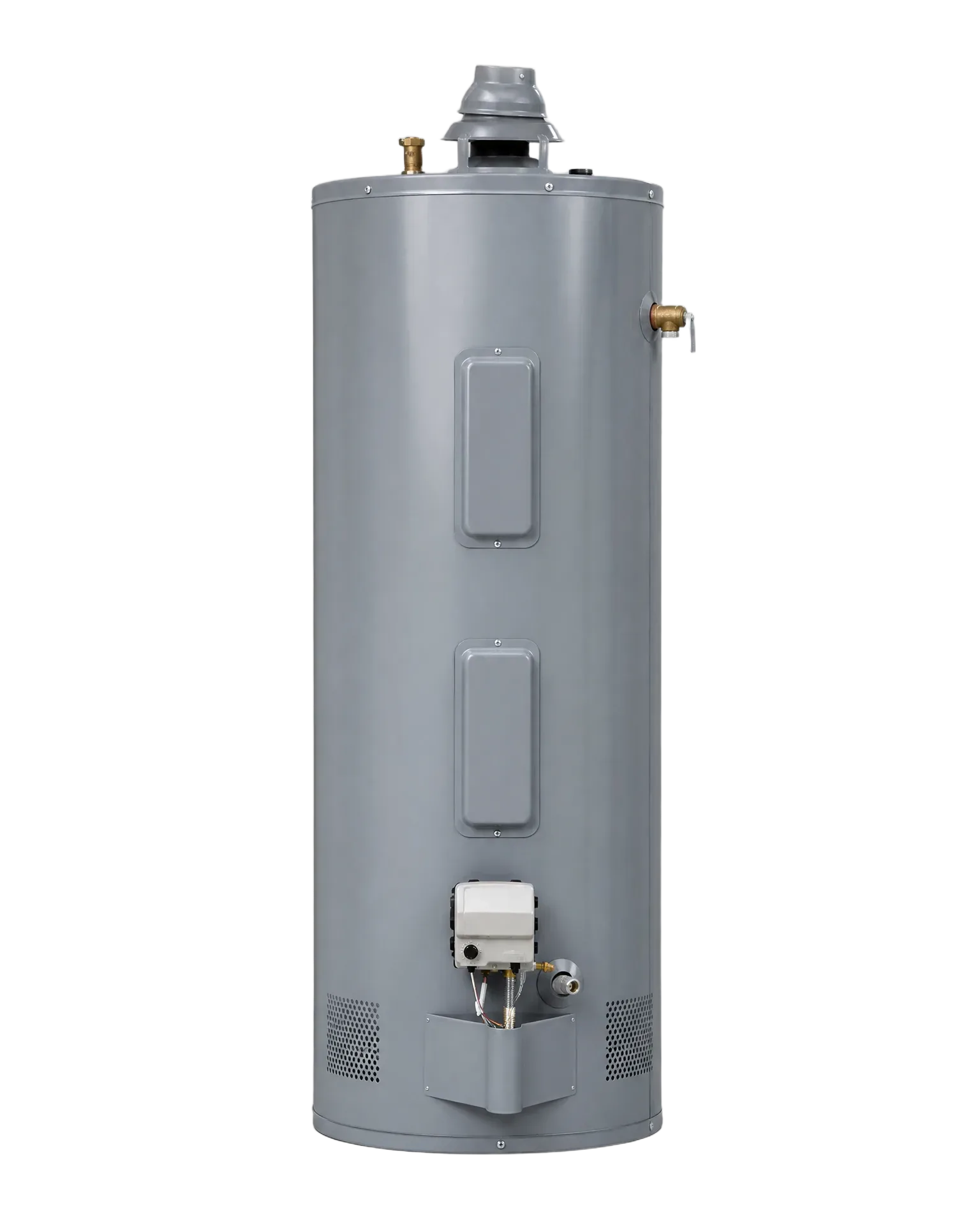
Running out of hot water fast usually means your tank is too small for how your household uses it, or the lower heating element or burner has failed and only the top of the tank is heating. In most Colorado homes the water heater runs on gas, and a gas water heater that's lost its pilot or has a bad thermocouple will give you a tank of lukewarm water at best. Sediment is another common cause here. It settles at the bottom of the tank over time, and a thick layer of it sits between the burner and the water, so the burner heats the tank liner instead of your water. If the water goes from hot to cold in a matter of minutes rather than gradually cooling, that points to a heating element or burner problem rather than the tank simply being undersized. Either way, it's a repair a licensed plumber can usually diagnose by checking the burner, the thermocouple, and how much sediment has built up.


Why does the hot water only last ten minutes now
You notice it in the second shower of the morning, the water turning cool while someone is still rinsing off. Or the tub takes forever to fill warm and goes cold before it's halfway there. Run the kitchen tap hot while the dishwasher is going and the same thing happens faster than it used to. If this is new, something changed, a burner that's not holding a flame the way it should, or a tank quietly filling with sediment that leaves less room for actual water. Left alone, a failing burner can stop heating altogether, and a tank that struggles to keep up tends to get worse, not better, until someone is showering in cold water.


Too Small, or Something Failed
Tank size problem
- If your household added people or showers got longer, the same tank that worked before will come up short now.
- A tank sized for two people runs out fast once a third or fourth person starts showering back to back.
- This shows up as a pattern: hot water lasts about as long every day, then runs cold at the same point each time.
- Running the dishwasher or a load of laundry while someone showers will empty a borderline tank faster.
- A bigger gas tank or a tankless unit are both ways a contractor can size the fix to how your home actually uses hot water.
Heating element or burner failure
- If hot water used to last and now cuts out early, something changed inside the tank rather than in how your household uses it.
- On a gas water heater, a failed burner or a bad thermocouple means the tank stops heating altogether, not just runs short.
- If the water turns lukewarm rather than cold, that can point to a failing part rather than a tank that's simply too small.
- This kind of failure tends to get worse, so a tank that's giving you less hot water each week is usually heading toward none.
- A contractor who works on these units all summer can usually tell within a few minutes whether it's the tank or the equipment.
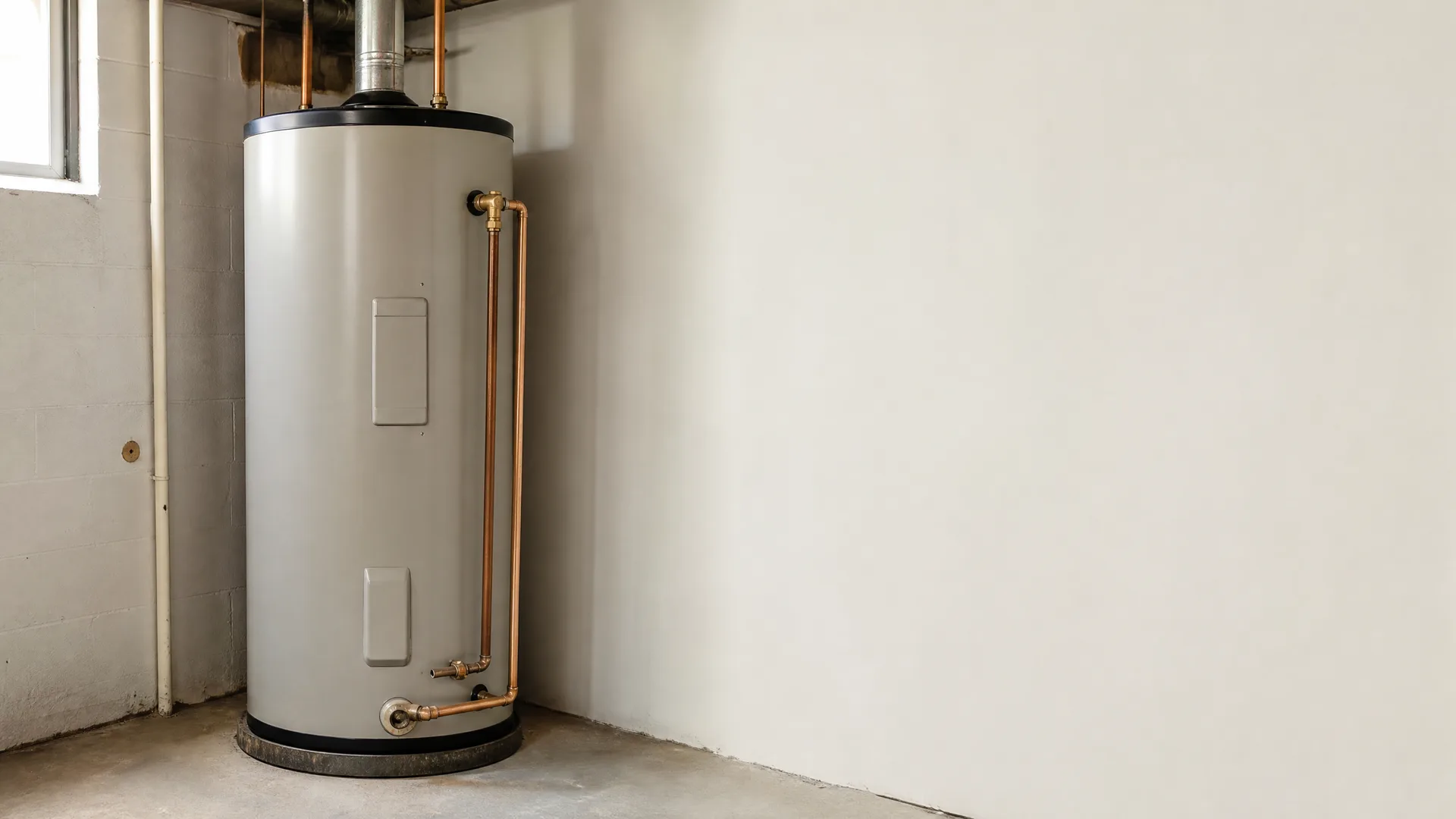
How a gas water heater heats
A gas water heater has one burner at the bottom of the tank. Cold water comes in at the bottom and sinks, so the burner heats the water right where it enters. As that water warms, it rises, and the tank draws from the top to supply your taps. If the burner can't keep pace with how fast hot water leaves the tank, the incoming cold catches up to what's being drawn, and the water at the top turns lukewarm then cold.
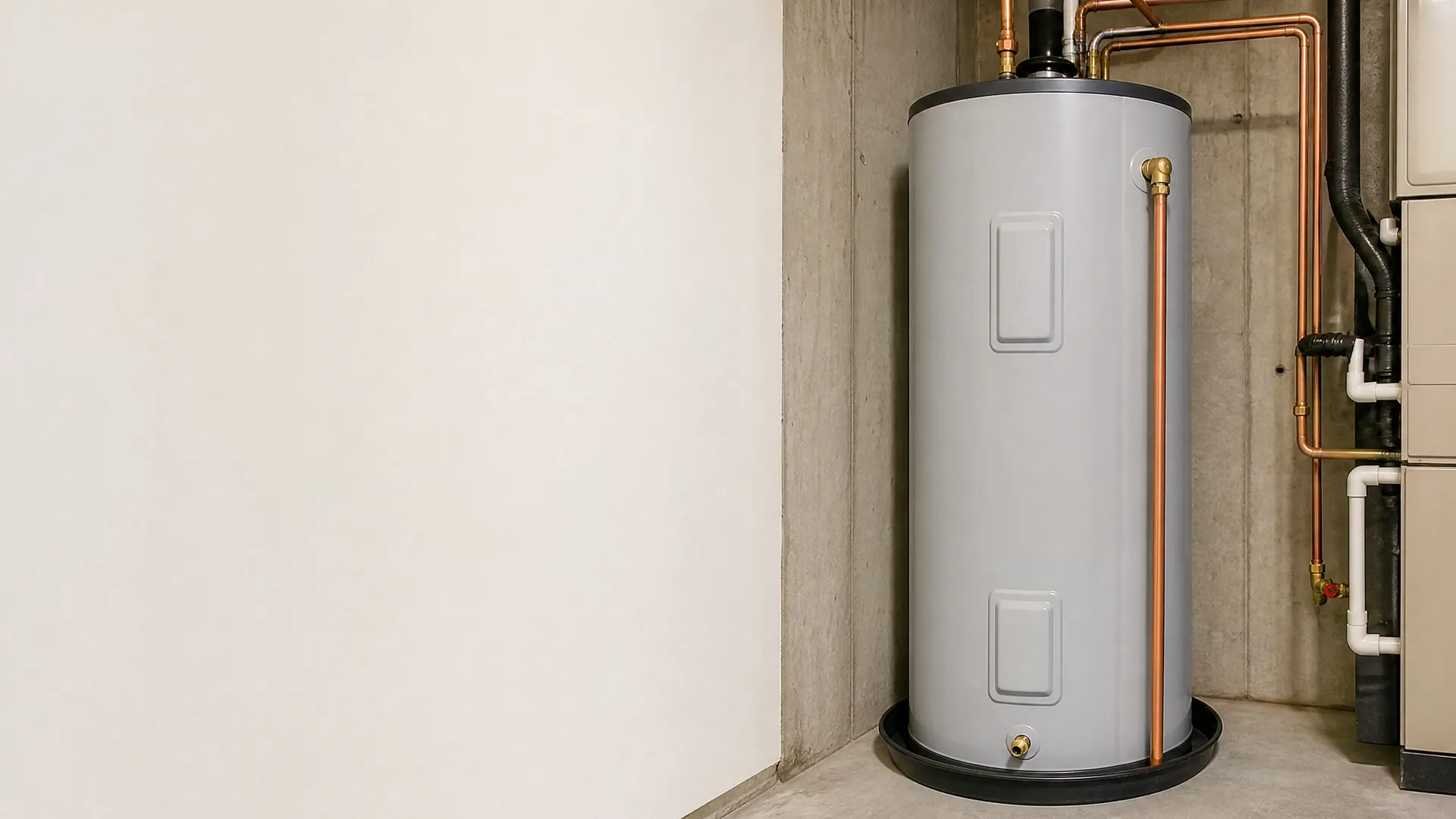
What the thermostat is doing
Gas water heaters use a thermostat near the bottom of the tank to sense water temperature and signal the burner. If that thermostat reads wrong, the burner can shut off before the tank is fully heated, or run longer than it needs to. A thermostat that's drifted out of calibration will make the tank behave as though it holds less water than it actually does, which looks exactly like running out of hot water early.
66.4% of homes statewide heat with gas
Most houses in Colorado heat water with a gas burner under the tank, not an electric element. That burner has to relight every time the thermostat calls for heat, so if it's failing to catch or staying lit only part of the time, the tank never gets back up to temperature between uses.
ACS 2020-2024 5-year B25040




Hand off the water heater problem
A tank that's running short isn't something to live with through another Colorado winter, when the incoming water is colder to start and the burner has to work harder just to keep up. If the burner's only lighting part of the time, or the dip tube's broken and cold water is mixing straight into the top of the tank, that's a repair job, not a sign the tank's worn out. A plumber who works on gas water heaters around here all year knows which of those two it usually is before they even pull the panel off, because they've seen it on the last call too. Sending the request puts it in front of one local contractor, not a handful competing for the job, and from there it's off your plate. You stop guessing whether it's the burner, the element, or just too many people showering before work, and get back to showers that stay hot the whole way through.
What this comes down to
- Short hot water almost always traces to one of two things: a tank too small for how the house uses it now, or a failed burner and dip tube that stop the tank from fully heating or fully filling.
- A gas burner that lights part of the time or a dip tube that's cracked will keep the tank running short no matter how carefully the household rations showers.
- A licensed local contractor who services water heaters all year in Colorado knows which of these two causes to check first and can tell the difference in one visit.
- Sending one request means one contractor calls, not a handful of companies competing for the job, so you're not stuck fielding calls all afternoon.
- Colder incoming water through the winter months makes a weak burner or a bad dip tube show up faster, so the problem tends to get worse, not better, on its own.
- Once you know whether it's the tank size or a failed part, the fix is usually straightforward for someone who works on this equipment every week.
Short hot water comes down to one of two things. Either the tank was never big enough for the household now using it, or the burner and dip tube have failed and the tank isn't heating or filling the way it should. Both show up the same way, water turning cold partway through a shower, but they call for different fixes, and guessing wrong means paying for a repair that doesn't solve it.
A local contractor who works on gas water heaters all winter in Colorado has seen both causes often enough to know which to check first. They'll look at the burner, check whether it's lighting fully and staying lit, and pull the dip tube before assuming the tank itself is undersized. That's the kind of call that's hard to make from a description over the phone but quick to settle in person.
Sending one request means one contractor takes the job, not several companies calling to compete for it. You explain the problem once, to someone who's going to be standing in front of the tank anyway.
Colorado winters don't make this easier. Colder water coming into the tank means a weak burner or a cracked dip tube has more work to do just to keep up, so a problem that's been nagging all fall tends to get worse once the cold really sets in. It won't fix itself, but once you know whether it's the tank or the part, the repair itself is usually straightforward.

Water Heater Repair
Send one request and you're done looking

- Describe your water heater job, and a local pro who handles it gets in touch.
- Say what's going on with your water heater, and a pro who works on them reaches out.

- Send the request and finding a pro stops being your problem.
- After this form, you can stop searching for a water heater pro.

- Answer a few questions instead of calling shop after shop.
- Describe your water heater job once, to one pro.

- Only one pro gets your request, so you hear from one company.
- Your request stays with one local pro.