

Why your hot water is lukewarm in Colorado
Describe your water heater job, and a local pro who handles it gets in touch.
Find a water heater proWhy is my hot water lukewarm instead of hot?
You turn on the tap expecting hot water and get something in between, not cold, not hot. It is enough to make a shower uncomfortable but not enough to tell you plainly what is wrong. Most of Colorado heats water with gas, so you are probably looking at a tank with a burner under it, and something in that system is not keeping up anymore.
A failing heating element or a bad thermostat is usually the cause
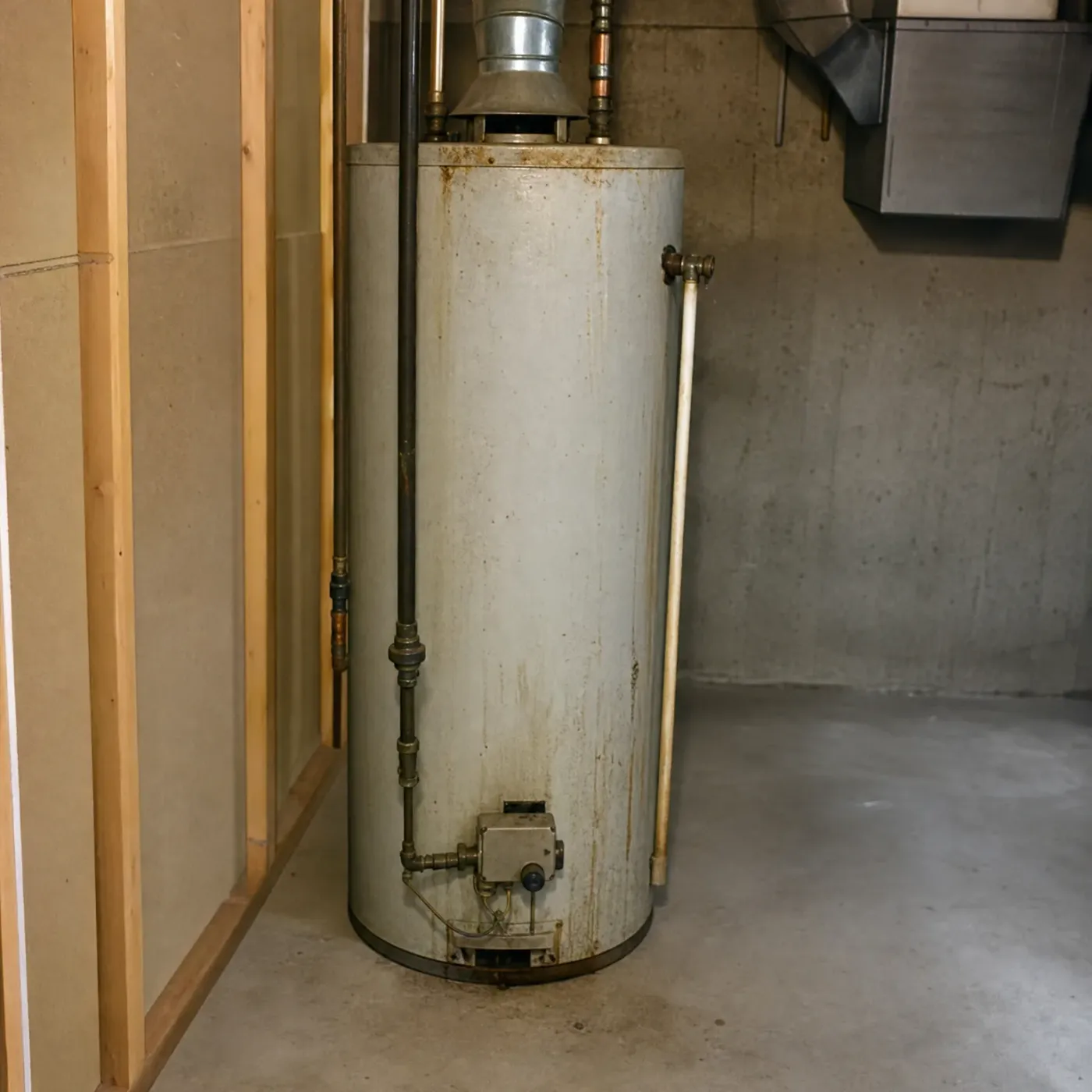
On a gas water heater, lukewarm water usually means the thermostat is misreading the tank temperature or the burner is not staying lit long enough to heat the full tank. Sediment built up on the bottom of the tank can also sit between the burner and the water, so the flame heats the sediment instead of the water above it. On an electric unit, one of two heating elements can fail while the other keeps working, which gives you water that is warm but never hot. Any of these gets worse over time, not better, so the lukewarm water you have now is likely to turn cold on the same schedule if nothing changes.
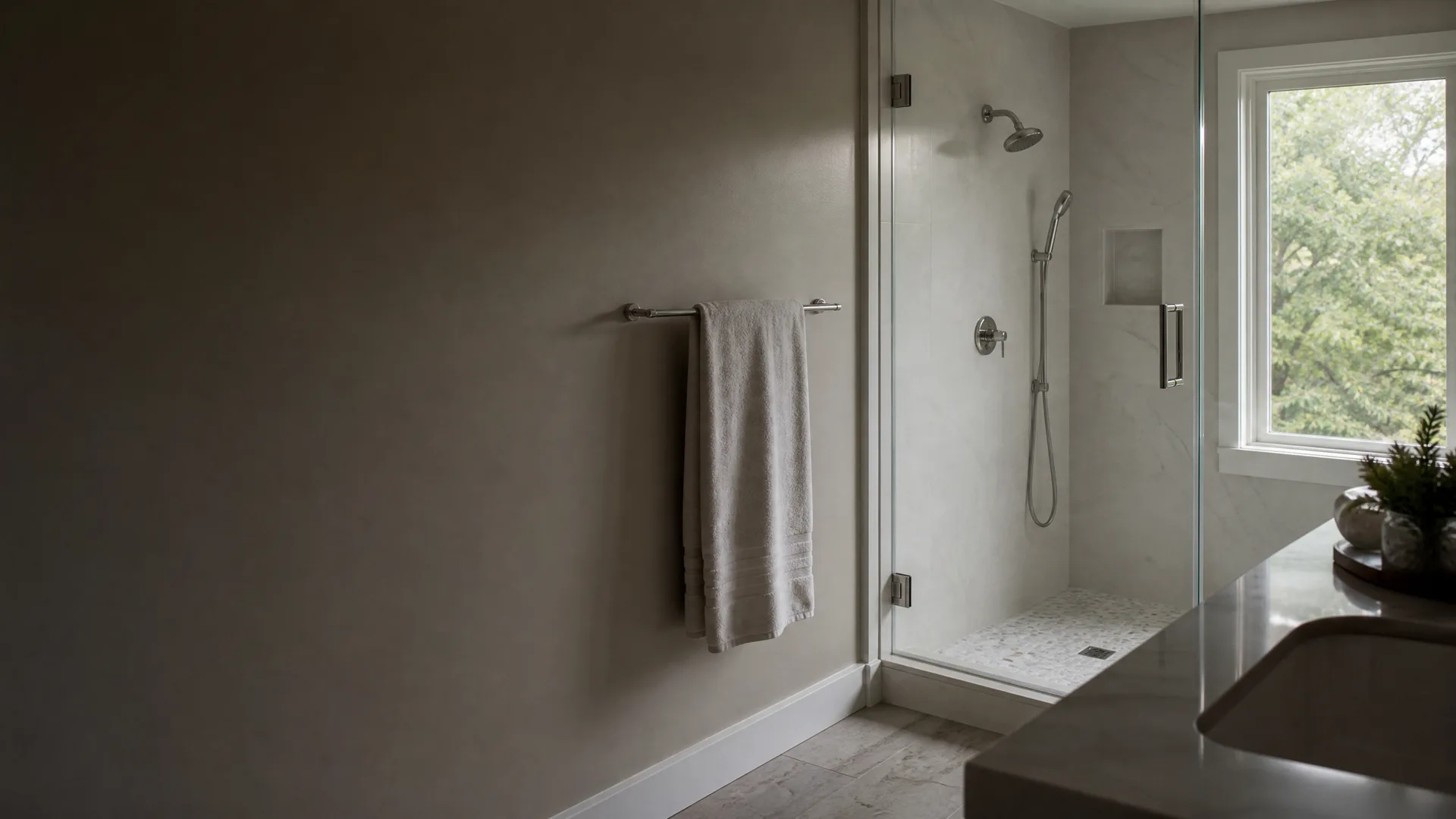
Monday, before work. You step into the shower and there's no steam rising off the water, just a thin warmth that fades fast. The towel is still on the rail, untouched. You turn the handle further toward hot and nothing changes. Outside the air is already warming up, the dry Colorado sun coming through the window, but that doesn't help you standing here. You cut the shower short, rinse off quick, and stand there a second longer than you meant to, hand under the water, waiting for it to turn into something it isn't going to become this morning.
Gas or Electric: Where the Fault Is
Gas water heater
- A thermocouple or flame sensor that's failed will let the pilot go out, and once it's out the tank just coasts on whatever heat is left.
- A burner that's dirty or misaligned can still light but won't put out enough flame to heat the full tank between draws.
- The gas valve itself can wear out and stop regulating properly, so the burner runs weak even though it's getting fuel.
- Sediment built up on the bottom of the tank sits between the burner and the water, so the flame is heating sediment instead of water.
- A thermostat set correctly can still read wrong if the sensing element is failing, telling the burner to shut off too soon.
Electric water heater
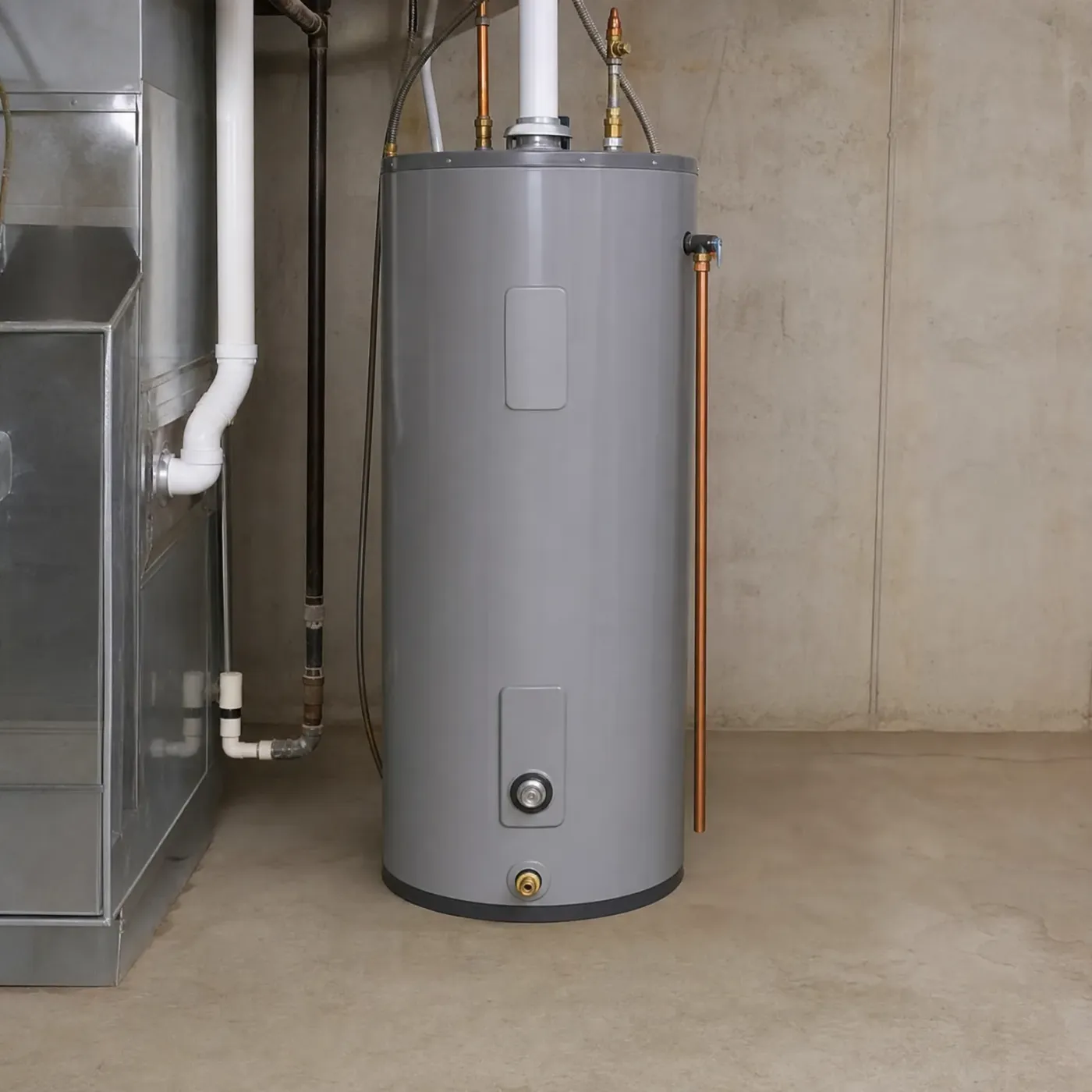
- One of the two heating elements can fail while the other keeps working, which is why you get some hot water but it runs out fast or never gets fully hot.
- A tripped high-limit switch will cut power to the elements as a safety measure, and it won't reset on its own.
- Mineral buildup coating an element forces it to work through a layer of scale, so it heats slower and less completely.
- A bad thermostat on the upper or lower element can keep that element from firing at the right time, leaving the water half warmed.
- Loose wiring at the element terminals can cause it to undervolt and heat weakly instead of failing outright.




What's happening in your bathroom right now
You run the tap longer than you used to, hoping it warms up more. It doesn't. The water hits a middle temperature and stays there whether you turn the handle a quarter turn or all the way. A shower that used to run through your whole morning routine now turns lukewarm halfway through, so you rush the rest. If anyone in the house showers after you, theirs is worse. Dishes done by hand don't quite cut grease the way they should. None of this is dangerous by itself, but a gas water heater that's lighting poorly or losing heat partway through a tank is a sign something in it is wearing out, and left alone it tends to go from inconsistent to not working at all.


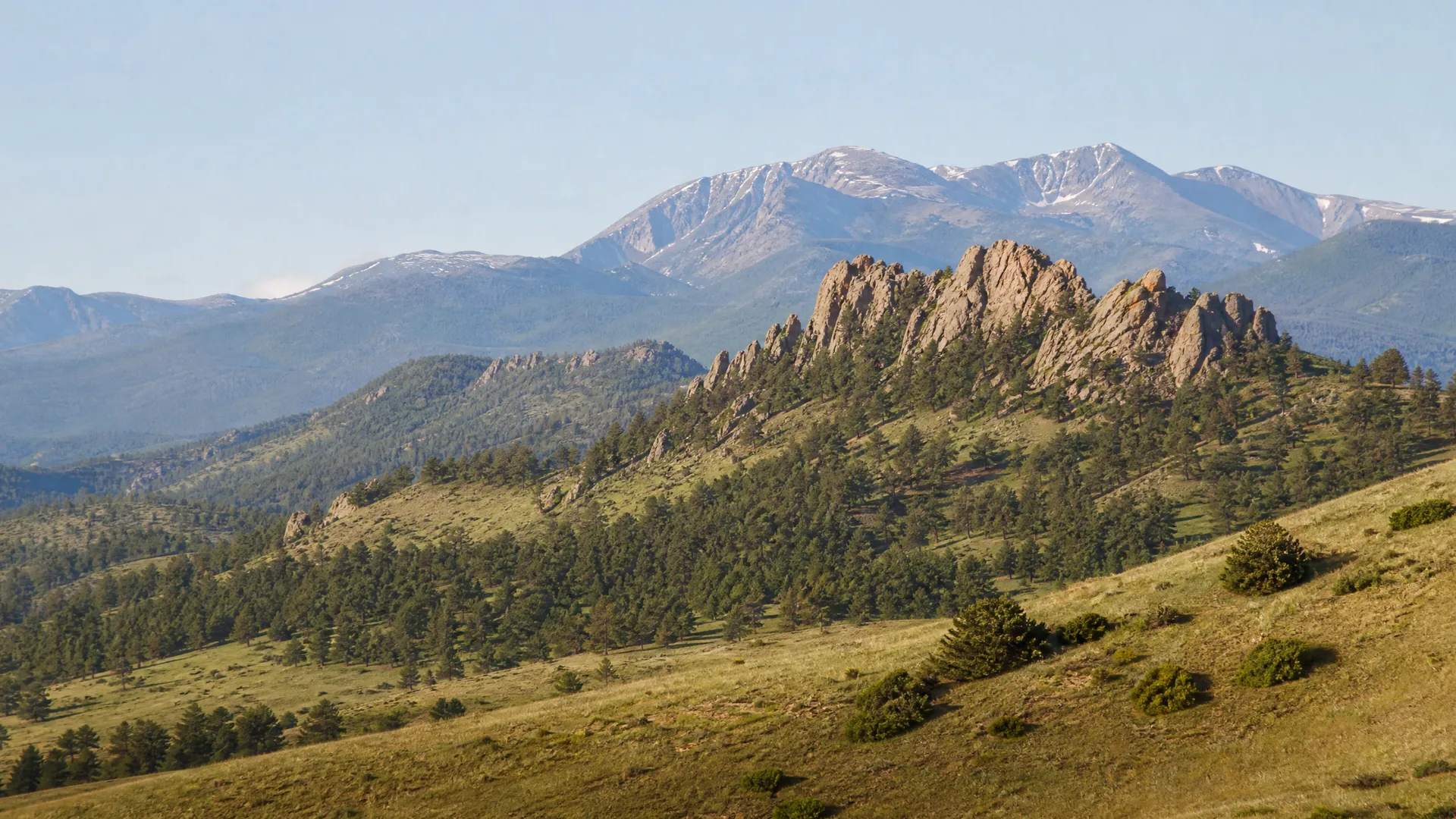
Burner or element heats water at the bottom of the tank.
A thermostat checks the water against its set temperature.
A failing part cuts that heat short partway through.
The tank mixes hot and cold into one lukewarm layer.
Matched to your water heater job

Send the request and finding a pro stops being your problem.
No fee to send it, and nothing to sign.
A gas tank with a bad thermocouple is not losing efficiency, it is only half working. The burner still needs a full flame cycle to carry the tank through a 40 or 50 gallon recovery.
Cut that cycle short and the tank never finishes the batch. What comes out of the tap is a mix of what did get heated and what didn't, and that's the lukewarm water you're standing in.
66.4% of homes statewide heat with gas
Most houses in Colorado heat water with a gas burner under the tank, not an electric element inside it. That burner needs a full, steady flame to get a 40 or 50 gallon tank all the way hot. A thermocouple or burner that's struggling will still light, just not enough to finish the job.
ACS 2020-2024 5-year B25040
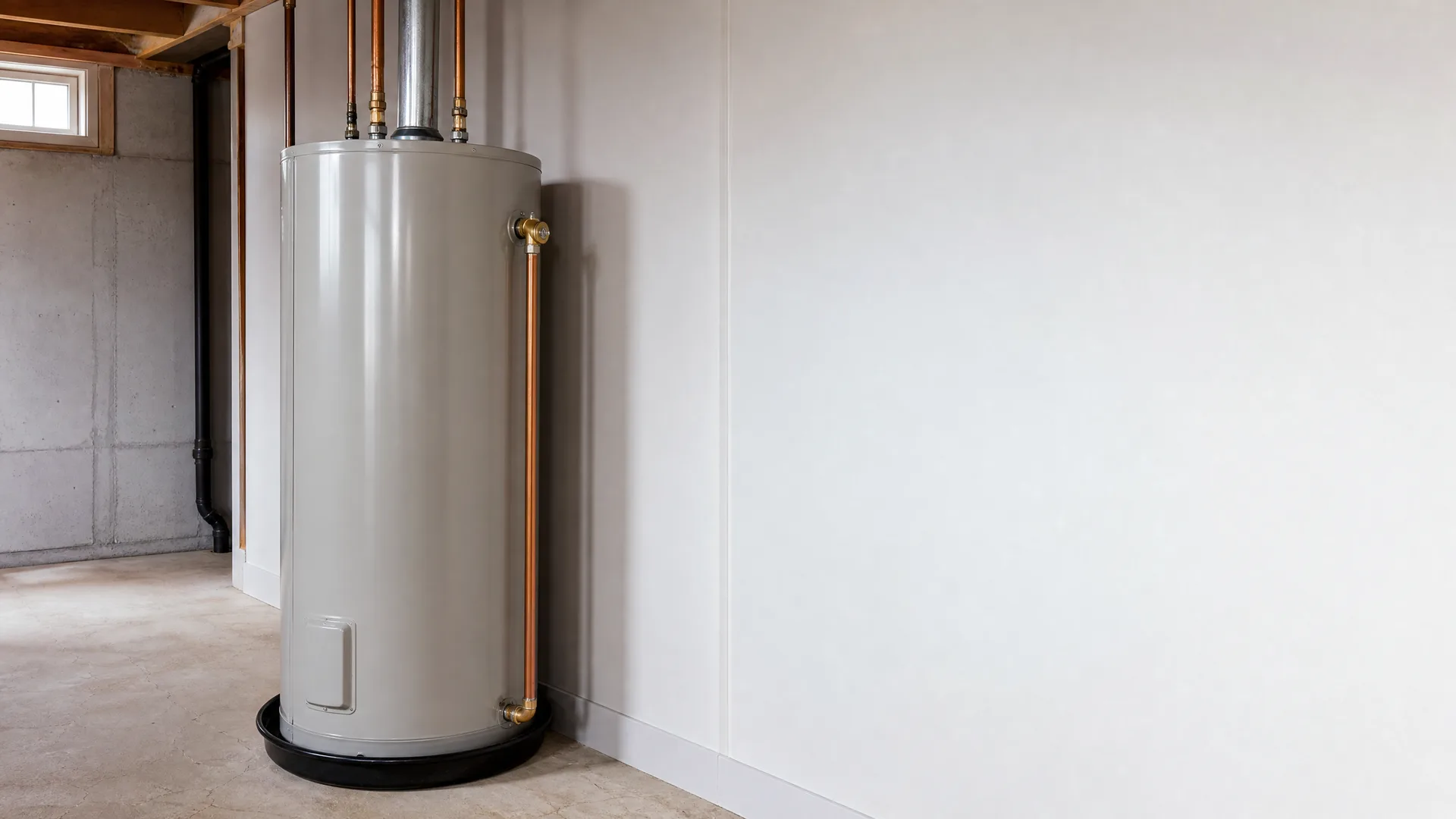
Waiting on the next tank to recover
Right now a weak burner has to fight through the same recovery cycle every time the tank empties out, and it keeps losing partway through. You can space out showers, run smaller loads, try to time things, and still land in the same lukewarm water because the part causing it hasn't changed. Nothing about waiting fixes a thermocouple that won't hold a pilot or a burner that can't carry a full flame through the cycle.
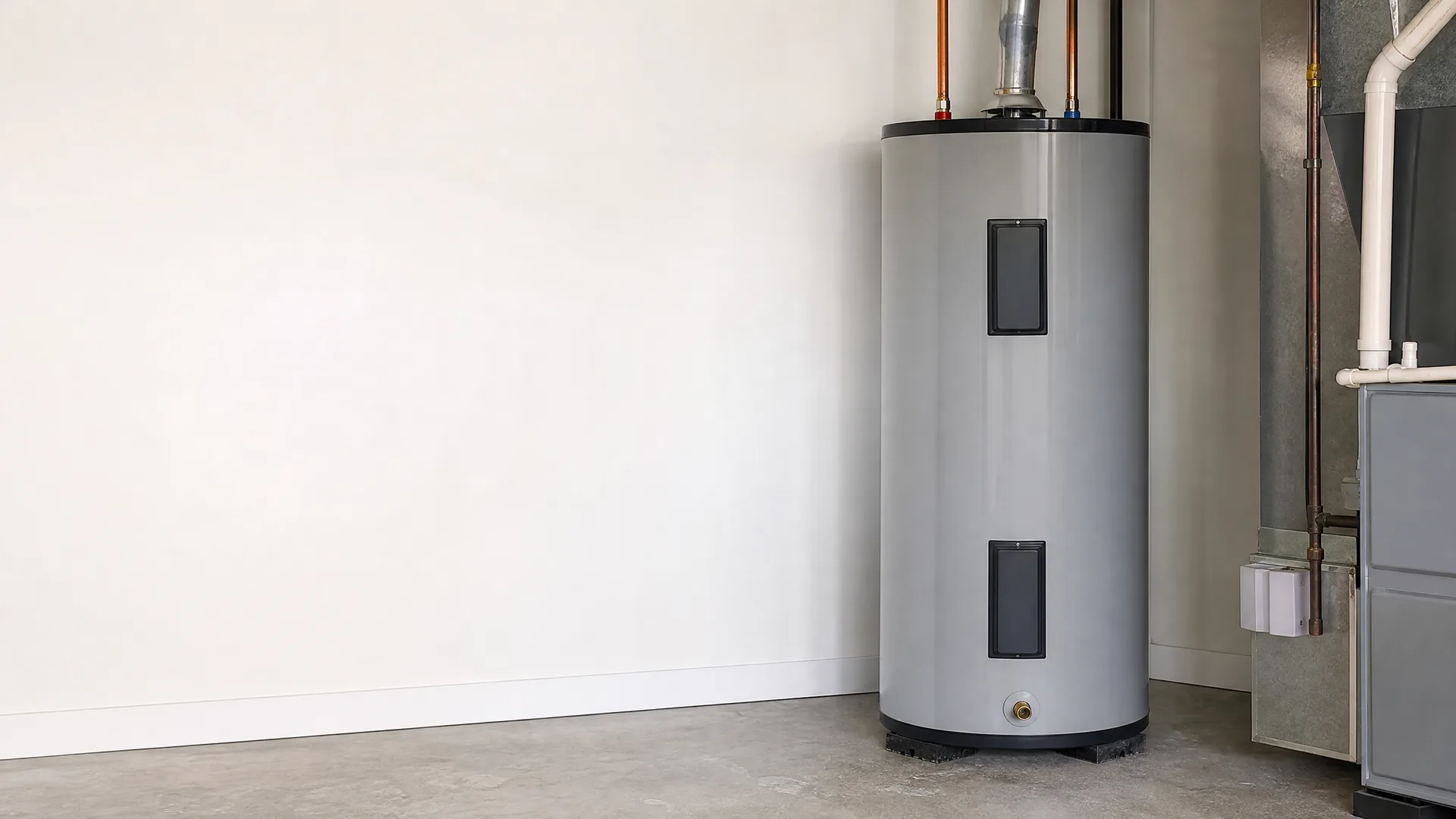
Once it's actually fixed
A full flame cycle means the burner carries the tank all the way to temperature instead of quitting halfway through. The water coming out of the tap matches what the thermostat is set to, not some blend of hot and whatever was left over. You stop checking the water with your hand before you step in. Getting there starts with sending the form, and from that point finding the right contractor is off your plate. Someone who works on gas water heaters reaches out to you directly.
Lukewarm water in a gas tank almost always traces back to a burner or thermocouple that can light but can't carry a full recovery cycle. That's a part problem, not a habit to work around, and no amount of spacing out showers fixes it. A contractor can check the flame, the thermocouple, and the burner itself and tell you which one is falling short. Once you send the form, you're not the one tracking down who's available or chasing a callback. That part is off your plate. You'll be matched with a contractor who handles water heater repair and hears from you directly, and from there it's their job to sort out the burner and get the tank back to heating a full batch instead of half of one. Colorado's dry heat this summer doesn't change what's wrong under the tank. The fix is the same whether it's July or January: get the part that's failing in front of someone who can replace it, and stop guessing at workarounds for a problem that was never about how you use the water.

Water Heater Repair
A water heater pro near you

- Tell a local repair pro what your water heater is doing.

- One request and the search for a pro is handled.
- Send it once and finding someone is no longer on you.

- Fill out one short form instead of calling around.
- Explain the job once and skip repeating it on every call.

- The pro who reaches out is licensed in Colorado.
- Only one pro gets your request, so you hear from one company.