Magnesium rods react more
A magnesium anode rod reacts faster with bacteria in the tank than an aluminum one, so switching rod type can cut the smell down without replacing the tank.

That rotten egg smell is hydrogen sulfide gas, and it forms when the anode rod inside your water heater reacts with bacteria in the tank. Those bacteria feed on sulfur compounds that are naturally in groundwater, and Colorado's water supplies carry enough of them in some areas to feed that reaction once a tank sits warm for a while. Gas water heaters are especially prone to this because the tank holds water at a steady temperature day after day, giving the bacteria a stable place to grow. The smell usually means the anode rod has broken down enough that it is no longer protecting the tank the way it should, or that the bacteria have built up in the sediment at the bottom. Left alone, the smell won't go away on its own, and the rod will keep corroding until it needs replacing along with whatever else the tank has picked up.
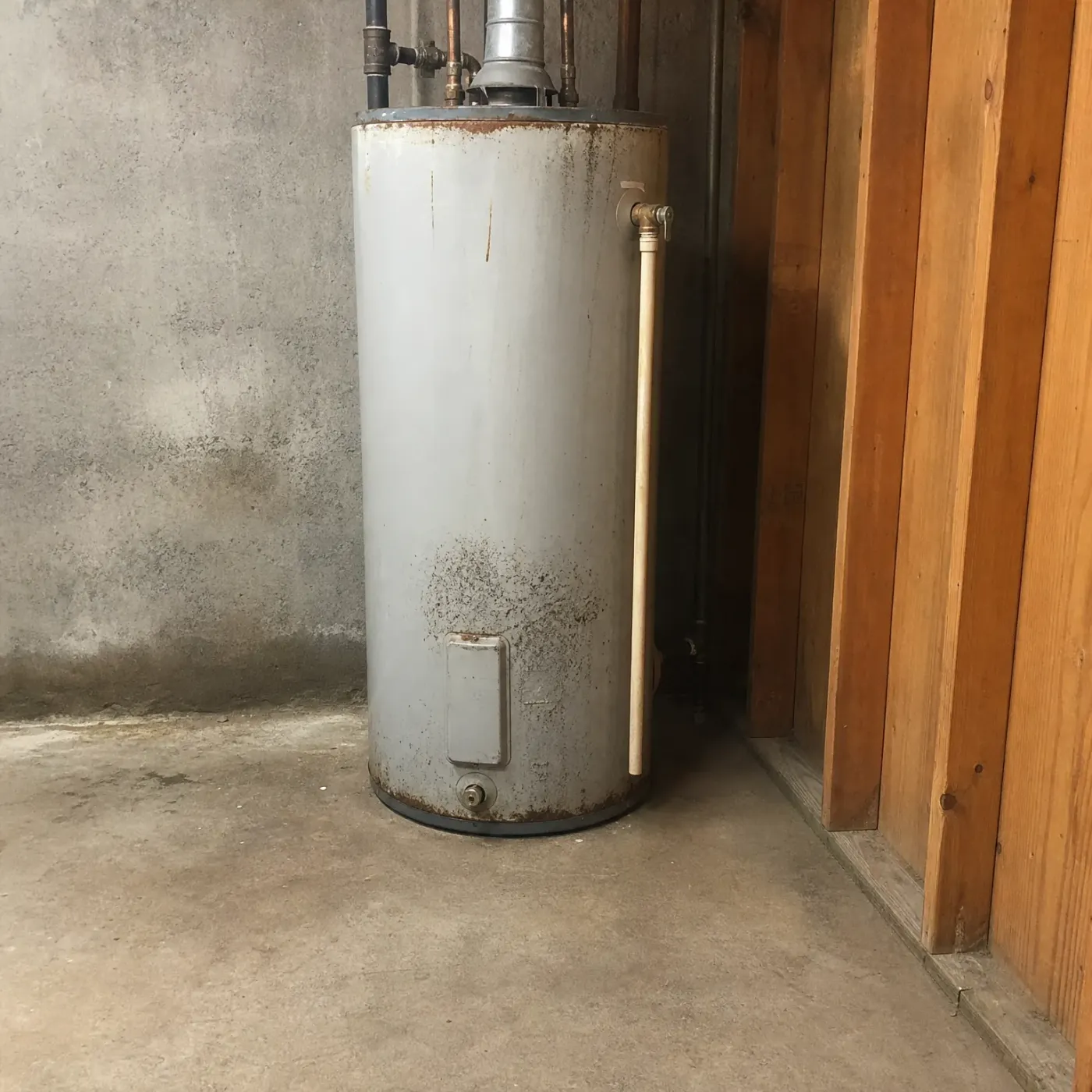
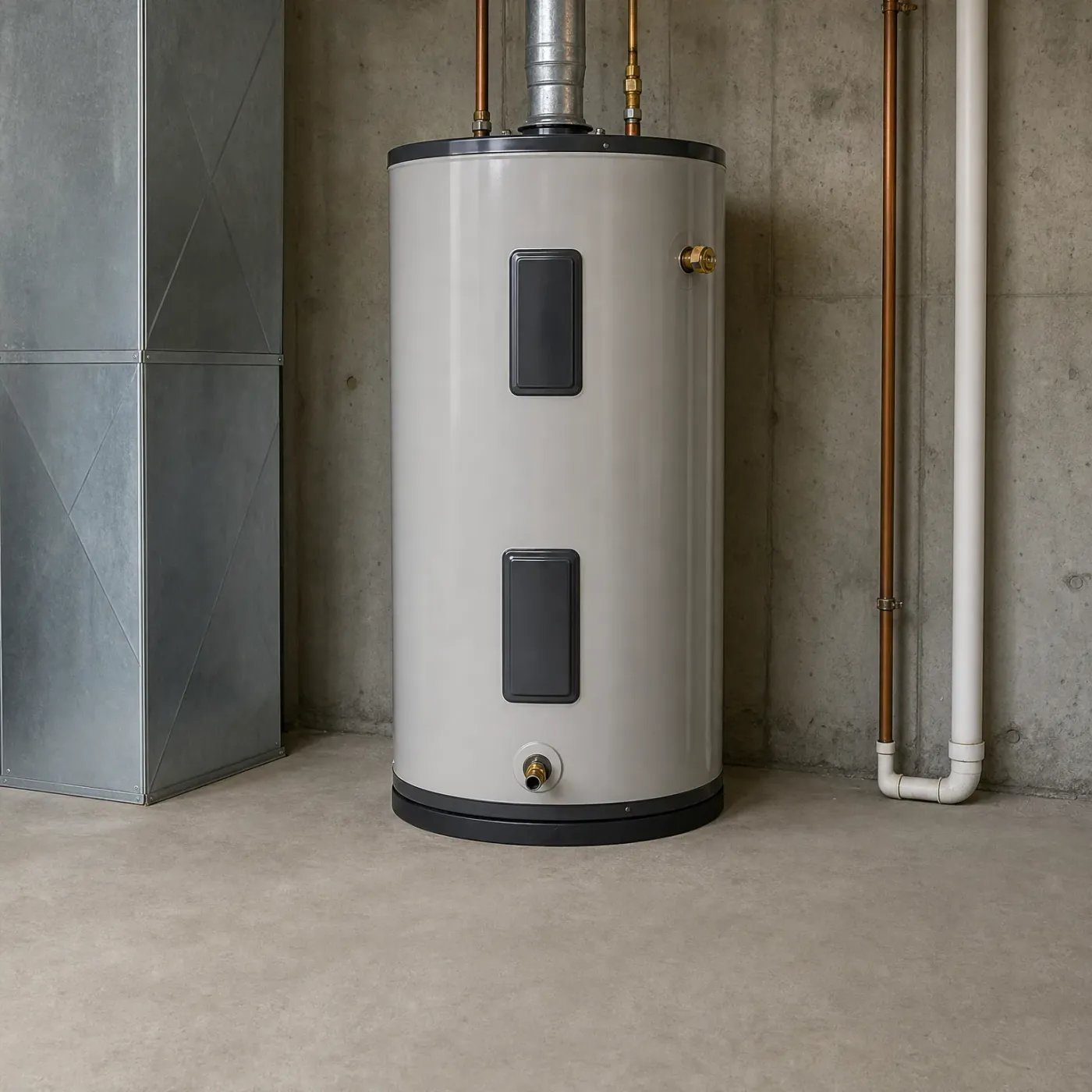
The rod is doing its job when it corrodes. It's built to react so your steel tank doesn't have to, and that reaction, combined with bacteria already living in the water, is what makes the gas. Run the hot side and you'll likely notice the smell more than you do on cold, since the heat pushes the reaction along faster. Same thing if the tank has sat idle a while, say the house was empty for a week. The water sitting in there has had more time to react before you ever open the tap. If you've got a water softener, that can make things worse too, since it pulls out the minerals that would normally slow the reaction down. None of this depends on whether you're on city water or a well, and switching one for the other won't change what's happening at the rod. The fix a contractor usually reaches for is swapping the magnesium rod for one made of aluminum or zinc, since those react much less with the bacteria causing the smell.




A magnesium anode rod reacts faster with bacteria in the tank than an aluminum one, so switching rod type can cut the smell down without replacing the tank.
A contractor can flush the tank with a chlorine solution to kill the sulfate-reducing bacteria feeding on the rod, clearing the smell at the source.
Run the cold tap first. If it smells fine and only the hot water carries that rotten egg smell, the problem is inside the tank, not your water supply. You might notice it strongest in the shower, where hot water and steam make the smell harder to ignore. Some households only catch it after the water heater has sat unused for a day or two, like after a trip. Left alone, the bacteria causing the smell don't damage the tank itself, but a corroding anode rod that's gone too far stops protecting the tank from rust, and that shortens the life of the water heater.
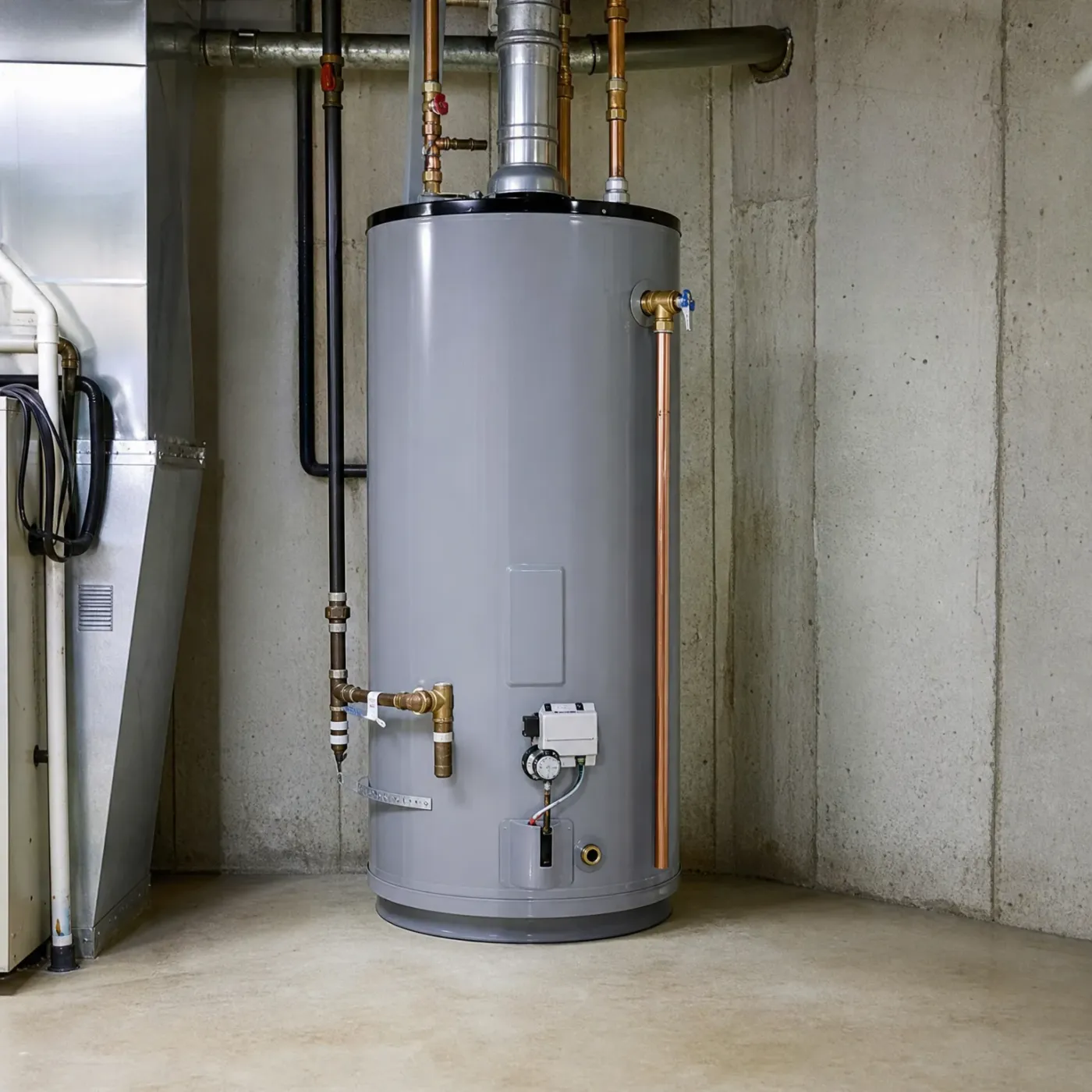
No smell at the tap, hot or cold. The anode rod is doing its job quietly, corroding on schedule so the steel tank doesn't have to. Gas line, flue vent, and controls all sit where they should, and the water coming out of them carries no sulfur smell at all.
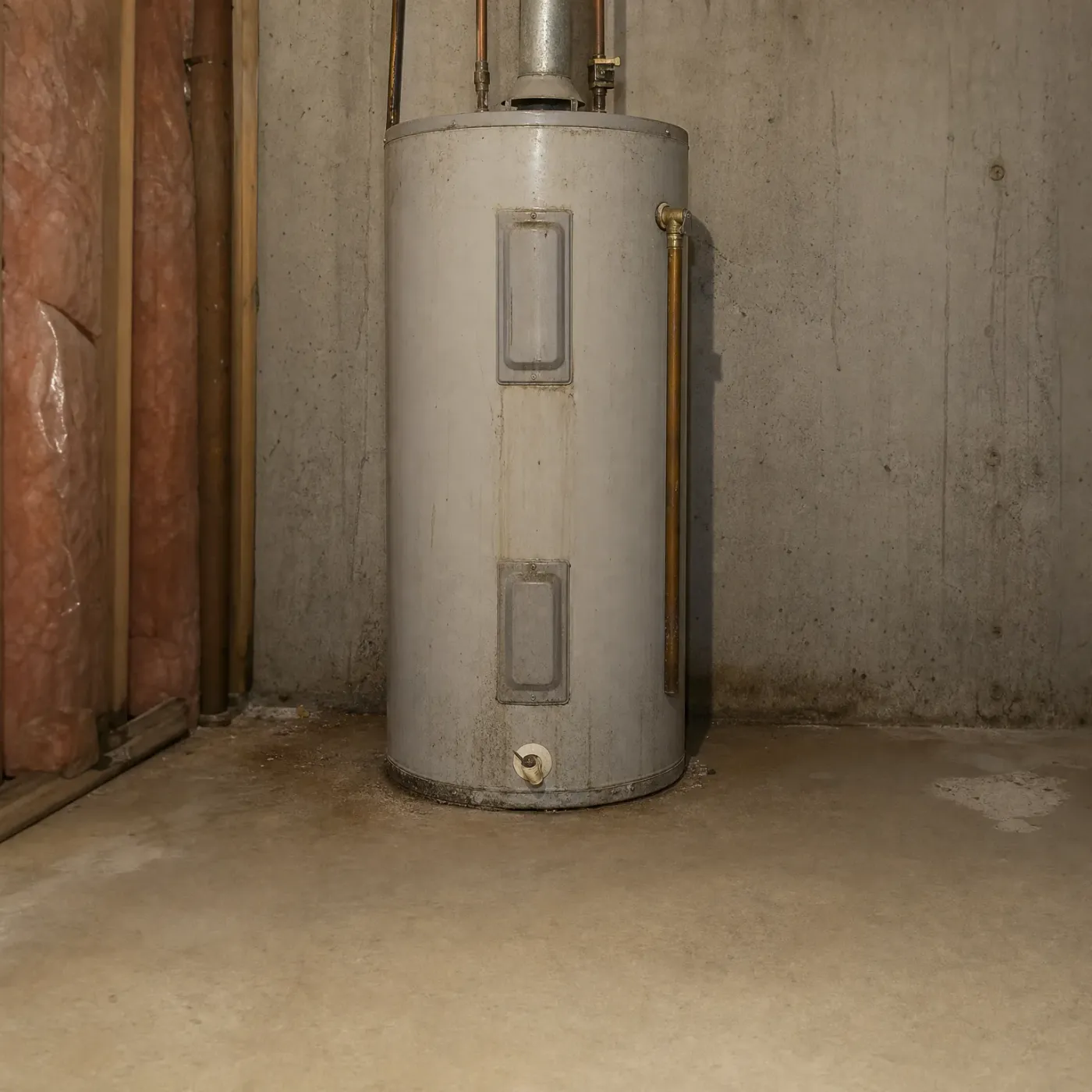
Rust staining down the side and a sulfur smell every time you run hot water are signs the rod has reacted past the point of being useful. An older tank like this one has had years for bacteria to build up inside, and a contractor can check the rod and flush the tank before it gets worse.


Answer a few questions instead of calling shop after shop.
You only hire the pro if you want to.
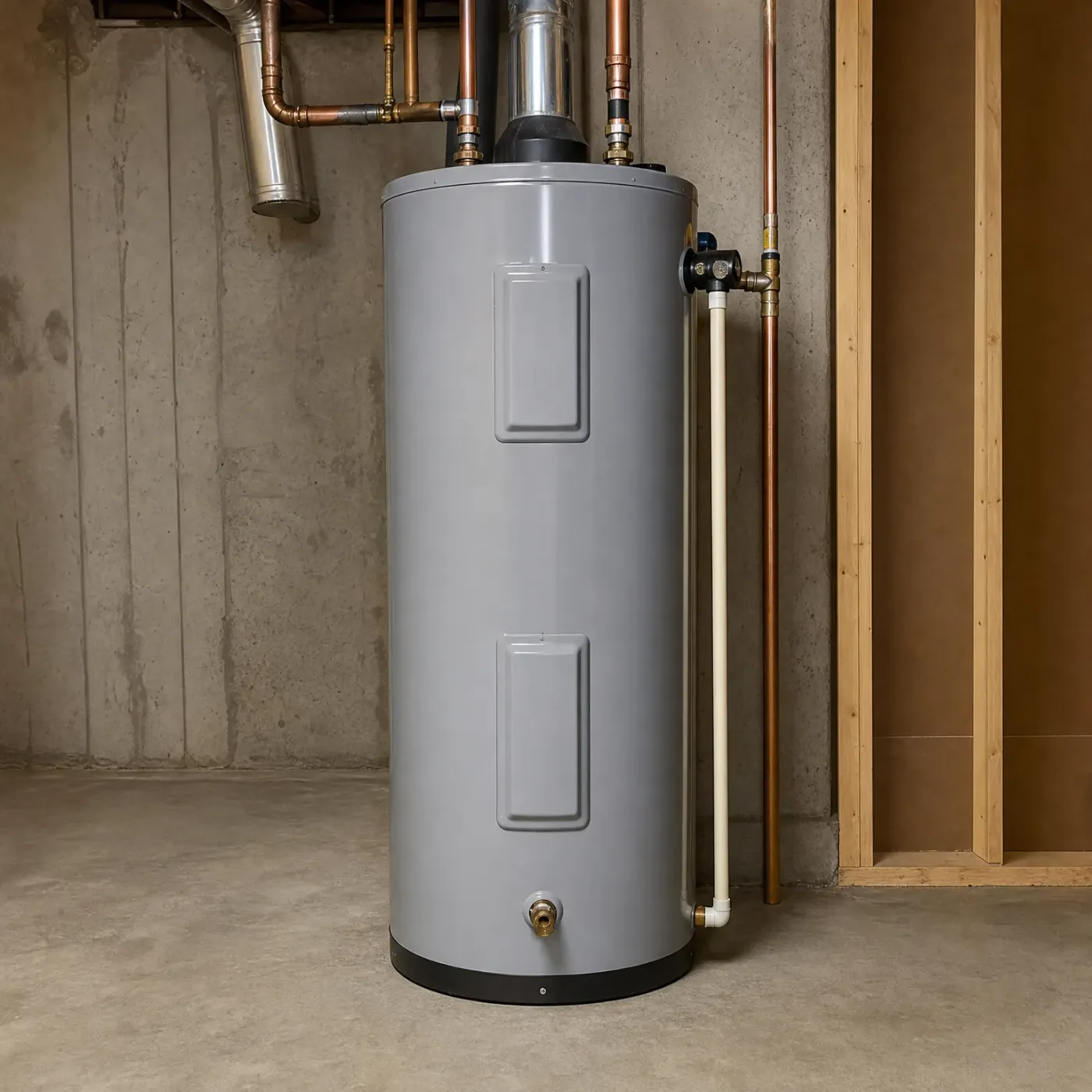
Water comes out clear with no odor at any tap in the house. The flue vent on top draws exhaust the way it should, and the relief valve on the side stays dry. Nothing at the base looks wet or discolored.
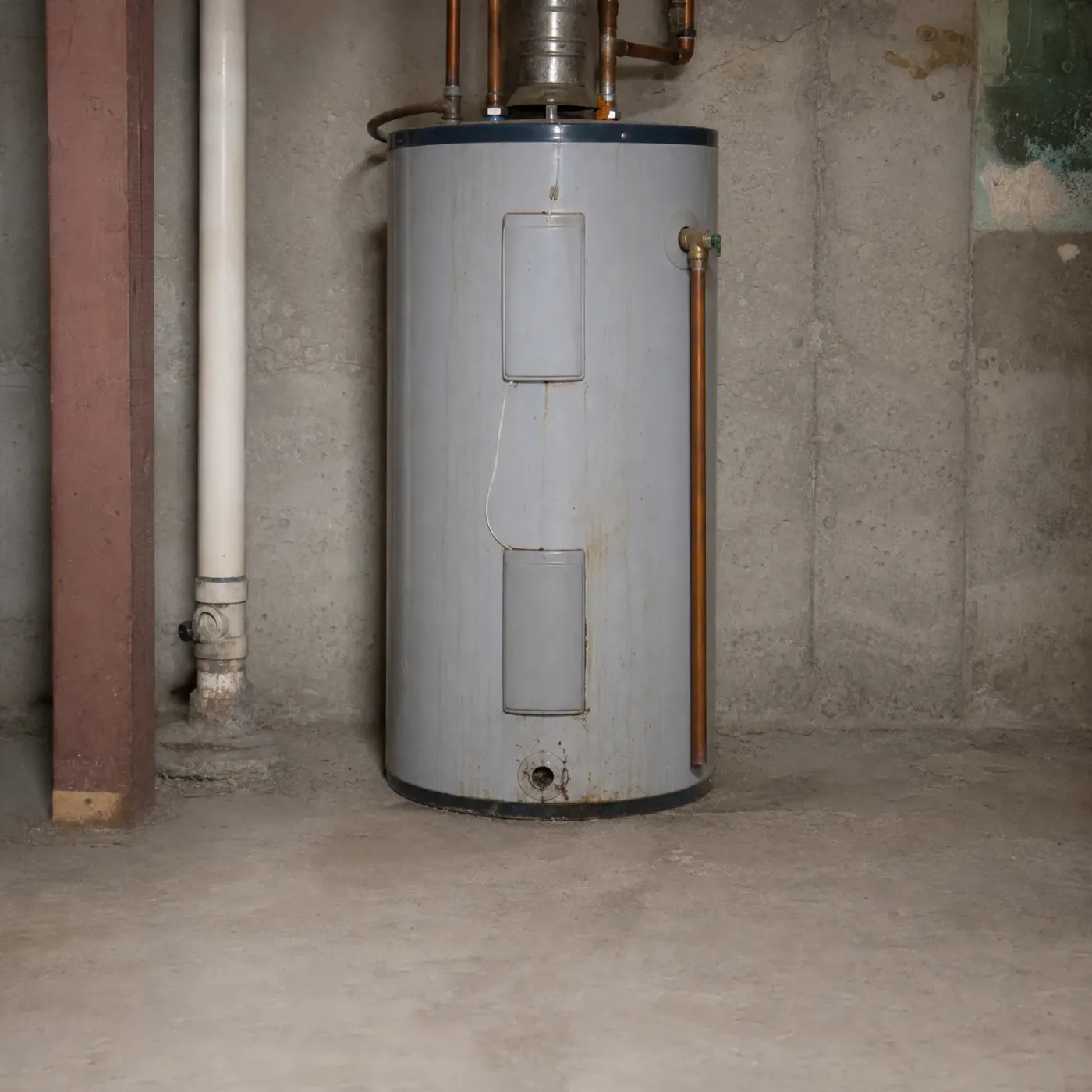
Rust has started near the base and the smell shows up at the hot tap. That rust tells you the steel is exposed somewhere, not just the anode rod doing its job. Left alone, it tends to get worse, not better.

You'll smell it first thing in the morning, running a shower before work. You'll smell it doing dishes, filling a pot for pasta, running a bath for a kid who won't get in the water because it smells like eggs. It doesn't go away on its own, and it doesn't come and go. Once that rod starts reacting with the bacteria in your tank, every draw of hot water carries it until someone deals with the rod itself.
Left alone, it's not just a smell to put up with. The same reaction that's producing the gas is also wearing down the rod that protects your tank from rust. You don't want to spend your evenings calling around, explaining the smell to three different companies, and sorting through quotes to find someone who'll actually show up. Send the form once and that part's off your plate. Someone licensed to work on it takes it from there.

Most houses in Colorado heat water with a gas unit, not electric, since gas heats 66.4% of homes statewide. A gas water heater still carries a sacrificial anode rod, so the same bacteria and sulfur reaction that causes the smell can happen in your tank whether you're on gas or electric.
ACS 2020-2024 5-year B25040
The smell has one source: the anode rod reacting with bacteria that live in the tank, feeding on sulfur compounds already in Colorado groundwater. The cold tap test tells you where to point a fix. Hot water only, and the tank is the problem. Both taps, and it's worth a look at the water supply itself. From there the fix is usually small. A magnesium rod swapped for aluminum, or a chlorine flush to clear out the bacteria doing the reacting. Neither gas nor electric tanks are exempt, since both use the same kind of rod doing the same job. None of this clears up by waiting. The smell sits in the tank until something changes it, and until then it shows up at every hot tap in the house, morning shower included.
What changes once you stop looking into it yourself is the legwork. You're not searching through contractors who may or may not work on water heaters, calling a few to see who answers, explaining the rotten egg smell over and over to whoever picks up, then sitting with quotes trying to tell them apart. A contractor who shows up already knows the likely causes and can tell you on the spot whether your tank needs a new rod, a flush, or something else entirely. That's the part that stops being yours to carry. The diagnosis and the repair were always going to take someone qualified. Finding that person is the part this page takes off your plate.





Describe your water heater job once, to one pro.
Asking costs nothing, and the choice to hire stays yours.
