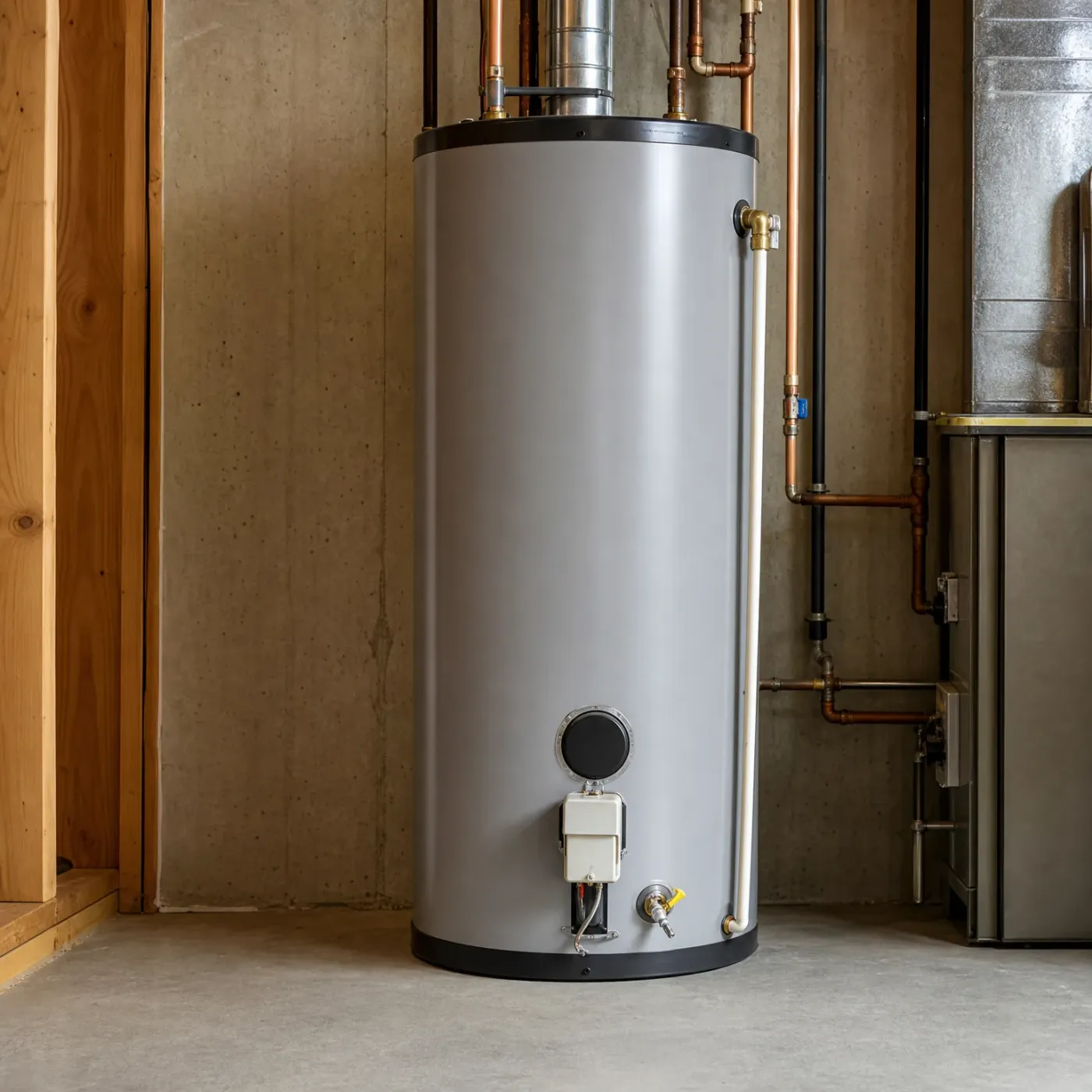
Working as it should
A tank like this is heating every new fill at full output, so the burner catches up fast after a shower or a run of dishes. The flue is clean, the pipes are solid, and nothing on the outside points to trouble underneath.
 Get matched
Say what's going on with your water heater, and a pro who works on them reaches out.
A water heater that takes forever to catch up after a shower or a load of dishes is usually gas, and the slow recovery points to a handful of specific parts. In most Colorado homes, that means the burner, the thermocouple or the dip tube doing less than it should. A thermocouple that reads weak will throttle the burner down even when the pilot is lit fine. A burner caked with soot or dust won't put out full heat no matter how long it runs. A cracked dip tube lets cold water mix straight into the hot, so what comes out of the tap is never as hot as the thermostat setting says it should be.
None of these show up the same way twice. The tank might still make hot water, just not enough of it back to back. Or it runs hot first thing in the morning and goes lukewarm by evening. Figuring out which part is behind it takes someone who has actually opened up a few of these tanks this year, not just read about how they work.
That's where a local contractor matters more than a name you recognize from a truck. Colorado winters put a real load on water heaters for months at a stretch, and someone working on this equipment through that stretch has a sense of which parts give out first in homes around here. Checking a thermocouple, pulling a dip tube, cleaning a burner assembly, the look of a part that's failing versus one that's just old. That's not something to guess at over the phone.
Answer a few questions about your water heater and your situation, and you'll be matched with one licensed contractor local to your area, not a list of five companies competing for your callback. They'll reach out directly to look at what's actually going on with your tank.
Slow recovery on a gas water heater usually means the burner isn't putting out full heat, or the water in the tank isn't actually getting to it. A burner caked with soot or set too low takes longer to bring each new tankful up to temperature. A failing thermocouple can cause the gas valve to throttle down even when the pilot is lit and working. And a broken or worn dip tube lets incoming cold water mix straight into the hot water near the top of the tank instead of going to the bottom to be heated, so what comes out of the tap never gets fully hot. Sediment sitting on the bottom of the tank adds to all of this, since it sits between the burner and the water and slows down how fast heat gets through. In Colorado, where gas is the common fuel for water heaters, any one of these can leave you waiting much longer than normal for a full tank of hot water after a shower or a load of laundry.




A gas water heater heats in a simple order: the burner fires under the tank, the heat passes through the steel, and the water above it climbs in temperature until the thermostat is satisfied. Slow recovery means that chain is broken somewhere. Sometimes it's the water itself, not reaching the burner's heat because a cracked dip tube is letting cold water mix into the hot layer near the top instead of sinking to the bottom where the burner can work on it. Sometimes it's sediment sitting on the tank floor, so the flame spends its energy heating a layer of mineral buildup before the water ever warms. Colorado's hard water in some areas speeds that buildup along. A thermocouple reading slow can cut the burner off before the cycle finishes, and a gas control valve with its dial turned down, whether on purpose or from age, stretches out every recovery after that. Even the flame color tells you something. A burner that should burn blue and instead burns yellow or orange isn't transferring heat the way it used to.
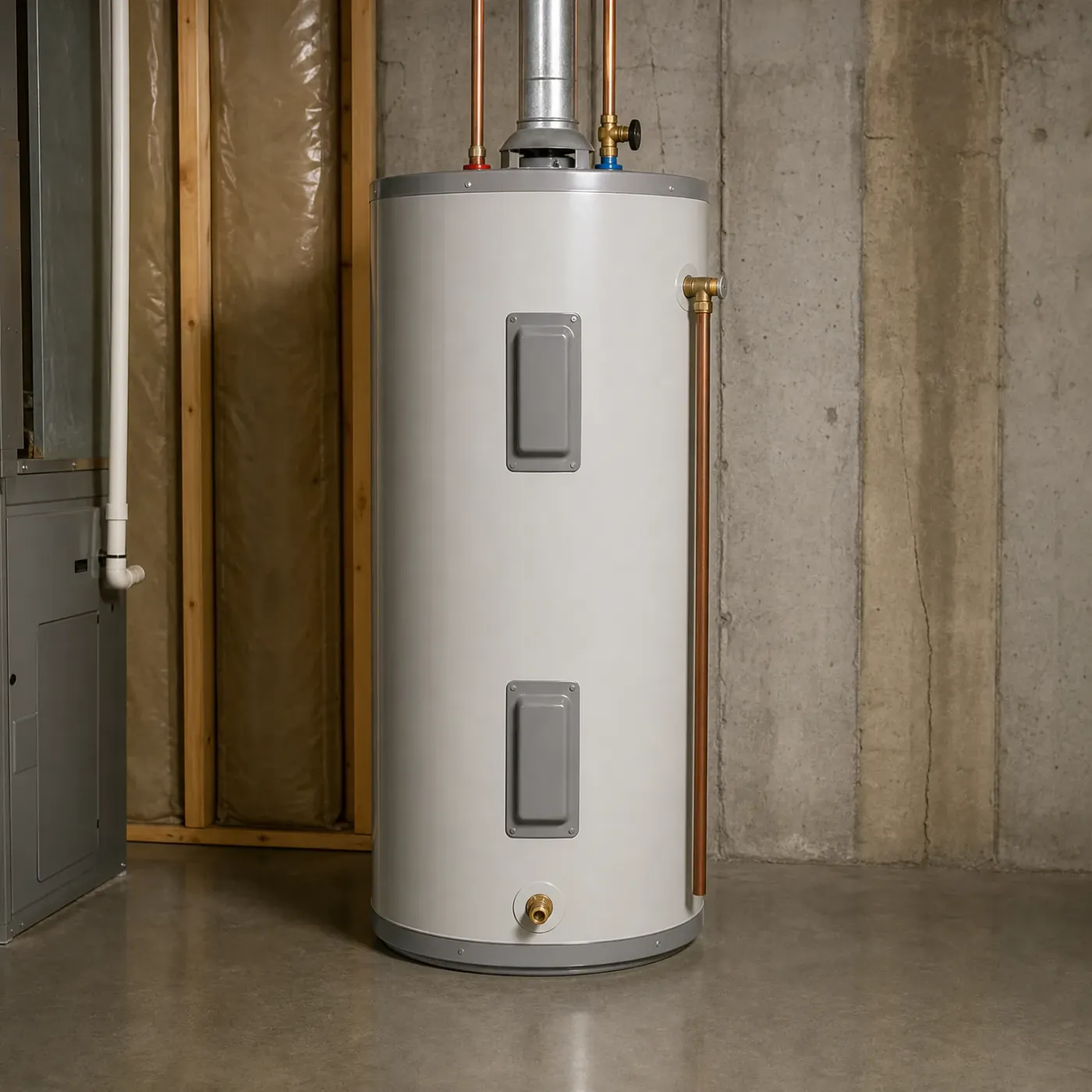
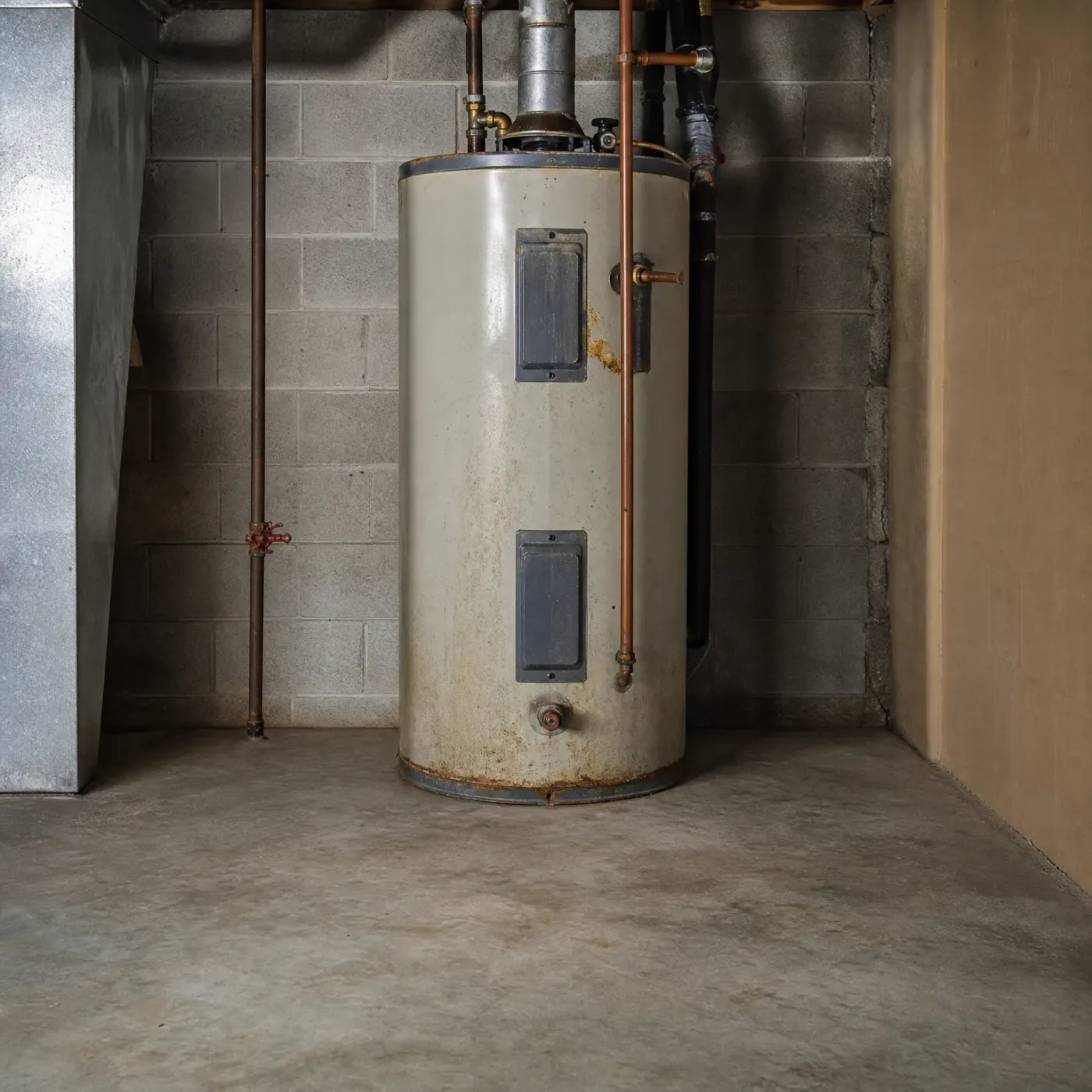


A water heater that lags behind usually has one part at fault, and sorting out which one takes someone who can check the burner flame, pull the anode, and look inside the tank, not just swap pieces until something works. That kind of troubleshooting is different for a 40 gallon tank feeding a house with two showers running back to back than for a smaller unit in a house that barely taxes it. A local contractor who works on these tanks all year, not just in a cold snap, has usually seen your exact symptom before and knows which of the handful of causes tends to show up first in homes around here. Getting matched with one contractor instead of several means that person can ask about your tank, your gas line, your water, and give you an answer that fits your house instead of a generic one. If your water heater has been slow to recover for a while now, that's worth sorting out before it gets worse.
A gas burner at full output can bring a 40 gallon tank back up to temperature in well under an hour. Once soot, a low gas setting, or a weak thermocouple cuts into that output, recovery can stretch out much longer.
That gap is what you feel as the hot water running out mid shower. The burner is still lit, just not doing the job it used to.
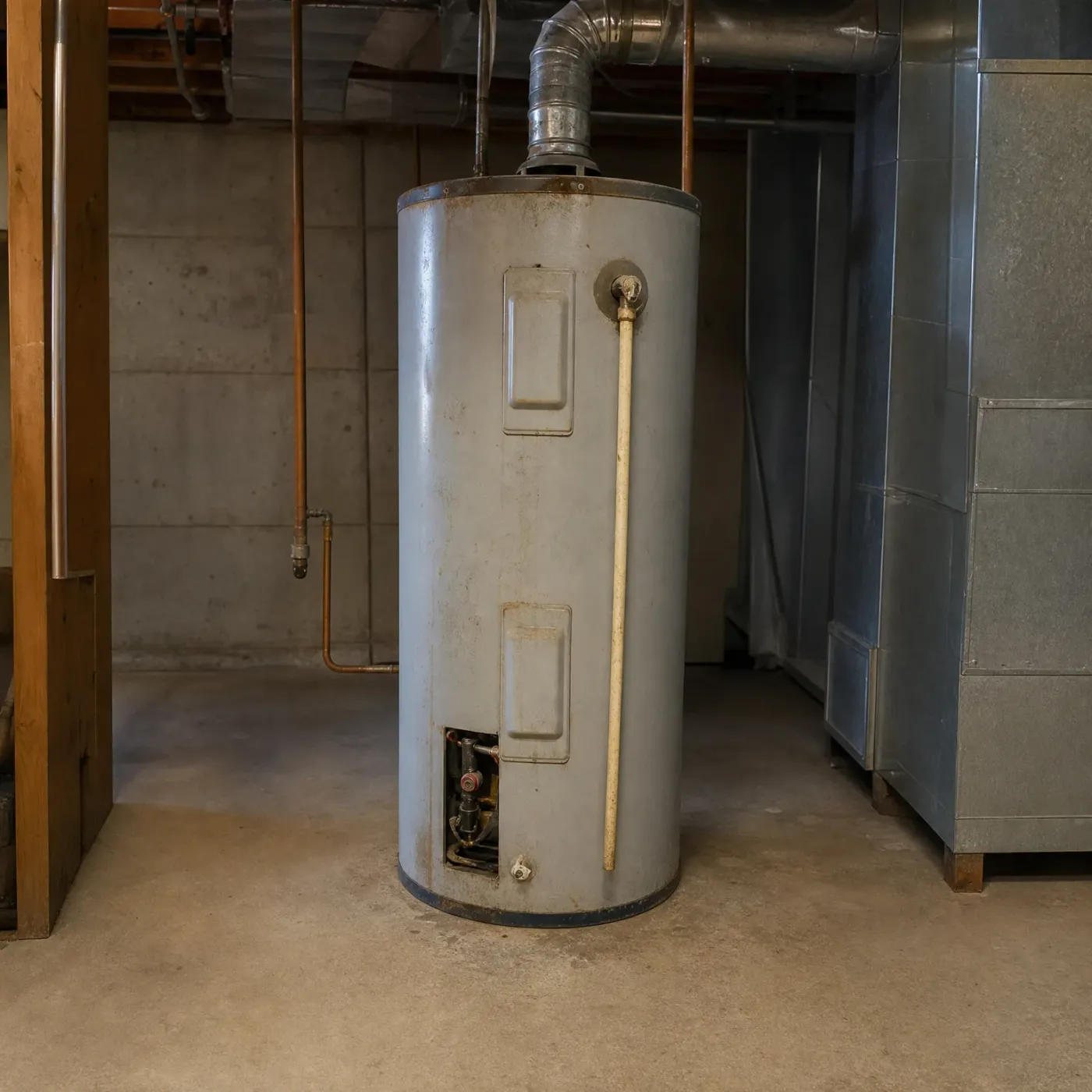
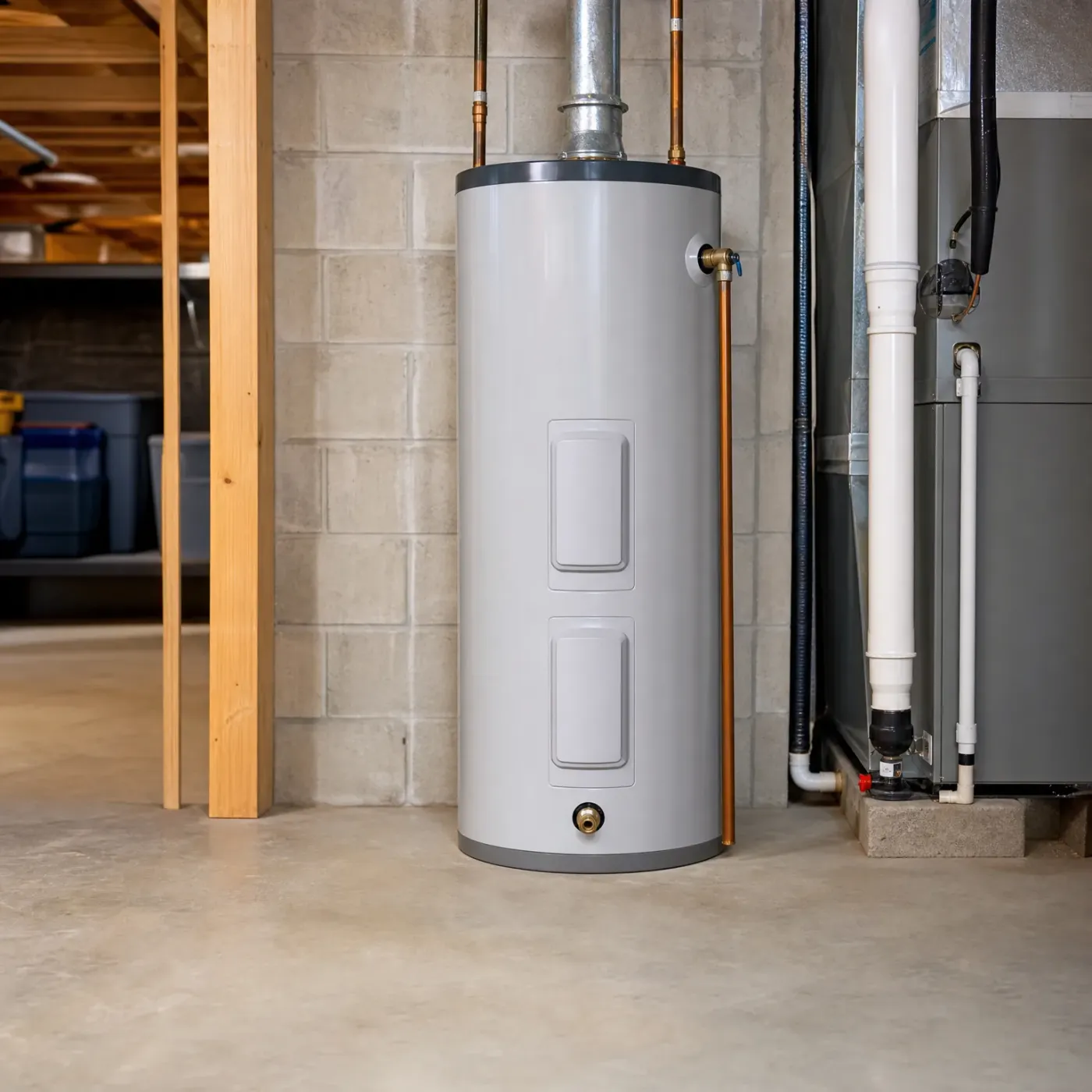
A tank like this is heating every new fill at full output, so the burner catches up fast after a shower or a run of dishes. The flue is clean, the pipes are solid, and nothing on the outside points to trouble underneath.
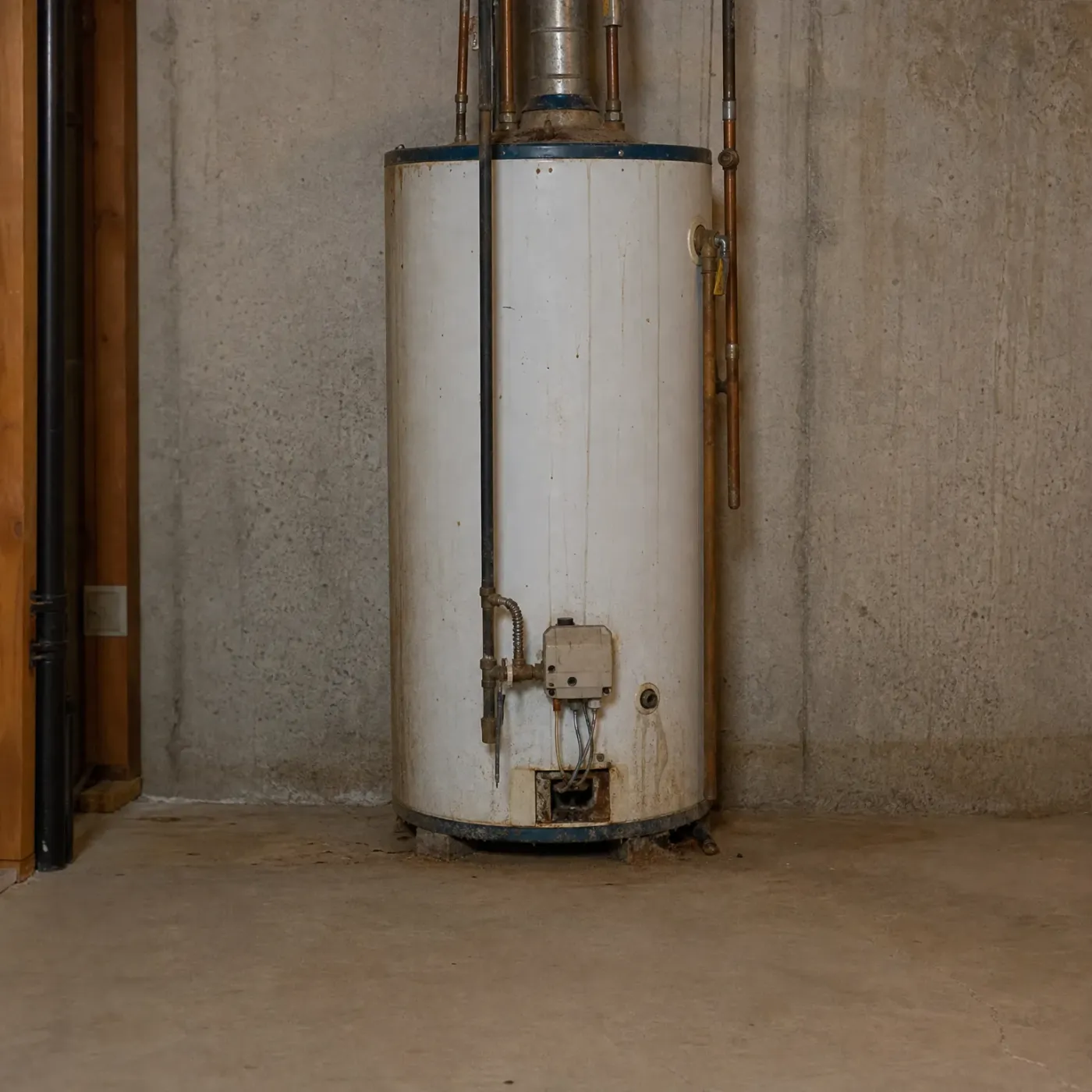
Rust on the shell and a corroded flue usually mean the tank has been struggling for a while. A burner working against that kind of wear can't bring the water back up to temperature the way it used to, and recovery keeps getting slower.
Most houses in Colorado run on gas for hot water, yours is probably one of them. That's good news for recovery speed when the burner's working right, since gas can bring a tank back up to temperature fast. It's also why a burner problem shows up so clearly as slow recovery instead of just a smaller dip in performance.
ACS 2020-2024 5-year B25040
A gas water heater that can't keep up almost always comes back to one of three things: the burner isn't putting out full heat, the thermocouple isn't holding the gas valve open the way it should, or the dip tube has cracked and is letting cold water cut into the hot. Soot on the burner, a bad thermocouple, and a failed dip tube can all look similar from the tap, a tank that never quite catches up, but each one calls for different work, and guessing wrong means paying for a fix that was never the problem.
That's where having someone local who works on these tanks all season matters. Gas water heaters are common across Colorado homes, and a contractor who services them regularly has seen which of these three parts tends to go first, and knows what it looks like when it does. That's not something you get from swapping parts at random.
When you request service through this page, you're matched with one contractor, not several competing for the job. That means one visit where someone checks the burner flame, tests the thermocouple, and looks at what's going on inside the tank, instead of fielding calls from multiple companies and sorting out who actually knows the equipment. Once the real part behind the slow recovery gets found, the fix is usually straightforward. The tank goes back to heating each new fill at full output, and your hot water catches up the way it's supposed to.
Your request goes to one pro, not a list of companies.