Tell us about the job
Takes about a minute. No obligation.
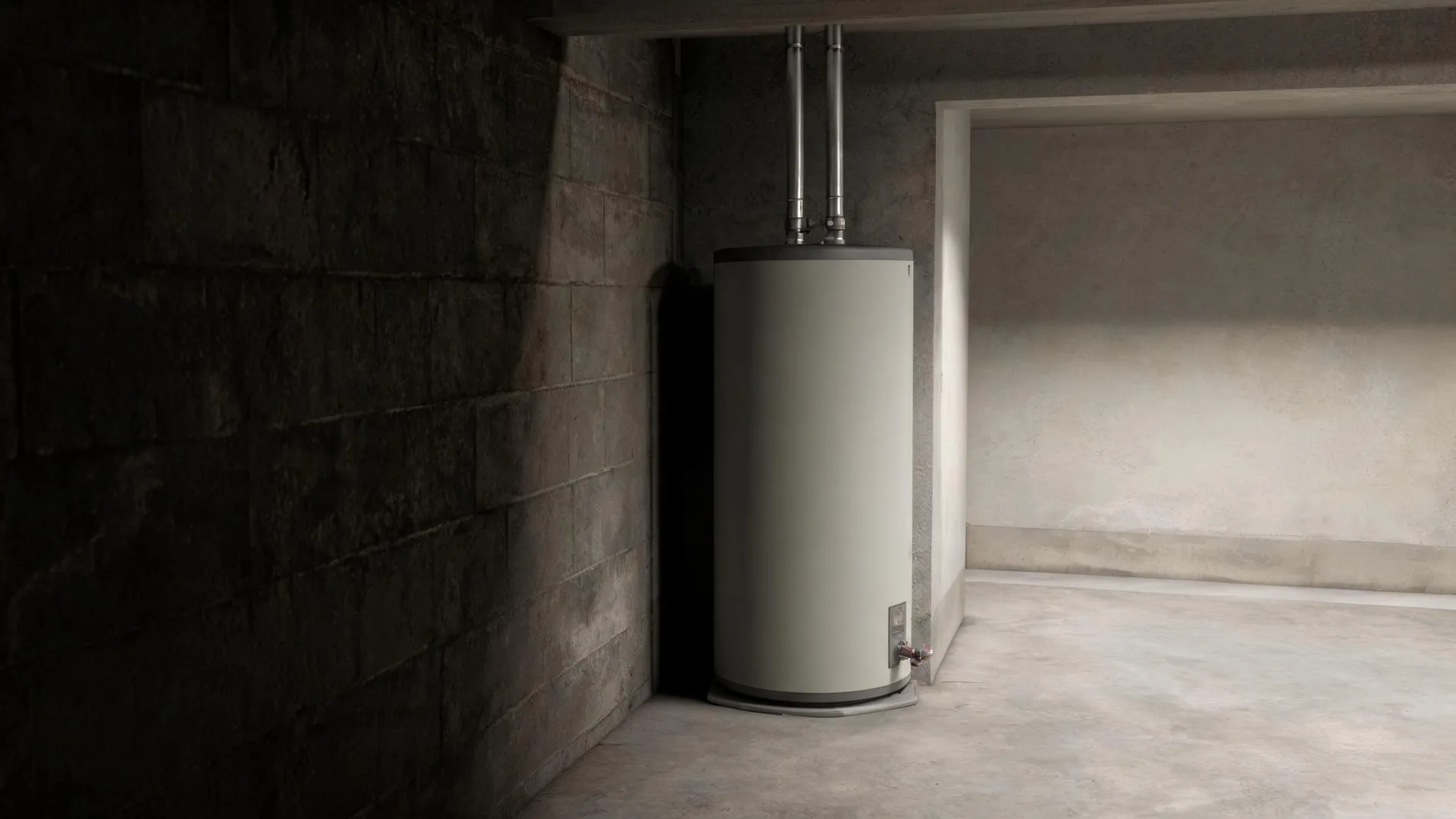
Gas water heater installation here starts with what is already in the wall: the flue, the combustion air supply, and the gas line feeding the unit. Utility gas heats more occupied homes in Arapahoe County, Colorado than any other fuel, at 65.4% (2020-2024 ACS 5-year). That share means most replacement jobs involve an existing venting arrangement a contractor has to inspect and confirm before the new unit goes in. A flue sized for an old atmospheric-draft heater may not suit a higher-efficiency sealed-combustion model, and the combustion air calculation changes too. The contractor has to establish what the existing infrastructure will support before the quote can be accurate.
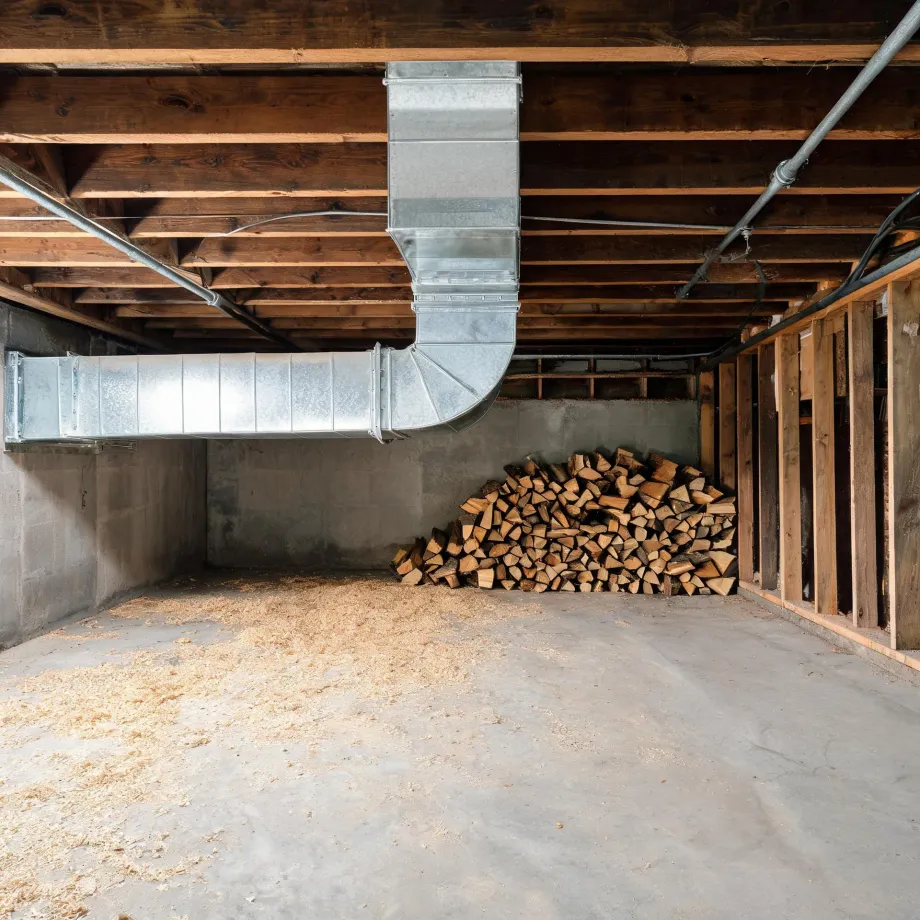
The ductwork and the venting path in a house are what a water heater installation actually turns on, and in Arapahoe County the stock tells you why. Half the homes in Arapahoe County, Colorado were built in 1986 or earlier (2020-2024 ACS 5-year). A house built then was plumbed and vented for equipment that is no longer in it. What runs in it now was adapted into a structure built around something else, and the venting configuration a contractor finds on arrival is the one that was roughed in for that original setup. Whether it carries a new water heater without modification is what the job quote has to answer first.
What a Water Heater Installation Covers
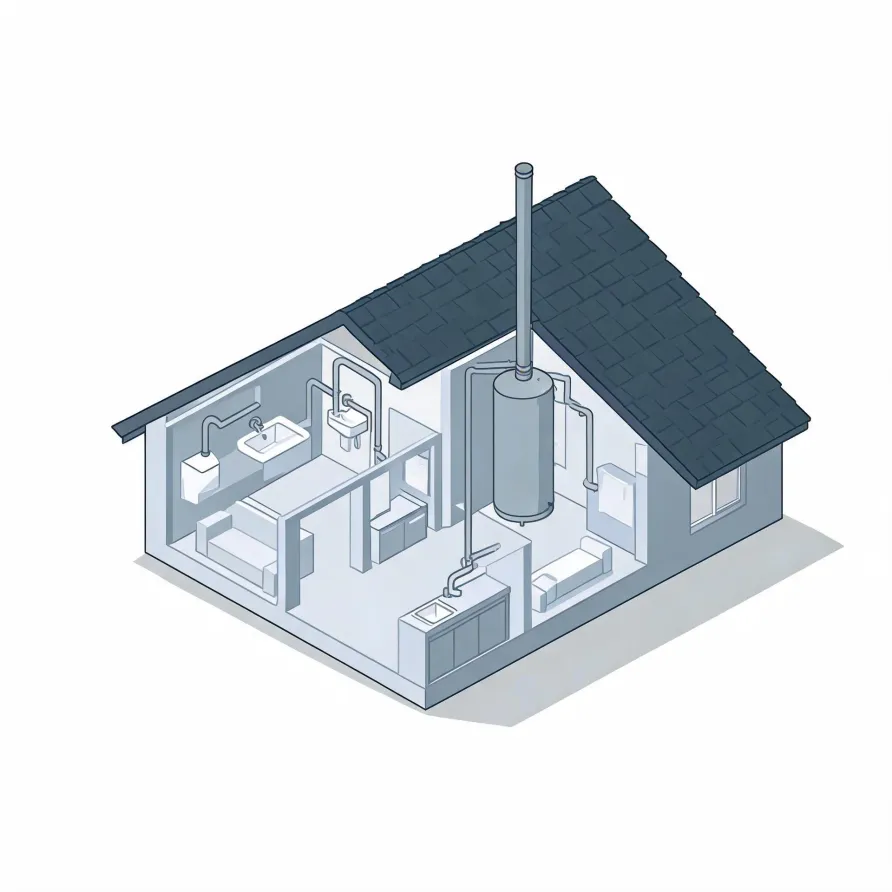
The water heater tank sits in a utility area, basement, or closet and holds the water that gets heated and sent to every fixture in the house. A contractor sets the unit in place, connects it to the cold water supply line, and routes the hot water outlet line back into the home's plumbing.
The temperature and pressure relief valve mounts on the side of the tank and opens if pressure inside climbs too high. The drain valve sits near the bottom. A flue pipe or venting assembly runs from the top of a gas unit up and out of the house, carrying combustion gases away.
The drawing shows a typical layout, and a licensed contractor determines exactly what applies to your home's configuration.
Get matched in Arapahoe CountyArapahoe County, by the numbers
360 severe weather events were recorded in Arapahoe County, Colorado between 2015 and 2024.
NOAA National Centers for Environmental Information, Storm Events Database, bulk CSV export, events 2015-01-01 through 2024-12-31.Half the homes in Arapahoe County, Colorado were built in 1986 or earlier (2020-2024 ACS 5-year).
U.S. Census Bureau, 2020-2024 American Community Survey 5-Year EstimatesArapahoe County, Colorado holds 269,345 housing units (2020-2024 ACS 5-year).
U.S. Census Bureau, 2020-2024 American Community Survey 5-Year EstimatesOwners occupy 64.7% of the occupied homes in Arapahoe County, Colorado (2020-2024 ACS 5-year).
U.S. Census Bureau, 2020-2024 American Community Survey 5-Year EstimatesSevere Weather Events in Arapahoe County
Arapahoe County weather puts real demands on water heating equipment, and those demands shape what a contractor installs and how they size it. Knowing the local pattern is part of getting the installation right.
360 severe weather events, 2015–2024. Source: NOAA National Centers for Environmental Information, Storm Events Database.