Tell us about the job
Takes about a minute. No obligation.
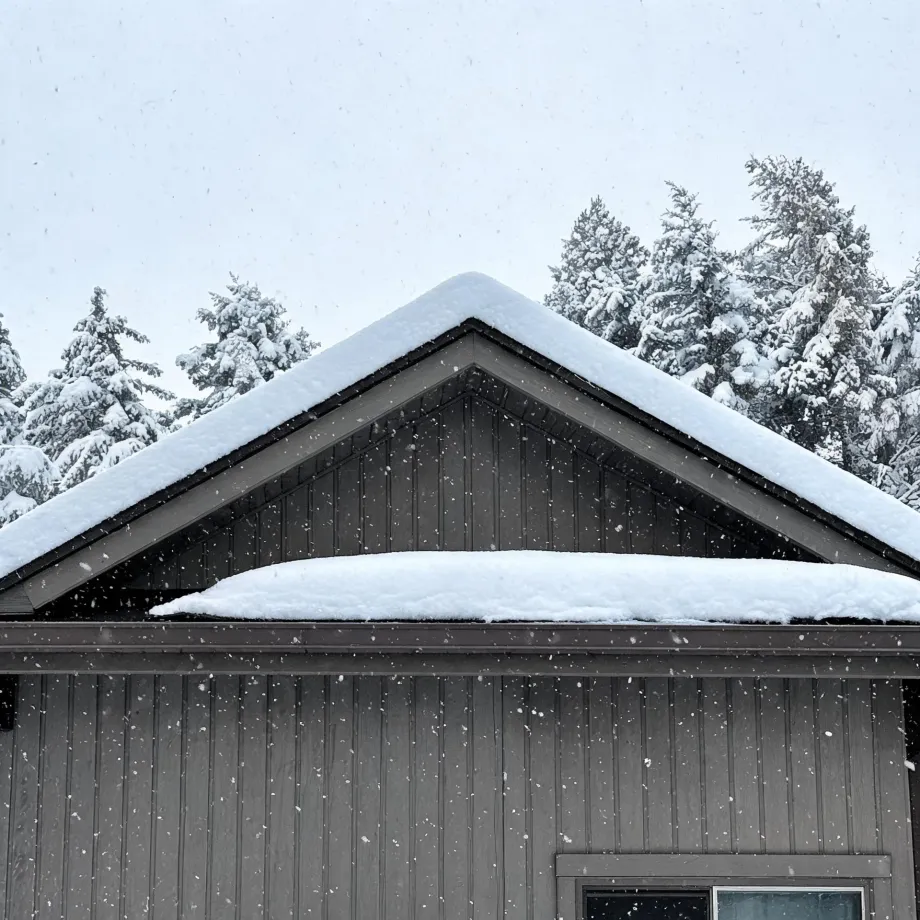
Gas venting, combustion air supply, and line sizing are the first things a contractor settles on a water heater job here. Utility gas heats more occupied homes in Elbert County, Colorado than any other fuel, at 44.9% (2020-2024 ACS 5-year). A home on utility gas draws combustion air from the space around the unit, so the installer checks that the mechanical room can supply it before the new heater goes in. Venting the flue correctly for a gas appliance is not a detail left to the end of the job; a vent that is undersized or poorly routed sends exhaust back into the living space. Contractors quoting a replacement also confirm the existing gas line can carry the load the new unit demands.
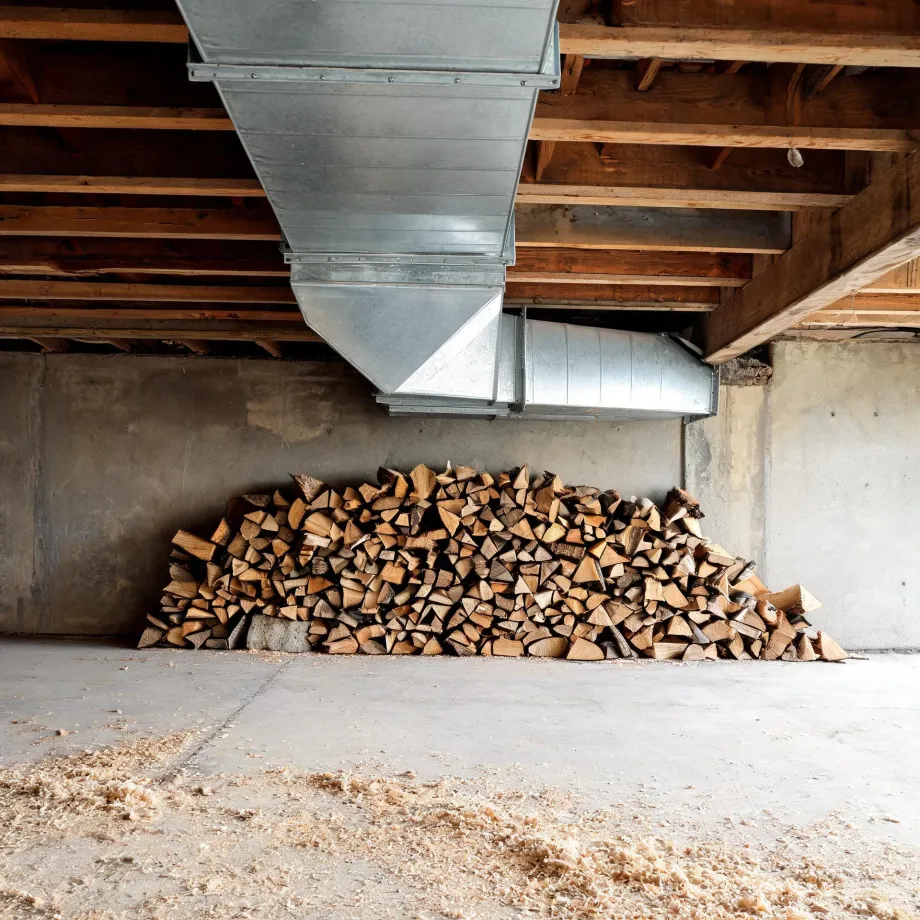
Electrical service is what a water heater installation actually depends on in a house like this. Half the homes in Elbert County, Colorado were built in 1996 or earlier (2020-2024 ACS 5-year). That means a contractor sizing a new unit has to look at what the panel already carries, and whether it has the capacity a current model draws, before the equipment choice is settled. If it does not, the panel becomes part of the job. The water heater is selected after that question has an answer.
What a Water Heater Installation Puts in Your Home
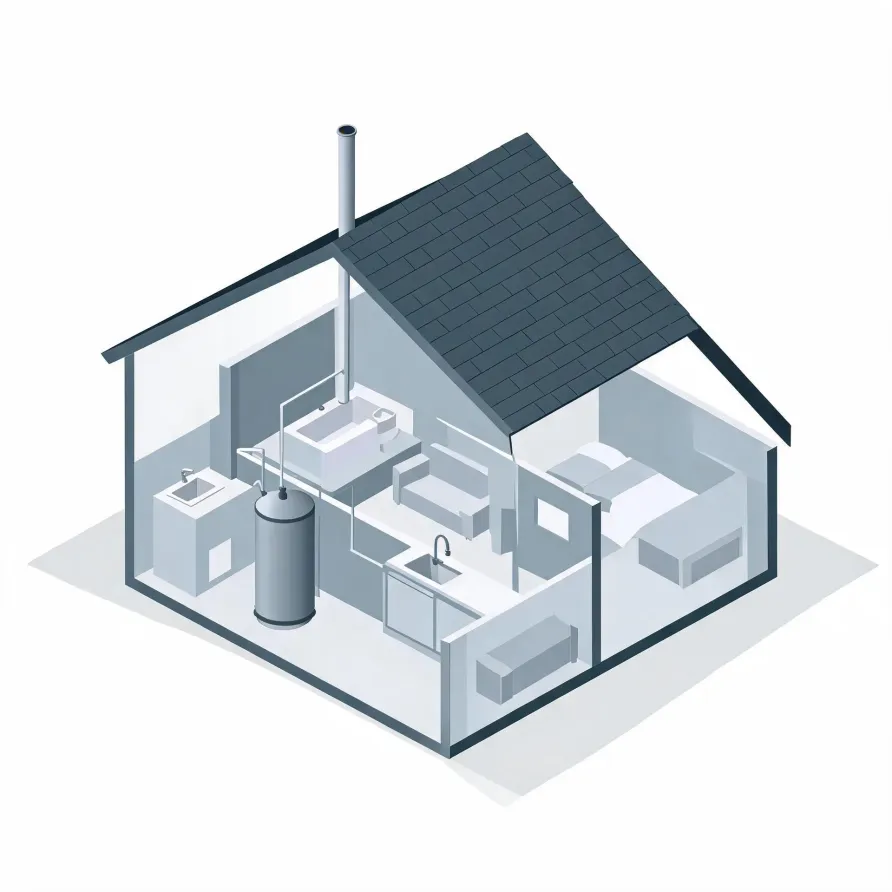
The tank is the piece you will see first, standing upright in a utility closet, basement, or garage. It holds and heats a supply of water ready for the house to draw on. Attached to the top are the hot and cold water lines that route water in from the supply and out to every fixture.
The pressure relief valve mounts to the side of the tank and is connected to a discharge pipe that runs toward a drain. A thermostat, set into the tank body, tells the heating element or burner when to fire. A gas unit also has a flue pipe rising from the top to carry combustion gases out of the house.
The drawing shows the general layout of a water heater system, and a licensed contractor determines what applies to your particular home.
Get matched in Elbert CountyElbert County, by the numbers
319 severe weather events were recorded in Elbert County, Colorado between 2015 and 2024.
NOAA National Centers for Environmental Information, Storm Events Database, bulk CSV export, events 2015-01-01 through 2024-12-31.Half the homes in Elbert County, Colorado were built in 1996 or earlier (2020-2024 ACS 5-year).
U.S. Census Bureau, 2020-2024 American Community Survey 5-Year EstimatesElbert County, Colorado holds 10,510 housing units (2020-2024 ACS 5-year).
U.S. Census Bureau, 2020-2024 American Community Survey 5-Year EstimatesOwners occupy 95.0% of the occupied homes in Elbert County, Colorado (2020-2024 ACS 5-year).
U.S. Census Bureau, 2020-2024 American Community Survey 5-Year EstimatesSevere Weather Events in Elbert County
Water heaters work harder when outdoor conditions swing hard, and the load a unit carries over its life is shaped by what the local climate actually does. That makes weather history a real input for sizing and installation decisions in Elbert County.
319 severe weather events, 2015–2024. Source: NOAA National Centers for Environmental Information, Storm Events Database.