Tell us about the job
Takes about a minute. No obligation.
Gas combustion puts specific demands on a water heater install: the flue has to be sized for the appliance, the combustion air supply has to be confirmed, and the gas line has to be rated for the new unit's input. Utility gas heats more occupied homes in Kit Carson County, Colorado than any other fuel, at 65.7% (2020-2024 ACS 5-year). That share of gas-heated homes means contractors here work this fuel constantly, and the venting and combustion requirements are not optional steps a homeowner can revisit later. A licensed contractor sizes the replacement unit, checks the existing vent path, and confirms the line pressure before the old unit comes out.
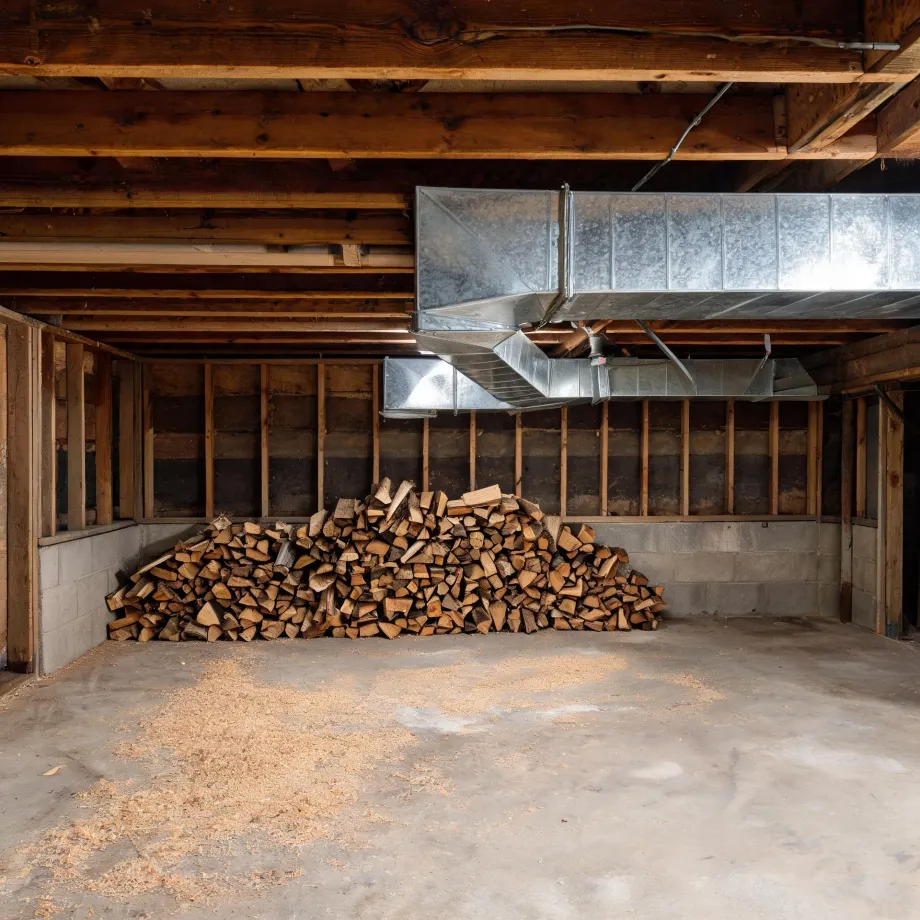
Ductwork sized for an older system and electrical service that was never planned around current draw are what a contractor is actually working with on most jobs here. Half the homes in Kit Carson County, Colorado were built in 1970 or earlier (2020-2024 ACS 5-year). That history means the house itself sets the terms: what a contractor finds behind the walls, in the panel, and running through the crawlspace determines whether a new water heater drops in cleanly or whether the job expands before the unit is ever touched.
What a Water Heater Installation Covers
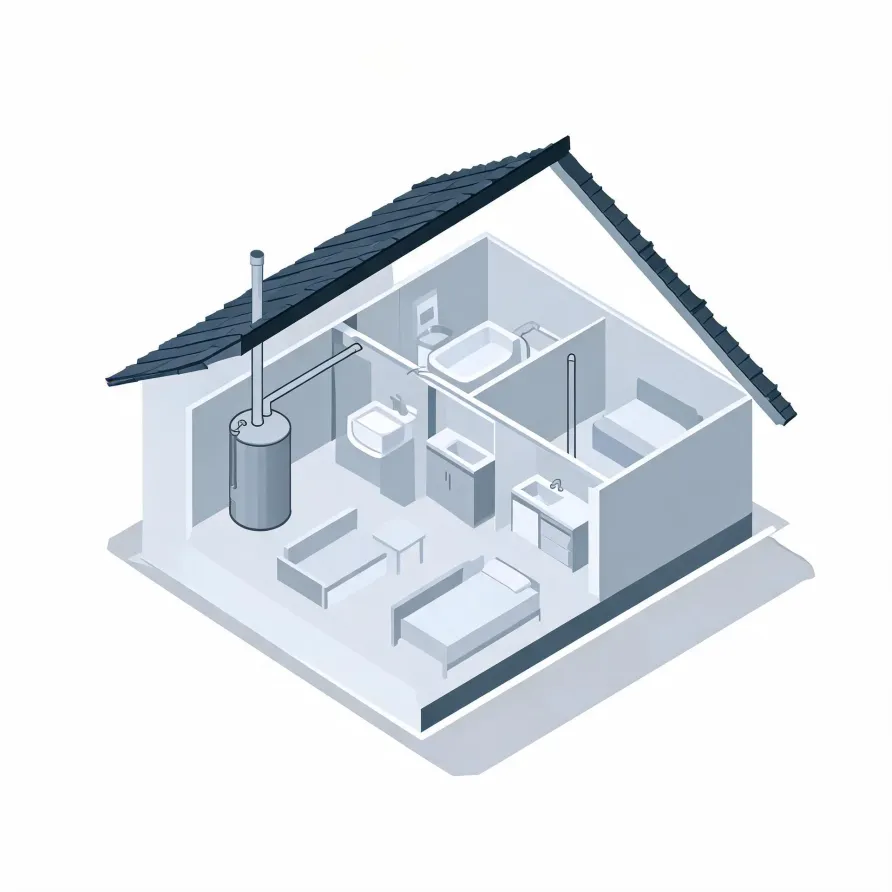
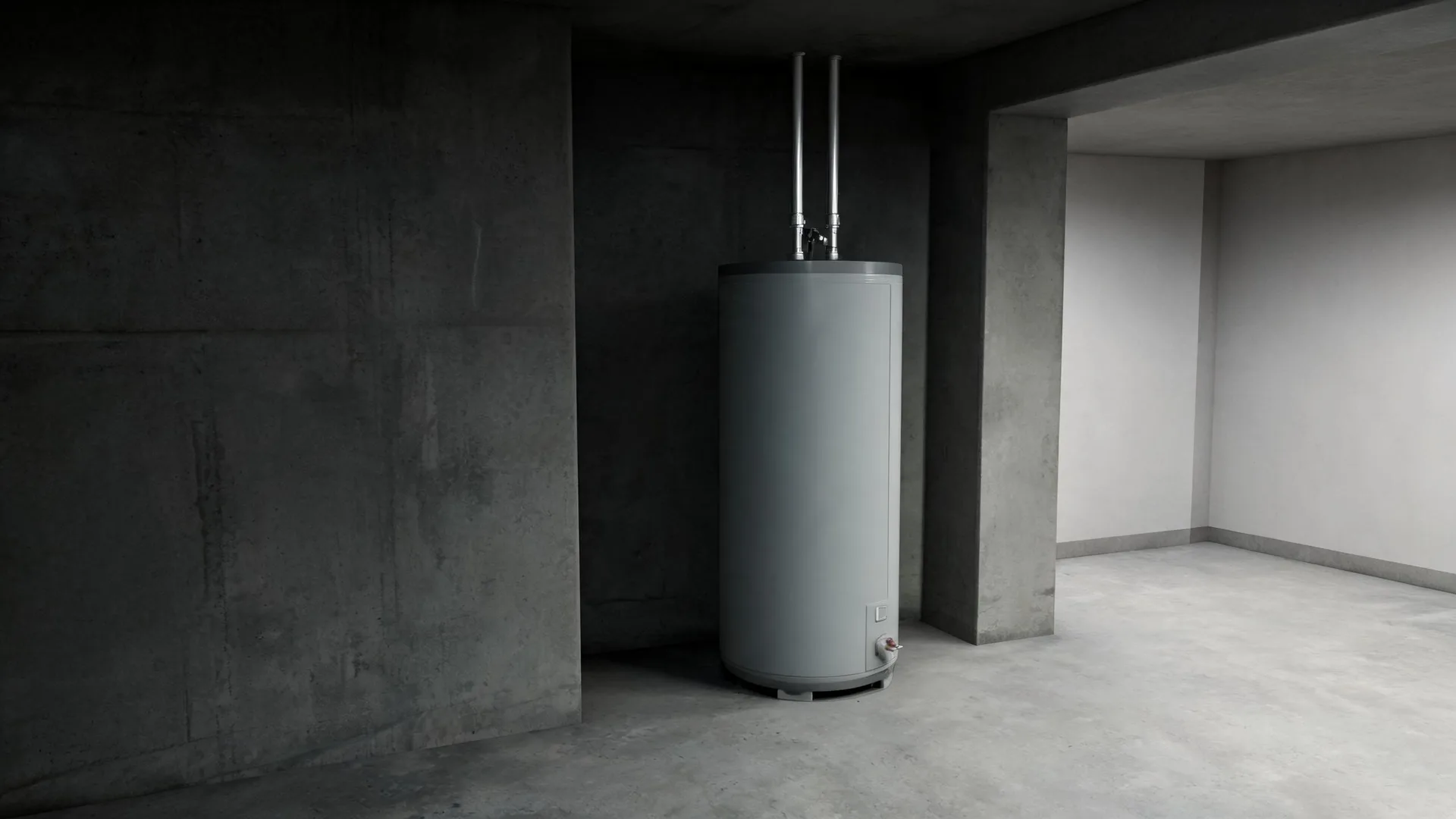
The tank is the piece most homeowners have seen: a tall cylinder that sits in a utility closet, basement, or garage and holds a ready supply of hot water. A gas-fired unit has a burner at its base and a flue that runs up through the tank and out of the house. An electric unit carries heating elements mounted inside the tank wall.
The pressure relief valve mounts to the side of the tank and opens automatically if pressure inside climbs too high. A cold-water inlet line feeds the tank from the house supply, and a hot-water outlet line carries heated water to every fixture. A drain valve sits at the base, and on gas units the contractor also connects the gas supply line.
The drawing shows a representative layout, and a licensed contractor determines exactly what applies to your home.
Get matched in Kit Carson CountyKit Carson County, by the numbers
468 severe weather events were recorded in Kit Carson County, Colorado between 2015 and 2024.
NOAA National Centers for Environmental Information, Storm Events Database, bulk CSV export, events 2015-01-01 through 2024-12-31.Half the homes in Kit Carson County, Colorado were built in 1970 or earlier (2020-2024 ACS 5-year).
U.S. Census Bureau, 2020-2024 American Community Survey 5-Year EstimatesKit Carson County, Colorado holds 3,428 housing units (2020-2024 ACS 5-year).
U.S. Census Bureau, 2020-2024 American Community Survey 5-Year EstimatesOwners occupy 72.6% of the occupied homes in Kit Carson County, Colorado (2020-2024 ACS 5-year).
U.S. Census Bureau, 2020-2024 American Community Survey 5-Year EstimatesSevere Weather Events in Kit Carson County
Kit Carson County's climate puts real demand on water heating equipment year after year. How hard that equipment works is a local question, and the weather record is part of the answer.
468 severe weather events, 2015–2024. Source: NOAA National Centers for Environmental Information, Storm Events Database.