Tell us about the job
Takes about a minute. No obligation.
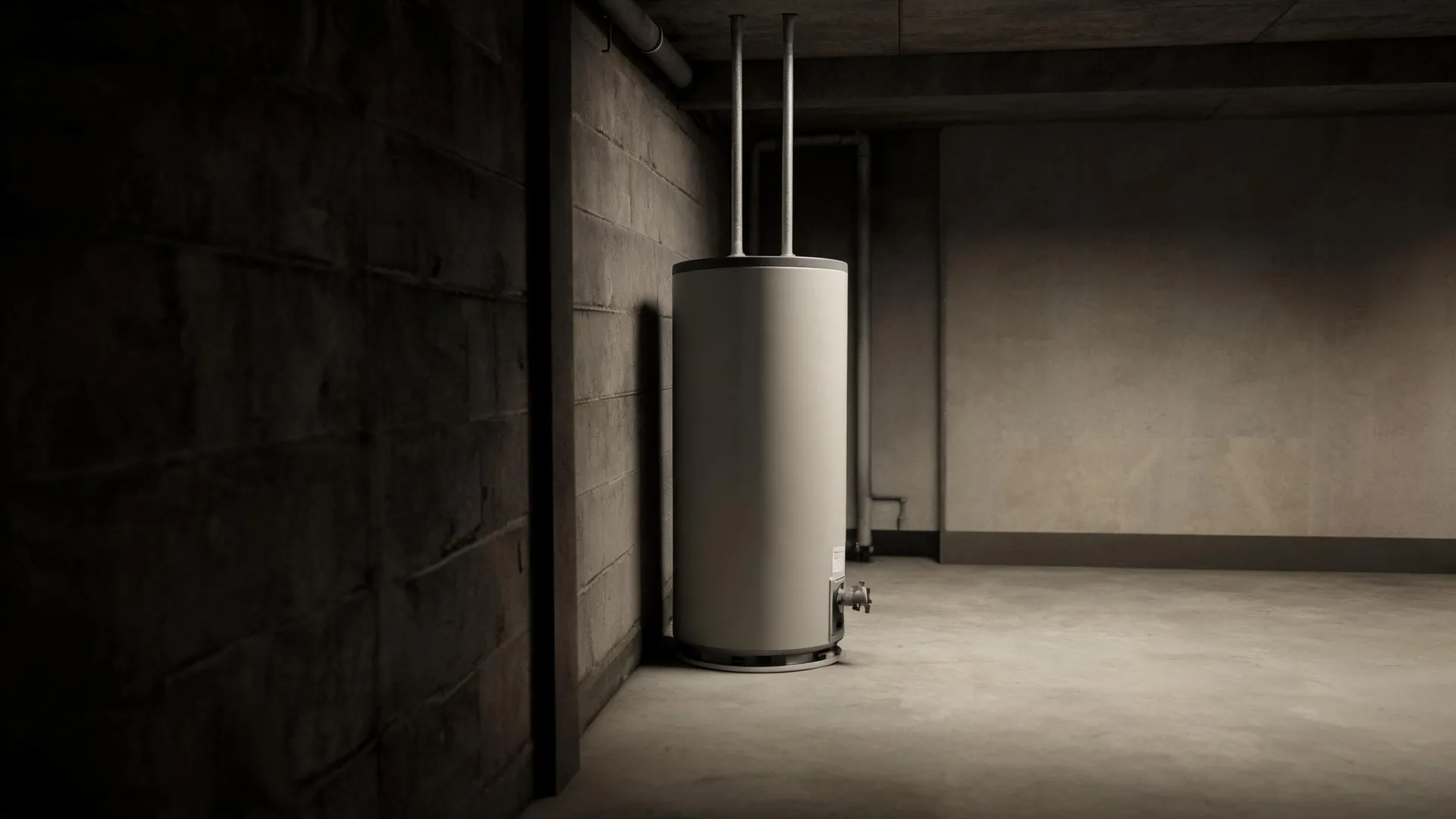
Before a contractor can price a water heater replacement in Weld County, they have to establish how the existing unit vents and where it draws combustion air from. Utility gas heats more occupied homes in Weld County, Colorado than any other fuel, at 73.0% (2020-2024 ACS 5-year). Gas-fired water heaters run on standing pilots or electronic ignition, vent through flue pipes that corrode from the inside out, and depend on combustion air pathways that tighter modern construction can starve. A contractor quoting a replacement here checks the flue condition, the draft, and whether the installation space meets current code for combustion air, because those answers change both what gets installed and what it costs.
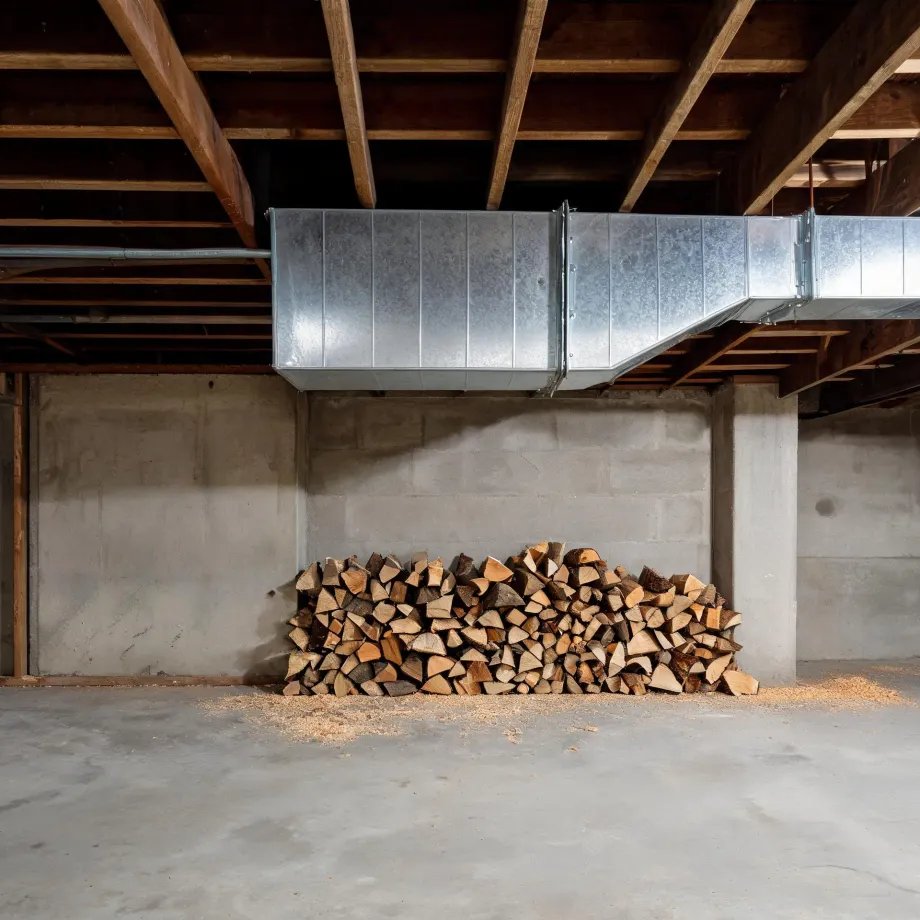
Electrical service panels in a house built for earlier equipment often carry less capacity than a modern water heater draws, and a contractor sizing a new unit has to check what the panel actually holds before anything else gets priced. Half the homes in Weld County, Colorado were built in 2001 or earlier (2020-2024 ACS 5-year). That puts the panel, and the circuit feeding the water heater's location, at the front of the job. A unit that runs on a service sized for a lighter load either trips breakers or needs an upgrade to the wiring before it runs at all.
What a Water Heater Installation Covers
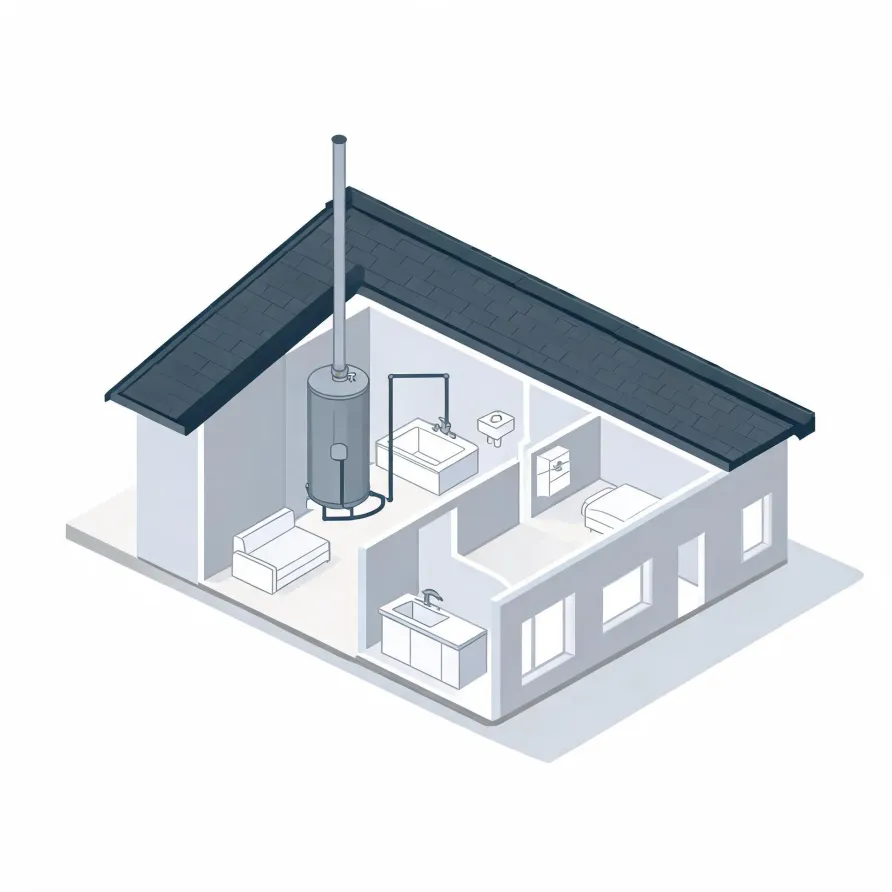
The tank or tankless unit is the heart of the system. A storage tank sits in a utility room, basement, or garage and holds a ready supply of hot water. A tankless unit mounts on a wall and heats water on demand as it passes through.
The cold-water supply line feeds into the unit, and a separate line carries hot water out to every fixture in the house. A pressure relief valve mounts directly on the unit as a safety device, and a drain line routes away from it to handle discharge if the valve opens.
The drawing shows a typical layout, and a licensed contractor determines exactly what the installation requires in your home.
Get matched in Weld CountyWeld County, by the numbers
637 severe weather events were recorded in Weld County, Colorado between 2015 and 2024.
NOAA National Centers for Environmental Information, Storm Events Database, bulk CSV export, events 2015-01-01 through 2024-12-31.Half the homes in Weld County, Colorado were built in 2001 or earlier (2020-2024 ACS 5-year).
U.S. Census Bureau, 2020-2024 American Community Survey 5-Year EstimatesWeld County, Colorado holds 129,637 housing units (2020-2024 ACS 5-year).
U.S. Census Bureau, 2020-2024 American Community Survey 5-Year EstimatesOwners occupy 76.0% of the occupied homes in Weld County, Colorado (2020-2024 ACS 5-year).
U.S. Census Bureau, 2020-2024 American Community Survey 5-Year EstimatesSevere Weather Events in Weld County
Weather in Weld County puts real demands on water heating equipment, pushing systems harder during cold snaps and recovery cycles that mild climates never see. A water heater sized and installed for local conditions handles that load differently than one spec'd to a national average.
637 severe weather events, 2015–2024. Source: NOAA National Centers for Environmental Information, Storm Events Database.