Tell us about the job
Takes about a minute. No obligation.
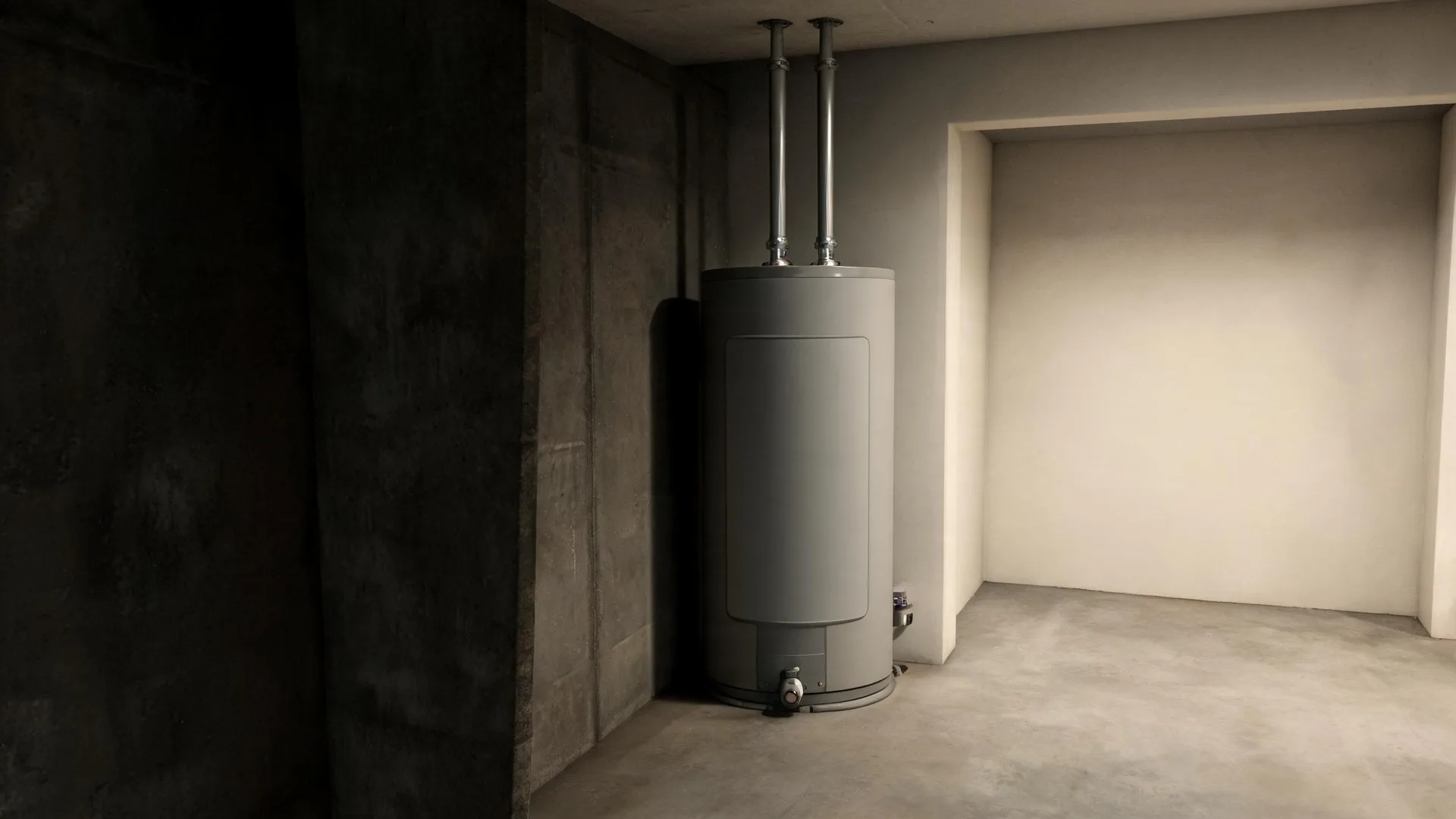
Gas water heater installs in this county start with the flue, not the tank. Utility gas heats more occupied homes in Morgan County, Colorado than any other fuel, at 51.6% (2020-2024 ACS 5-year). That share means most homes here already have a gas venting path, but a contractor checks whether the existing vent is sized for a high-efficiency unit or only for the original atmospheric burner. A power-vent or direct-vent replacement draws combustion air differently, and a vent run built for one style does not automatically serve the other. The contractor prices the work around what the existing infrastructure will and will not carry.
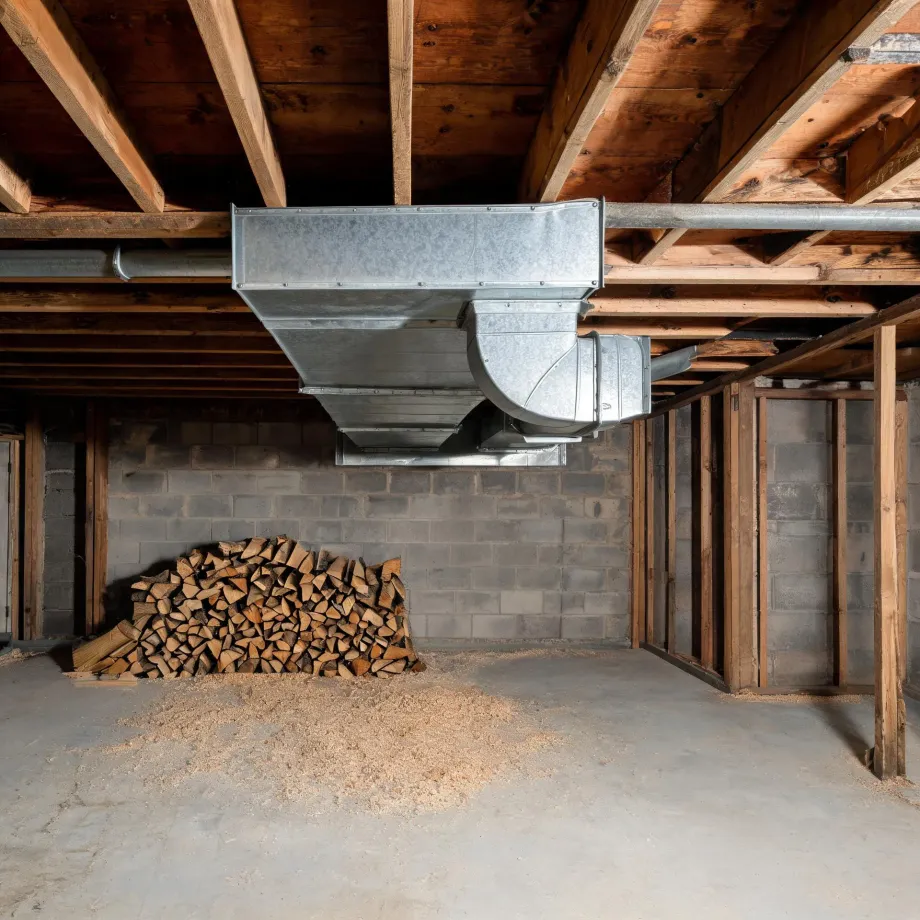
Ductwork laid for one generation of heating equipment does not automatically carry the next. Half the homes in Morgan County, Colorado were built in 1975 or earlier (2020-2024 ACS 5-year). A contractor quoting a water heater installation in this county has to open up what the house already has and measure whether the existing supply runs, venting paths, and electrical service will support a new unit, because those elements were built around whatever came before it. The equipment selection follows that assessment; it does not drive it.
What a Water Heater Installation Covers
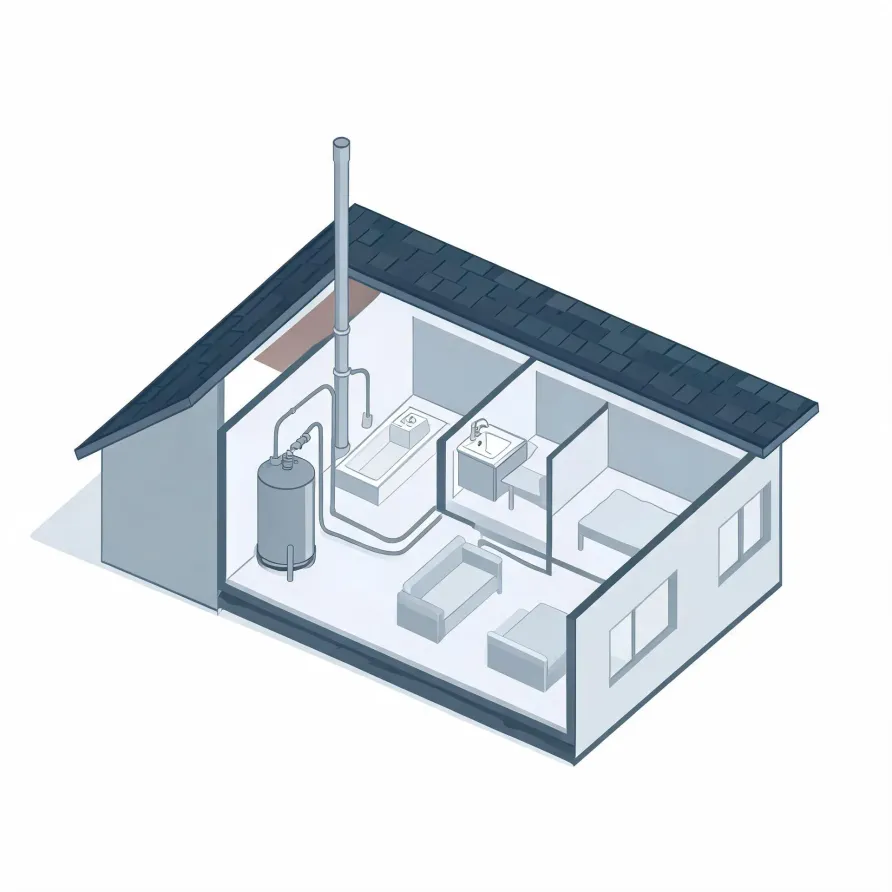
The tank or heating unit itself sits in a utility space, basement, garage, or closet, and it is the piece that stores and heats the water your household draws on. Attached to it are the inlet and outlet connections, which bring cold water in and send hot water out to every fixture in the house.
The pressure relief valve mounts directly on the unit and is a required safety component that releases pressure if it climbs too high. A dedicated supply line runs to the unit, and a drain line or pan sits beneath it to handle any discharge the relief valve or the unit itself needs to route away.
The drawing shows a typical layout, and a licensed contractor determines what the installation requires in your specific home.
Get matched in Morgan CountyMorgan County, by the numbers
193 severe weather events were recorded in Morgan County, Colorado between 2015 and 2024.
NOAA National Centers for Environmental Information, Storm Events Database, bulk CSV export, events 2015-01-01 through 2024-12-31.Half the homes in Morgan County, Colorado were built in 1975 or earlier (2020-2024 ACS 5-year).
U.S. Census Bureau, 2020-2024 American Community Survey 5-Year EstimatesMorgan County, Colorado holds 11,804 housing units (2020-2024 ACS 5-year).
U.S. Census Bureau, 2020-2024 American Community Survey 5-Year EstimatesOwners occupy 67.3% of the occupied homes in Morgan County, Colorado (2020-2024 ACS 5-year).
U.S. Census Bureau, 2020-2024 American Community Survey 5-Year EstimatesWeather Stress on Water Heaters in Morgan County
Extreme weather events put direct pressure on water heating equipment, driving recovery cycles harder and shortening the intervals between failures. A water heater sized and installed for local conditions holds up better than one spec'd without that context.
193 severe weather events, 2015–2024. Source: NOAA National Centers for Environmental Information, Storm Events Database.