Tell us about the job
Takes about a minute. No obligation.
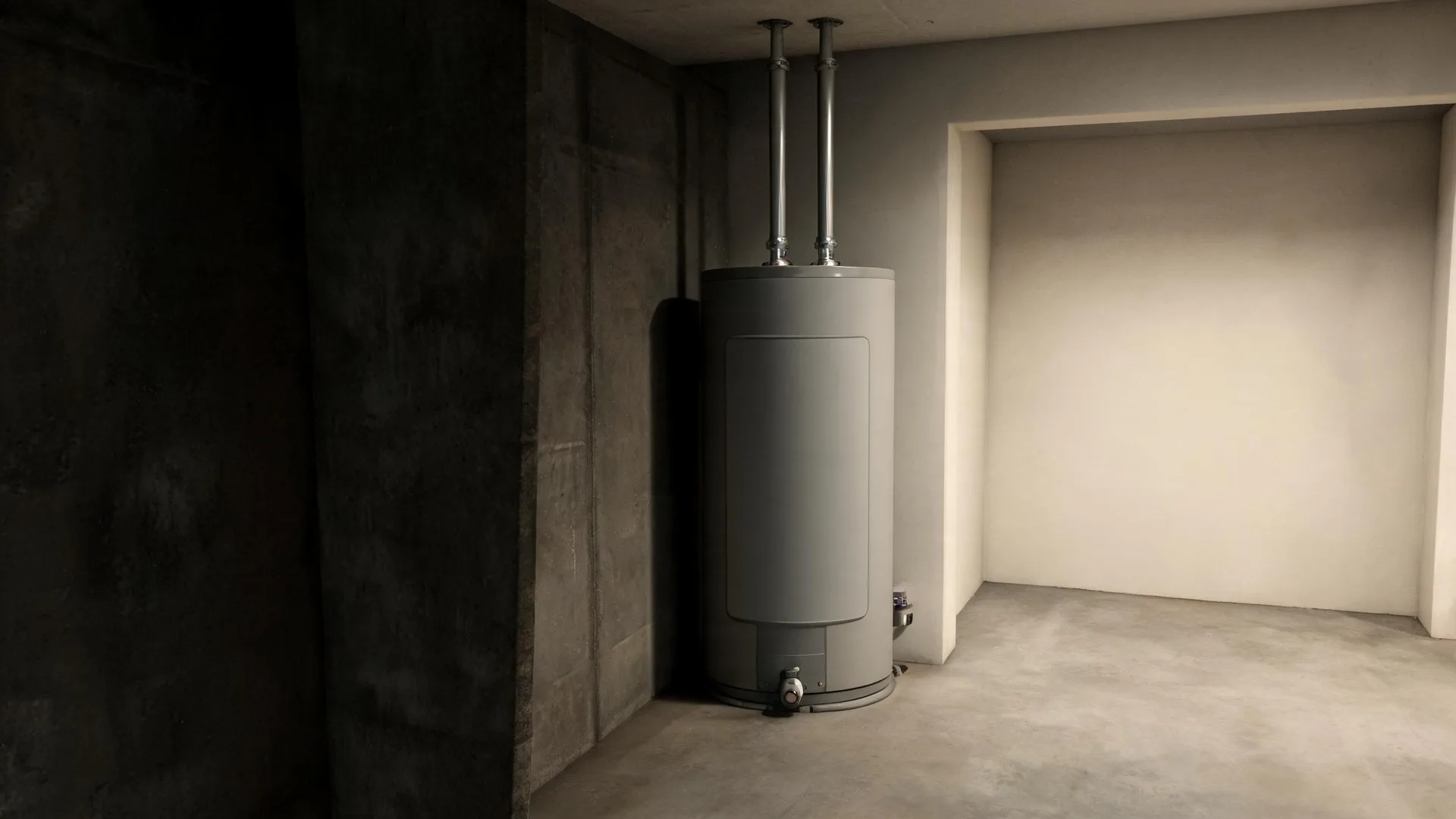
Gas supply lines, flue connections, and combustion air requirements all have to be confirmed before a contractor can specify a replacement unit. Utility gas heats more occupied homes in Lake County, Colorado than any other fuel, at 55.1% (2020-2024 ACS 5-year). That share means the local contractor pool works with gas venting daily, and a licensed installer will size the flue, check for backdrafting, and verify that the new unit meets Colorado's current efficiency code for gas appliances. Skipping that review leaves a homeowner with a water heater that vents poorly or fails inspection.
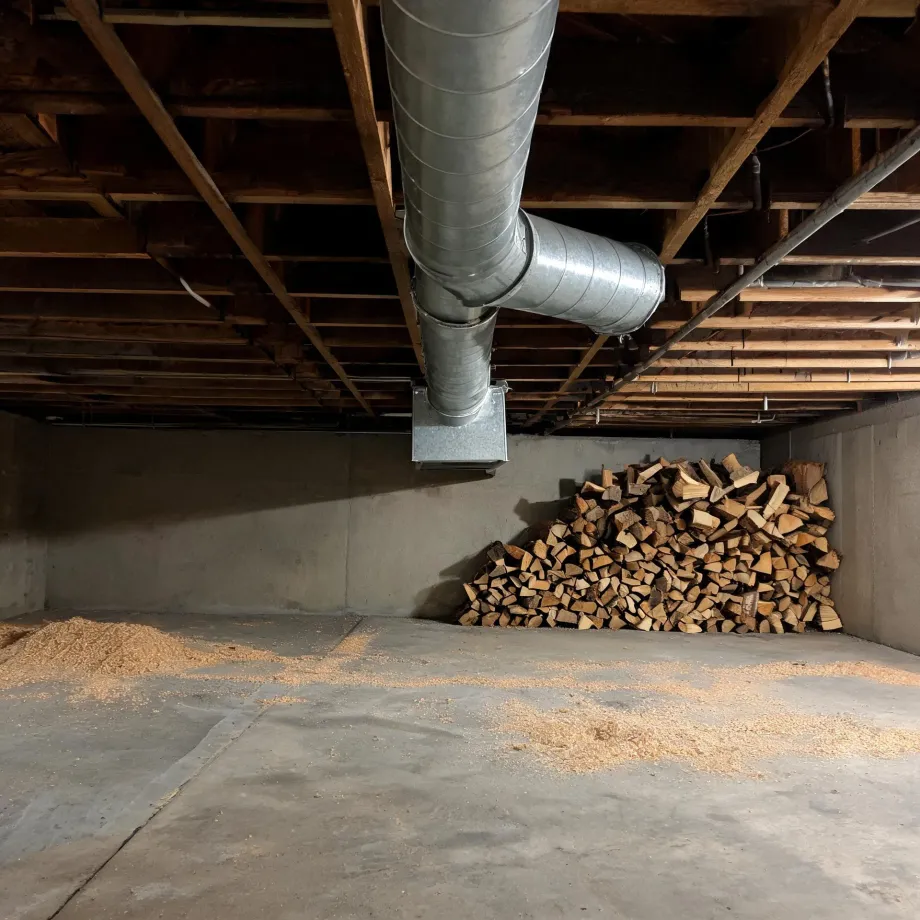
The ductwork and electrical service in a Lake County house were put in for equipment that may look nothing like what a contractor is installing today. Half the homes in Lake County, Colorado were built in 1972 or earlier (2020-2024 ACS 5-year). That gap between what the house was built around and what a new water heater requires is where most of the real assessment happens. A contractor working through an install here prices the new unit last, after confirming whether the existing infrastructure will carry it without modification.
What a Water Heater Installation Covers
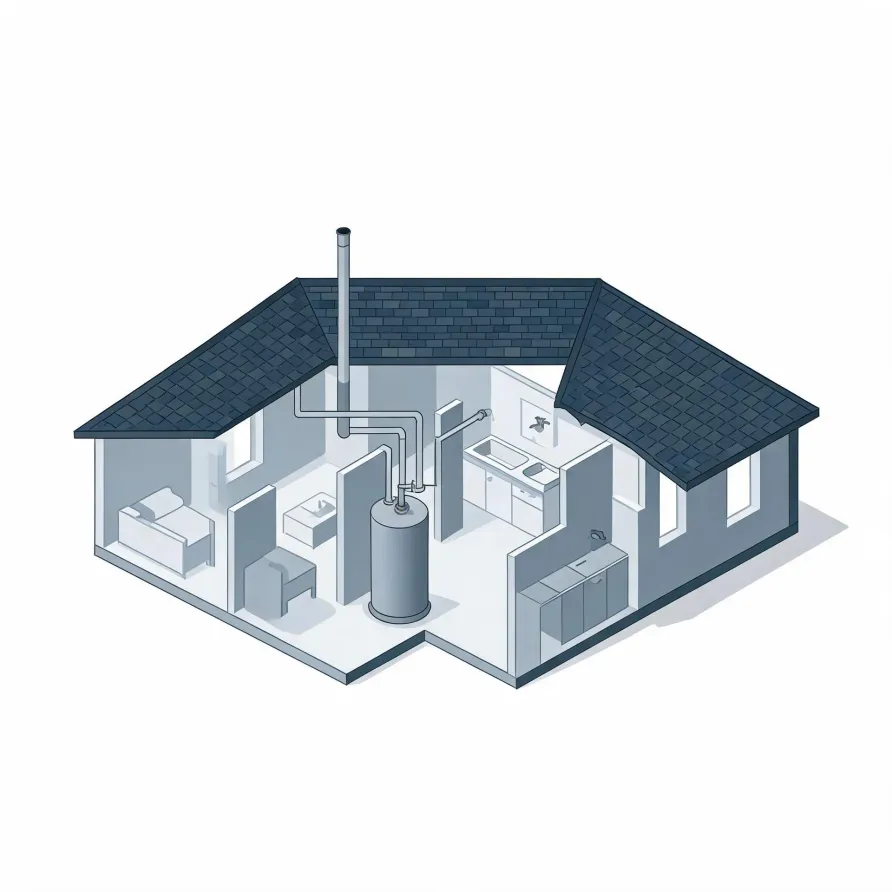
The tank is the piece most homeowners recognize: a cylindrical vessel that sits in a utility closet, basement, or garage and holds a reservoir of heated water ready for use. Attached to the top are the hot and cold water supply lines, which carry water in from the house supply and send hot water out to every fixture.
The pressure relief valve mounts to the side of the tank and opens automatically if internal pressure climbs past a safe point. A drain valve sits near the base. The flue or venting pipe runs from the top of a gas unit up and out of the house, carrying combustion gases away, while an electric unit connects instead to a dedicated circuit at the breaker panel.
The drawing shows a typical layout, and a licensed contractor determines exactly which components apply to your home and how they will be configured.
Get matched in Lake CountyLake County, Colorado, by the numbers
149 severe weather events were recorded in Lake County, Colorado between 2015 and 2024.
NOAA National Centers for Environmental Information, Storm Events Database, bulk CSV export, events 2015-01-01 through 2024-12-31.Half the homes in Lake County, Colorado were built in 1972 or earlier (2020-2024 ACS 5-year).
U.S. Census Bureau, 2020-2024 American Community Survey 5-Year EstimatesLake County, Colorado holds 3,983 housing units (2020-2024 ACS 5-year).
U.S. Census Bureau, 2020-2024 American Community Survey 5-Year EstimatesOwners occupy 75.6% of the occupied homes in Lake County, Colorado (2020-2024 ACS 5-year).
U.S. Census Bureau, 2020-2024 American Community Survey 5-Year EstimatesSevere Weather Events in Lake County
Water heaters work harder when outdoor conditions swing hard, and Lake County's climate puts real demand on equipment sized and installed for local conditions. How often severe weather moves through here shapes what a water heater has to handle over its life.
149 severe weather events, 2015–2024. Source: NOAA National Centers for Environmental Information, Storm Events Database.