Tell us about the job
Takes about a minute. No obligation.
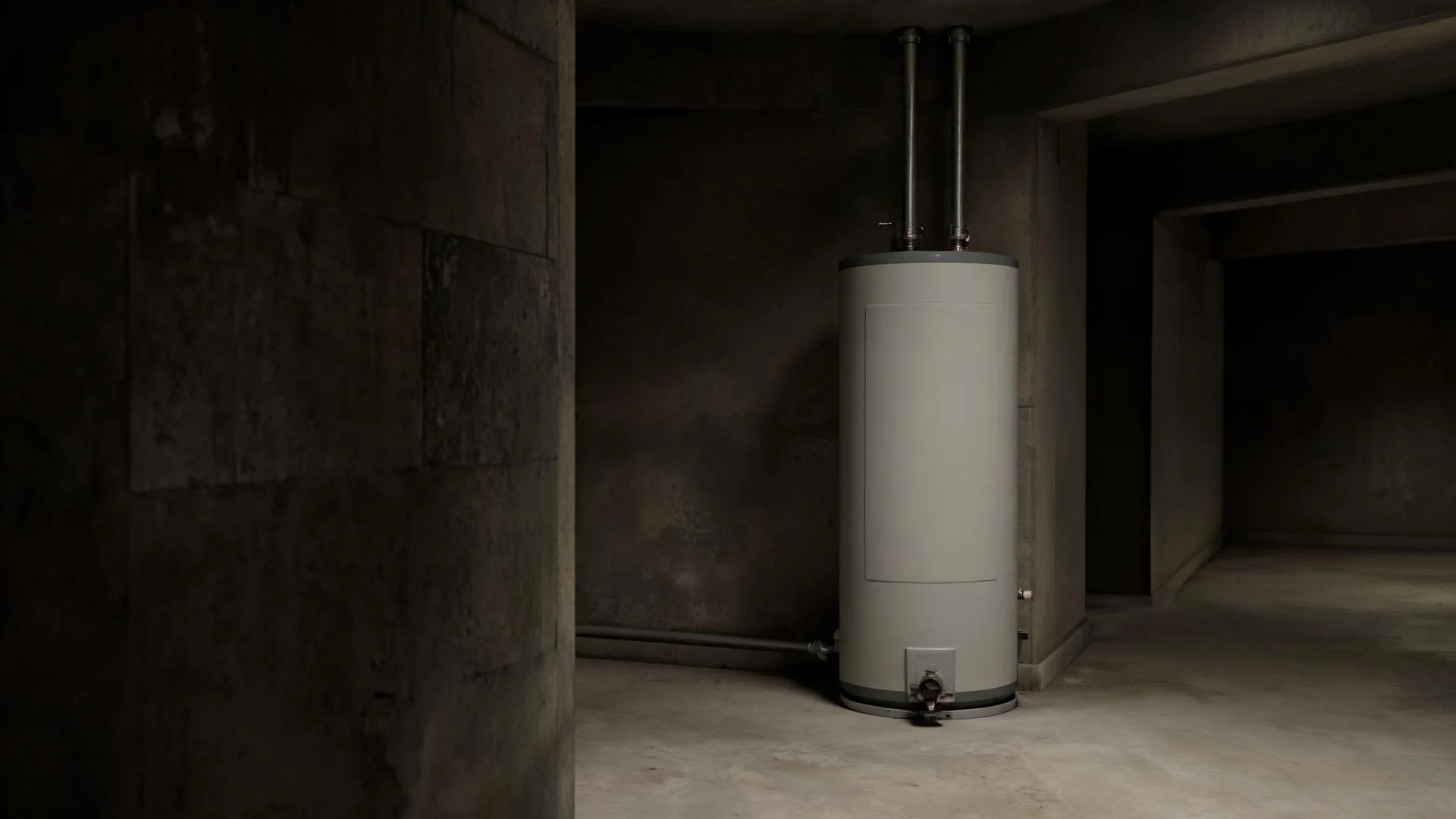
Gas-fired water heaters in this county run year-round, and the burner, heat exchanger, and ignition system never get a long idle period the way seasonal equipment does. Utility gas heats more occupied homes in Summit County, Colorado than any other fuel, at 58.3% (2020-2024 ACS 5-year). That dominance shapes what a replacement involves: the contractor has to verify the existing venting path, confirm that combustion air supply meets code for the new unit's input rating, and check whether the flue is sized for the appliance going in rather than the one coming out. A water heater that is vented or sized wrong for the space fails sooner, and at altitude the air density alone affects burner performance enough that a contractor cannot skip that calculation.
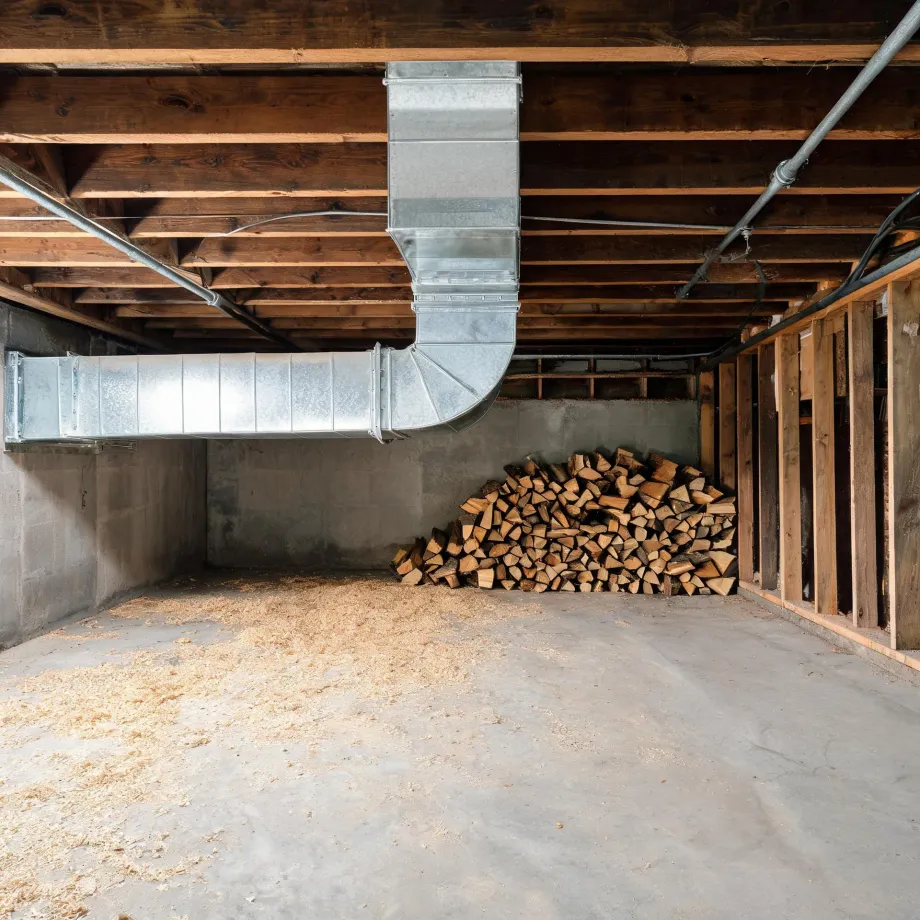
Electrical service is where a water heater installation in Summit County gets decided. Half the homes in Summit County, Colorado were built in 1989 or earlier (2020-2024 ACS 5-year). Panels in houses of that vintage were sized for the loads those houses originally ran, and a heat pump water heater or a high-draw electric tank draws more than what those panels were built to handle. A contractor quoting the job opens the panel before pricing the unit, because the panel dictates whether a new heater can run at all without an upgrade to the service first.
What a Water Heater Installation Puts in Your Home
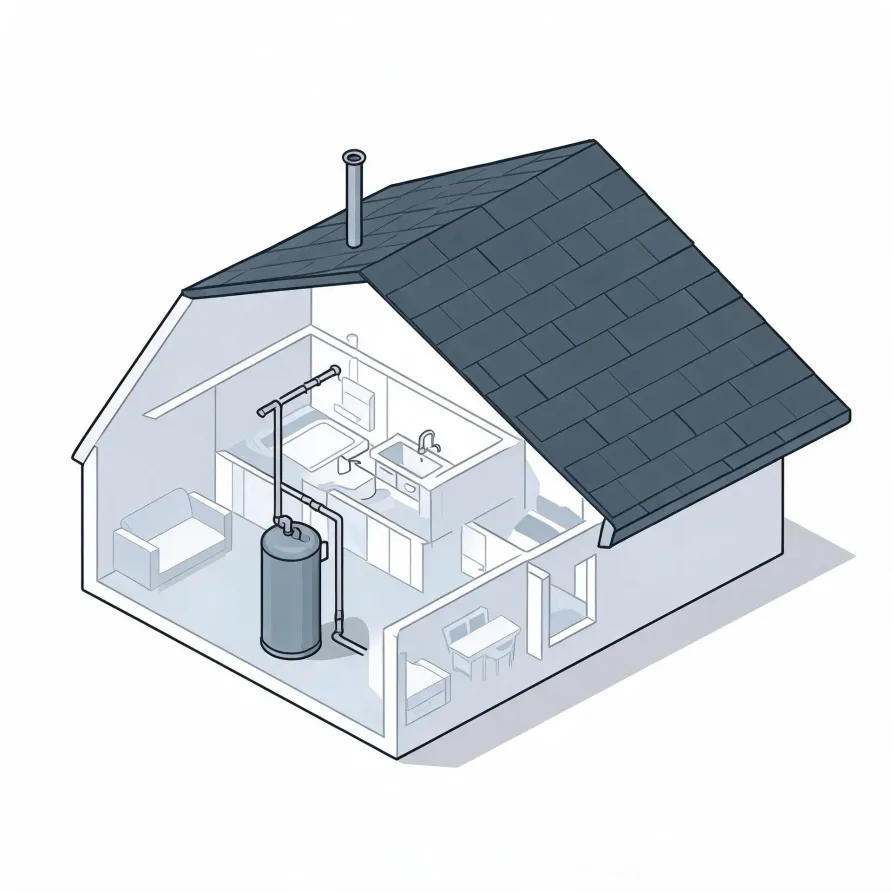
The tank is the piece most homeowners recognize. It sits in a utility room, basement, or garage and holds a supply of water that a gas burner or electric heating element keeps at a set temperature. The pressure relief valve mounts on the tank's side and is a required safety fitting on every unit.
Cold water enters through a dip tube that runs down inside the tank, and hot water exits through a separate outlet at the top. An anode rod hangs inside the tank to slow corrosion of the lining. The drain valve at the base and the flue or exhaust connection above round out what a contractor fits during the job.
The drawing shows a typical layout, and a licensed contractor determines exactly what applies to your home and its existing connections.
Get matched in Summit CountySummit County, by the numbers
89 severe weather events were recorded in Summit County, Colorado between 2015 and 2024.
NOAA National Centers for Environmental Information, Storm Events Database, bulk CSV export, events 2015-01-01 through 2024-12-31.Half the homes in Summit County, Colorado were built in 1989 or earlier (2020-2024 ACS 5-year).
U.S. Census Bureau, 2020-2024 American Community Survey 5-Year EstimatesSummit County, Colorado holds 32,251 housing units (2020-2024 ACS 5-year).
U.S. Census Bureau, 2020-2024 American Community Survey 5-Year EstimatesOwners occupy 72.1% of the occupied homes in Summit County, Colorado (2020-2024 ACS 5-year).
U.S. Census Bureau, 2020-2024 American Community Survey 5-Year EstimatesSevere Weather Events in Summit County
Summit County's climate puts real demand on water heating equipment, and that demand shifts with what the weather does year to year. How hard a unit works is a local fact, and the record below reflects the conditions contractors here account for when sizing and installing equipment.
89 severe weather events, 2015–2024. Source: NOAA National Centers for Environmental Information, Storm Events Database.